The room journal
Restaurant booth costs: price the complete dining setting
A restaurant booth price is only meaningful when the configuration and selling unit are clear. A single booth, a double booth, and a set of two pieces can appear beside one another in a catalog while representing different purchases. Upholstery, dimensions, exposed surfaces, table assemblies, and site work can widen the difference further.
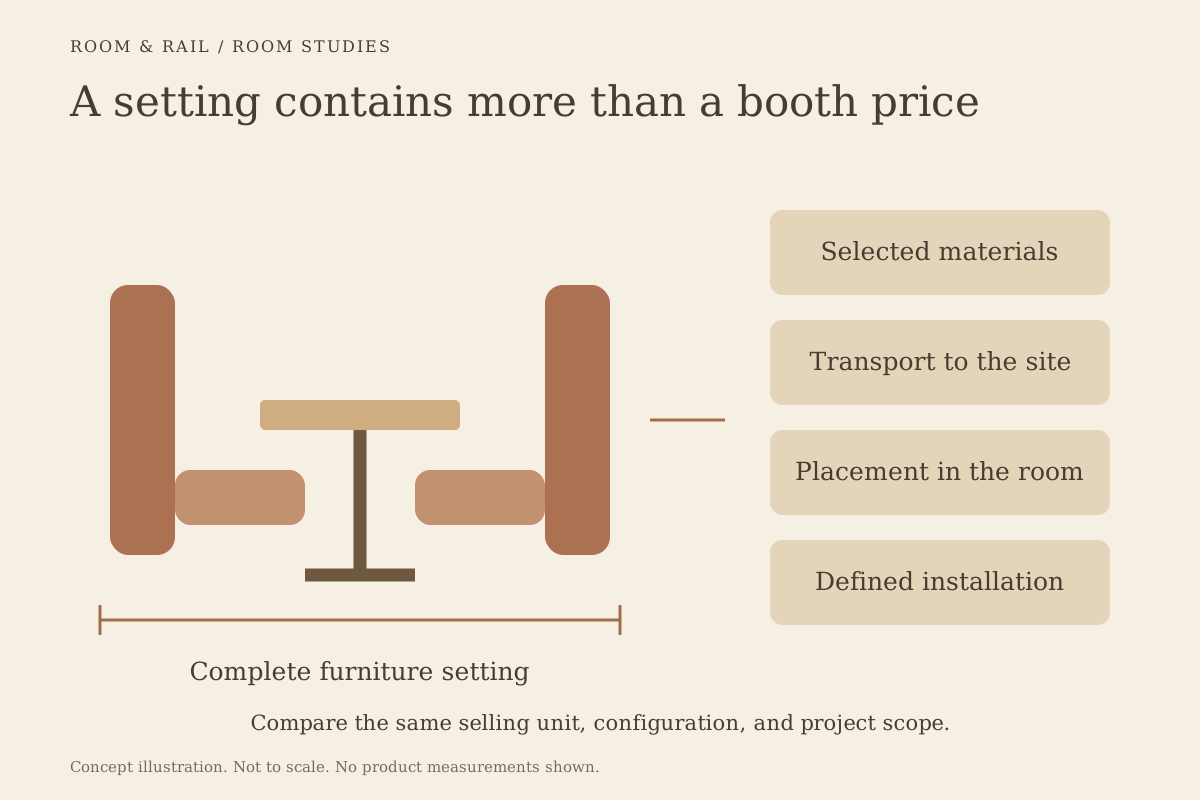
Build the comparison around complete dining settings rather than the smallest displayed number. That makes it easier to see which costs belong to the furniture, which arise from the room, and which remain unresolved until the order details are confirmed. It also prevents a design change from disappearing inside a total.
Open diagram at full size (new tab) ↗
Read the selling unit before multiplying
The set of two single booths FRU-639971-SET is listed as a set of two pieces. Its recorded starting price on October 17, 2026, is $928. That is a set-level example, not a price for each individual booth or a delivered order total.
The plain-back configurable booth FRU-BT-PL has a recorded starting price of $205 on the same date, with selectable shapes, heights, lengths, and upholstery. The starting figure does not describe every configuration and should not be multiplied as though the finished selection has already been priced.
Use the current selected options on the product page when building an order. If the set and configurable alternatives do not have matching dimensions, materials, and scope, their displayed prices are not a like-for-like value comparison.
Count pieces separately from dining settings
One dining setting may contain two facing single booths and a table. A double booth may serve settings on both sides. An end condition or corner can introduce another piece. The furniture count therefore needs to follow the actual room arrangement.
The booth layout comparison helps draw those settings consistently. Number the pieces and tables so that the purchasing list can be traced back to the plan. Avoid estimating the order by dividing a target seat count by an assumed booth capacity.
The measuring guide is useful where lengths or corners vary. A run that looks repetitive may contain different end pieces or dimensions that change the configuration and cost.
Separate upholstery and construction choices
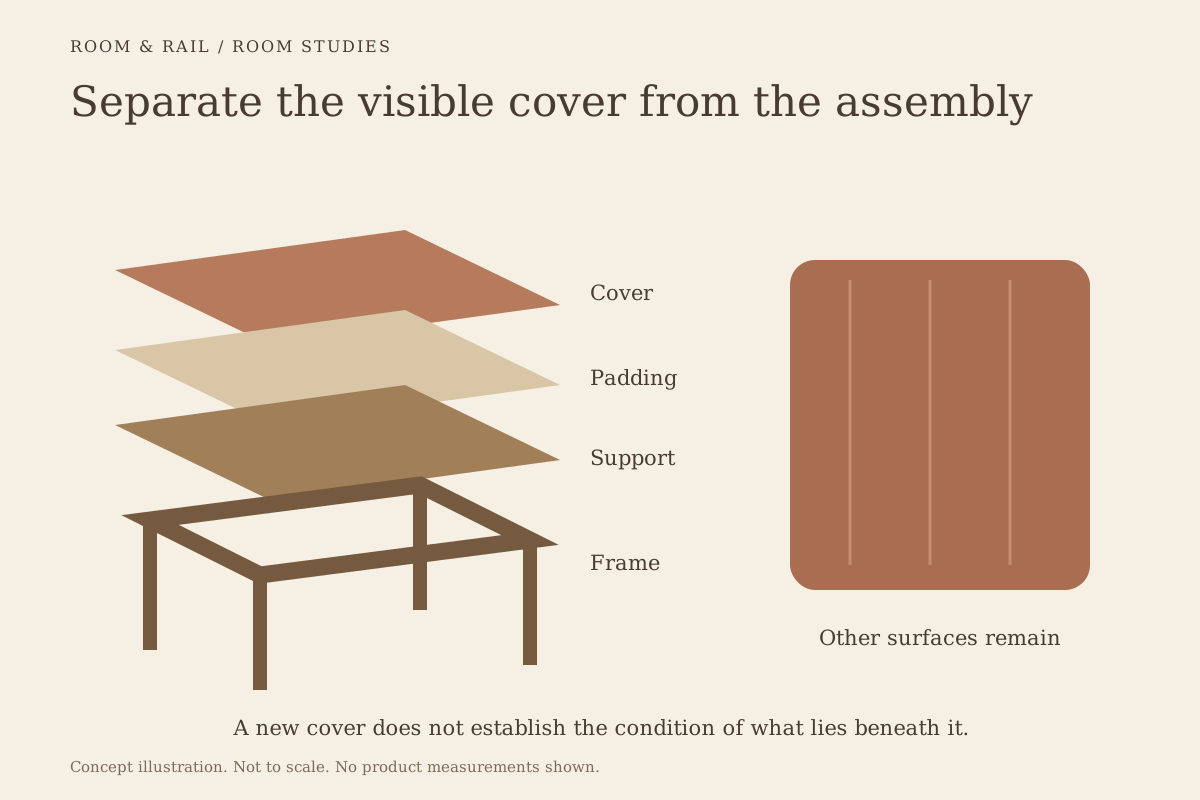
The back, seat, base, and exposed rear may use different materials. A fabric back with a vinyl seat is not the same configuration as one fully upholstered in a single material. Channeling, tufting, wood details, and custom dimensions can also change the work involved.
Compare the upholstery options at the same level of detail. The material reference, color, location, and pattern orientation should be clear enough that the price corresponds to the intended appearance.
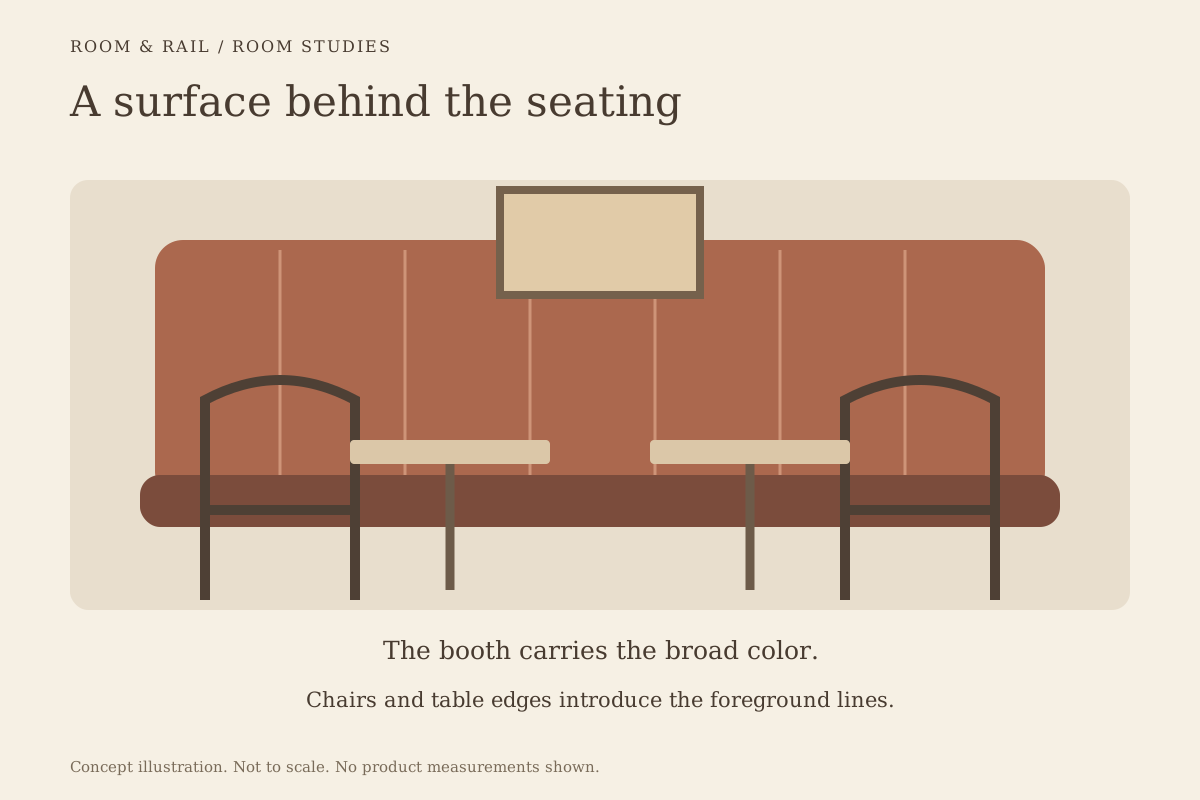
For a freestanding booth, include the rear and exposed ends. A wall-backed product may not include the finish treatment needed when the same surface faces another dining zone.
Include the table assembly that completes the booth
The booth does not provide the dining surface or support unless the selected product explicitly includes them. Add the top, base, and any required approved assembly work to the comparison. A change in table shape can affect both price and fit.
The booth-and-table guide explains why these choices cannot be postponed until after the booth is selected. The table edge, underside, and support determine how the guest reaches the meal and enters the setting.
Do not choose the cheapest support solely to close a budget gap. It must be compatible with the selected top and provide a workable occupied arrangement. A low furniture subtotal is less persuasive if it leaves the complete setting unresolved.
Distinguish freight from placement and installation
Transport to the site is different from moving furniture through the building and placing it in the room. Doorways, corridor turns, stairs, elevators, delivery restrictions, and available unloading space can affect the services required.
Use the actual supplied and packaged dimensions when they are available. A booth that fits the final location may still need a specific delivery or assembly plan. The delivery information is a starting point for the order discussion; the site's requirements need to be confirmed for the actual purchase.
Installation may include positioning, approved attachment, joining components, or coordination with other trades. Keep that scope separate from general placement so that the comparison does not assume work that has not been included.
Use a transparent example to expose missing scope
Consider a hypothetical project with four complete booth settings priced at $1,600 each. The furniture subtotal would be $6,400. If transport were $600 and a defined placement service were $400, the described total would be $7,400 before any other applicable charges.
Those figures are only arithmetic examples. They are not current prices, delivery rates, or a budget recommendation. Their purpose is to show that the per-setting furniture figure and the project total answer different questions.
If upholstery changes add $120 to each setting, the furniture subtotal rises by $480. Whether other costs also change depends on the actual scope. Keep changes attached to the affected line rather than adding an unexplained allowance to the bottom of the order.
Include the existing furniture when the room is being refreshed
A replacement project may require removal, storage, disposal, or repair of retained items. The restaurant may also need a phased changeover so that completed settings remain usable while another area is worked on. Those tasks belong in the project discussion.
The booth repair article helps compare a defined refurbishment scope with new furniture. Retaining a frame can be useful, but only if its condition and fit justify the work. A new upholstery price alone cannot answer that question.
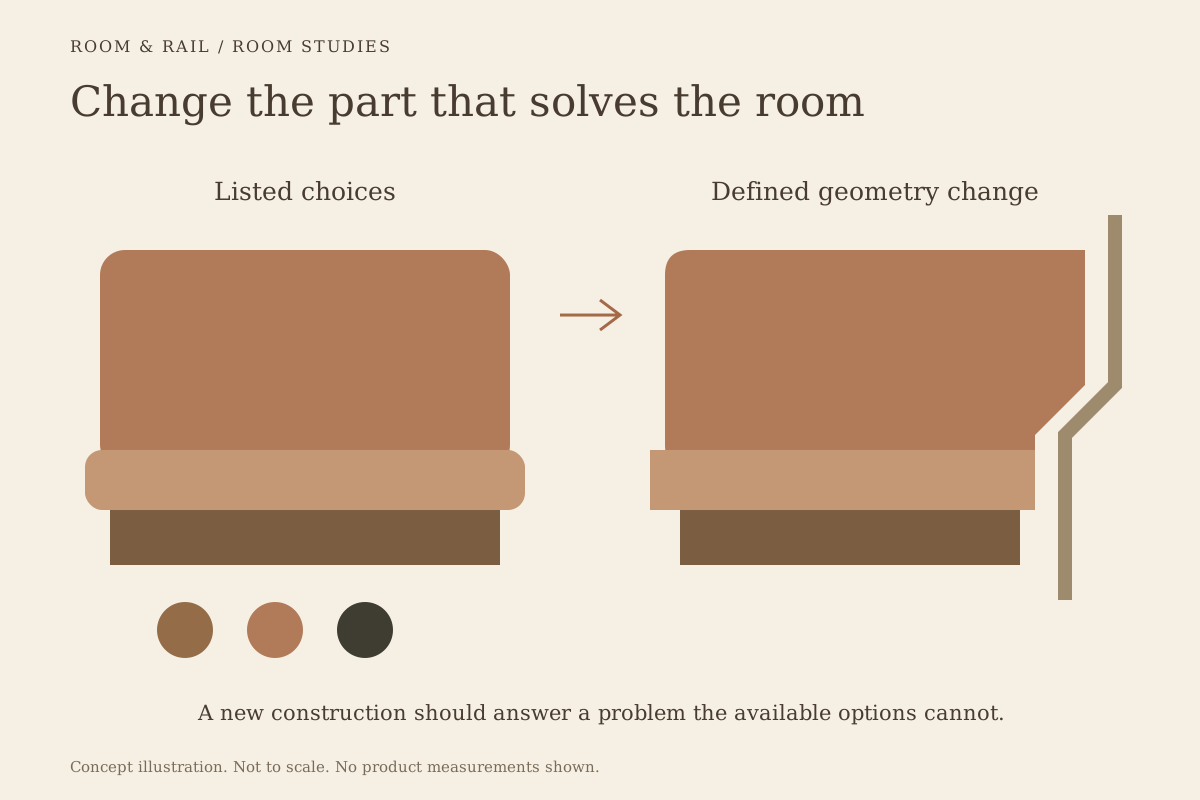
For custom work, the standard-versus-custom comparison helps identify what the extra construction is meant to achieve. That purpose should remain visible when budget decisions require changes.
Keep the total attached to the design
Save the selected pieces, quantities, room groups, and current prices on the finish board. Review the displayed product configuration and the confirmed order scope together before committing. The ordering guide explains the site's email-based order process without online payment.
The strongest booth budget describes a complete, usable setting and the work needed to place it in the room. With selling units, configuration, tables, and site services separated, you can change the design deliberately and understand what the revised total actually buys.