The room journal
Restaurant booth upholstery: connect the swatch to the finished seat
Booth upholstery is both a large visual surface and a material that guests touch throughout a meal. It meets clothing, bags, food, cleaning products, and repeated movement. Choosing it well means separating the appearance of a swatch from the construction, care, and repair questions of the finished booth.
Fabric and vinyl are broad descriptions, not complete specifications. Two materials in the same category can differ in texture, backing, coating, pattern, and approved cleaning. Begin with the exact option and the part of the booth where it will be used, then compare the evidence that matters to that location.
Open diagram at full size (new tab) ↗
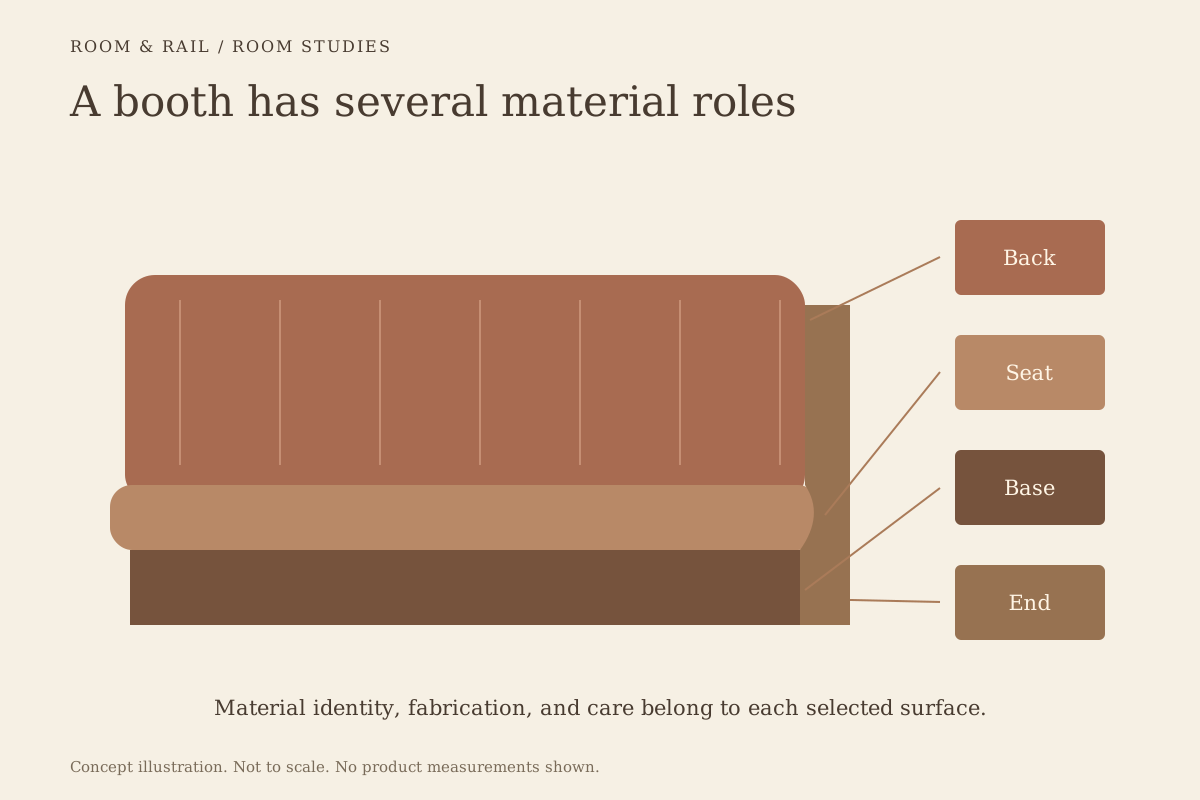
The seat and back do different work
The seat receives concentrated contact as people sit and slide into position. The back presents a larger visible field and may carry the main color or pattern. The base and exposed ends can meet shoes, bags, and cleaning equipment. Using one material everywhere may simplify the palette, but it does not erase those different roles.
The plain-back booth FRU-BT-PL lists fabric or vinyl back upholstery, while its seat option is padded vinyl. That is a specific configuration structure, not a promise that every visible surface can be covered in the same material.
The DH wood booth offers wood, semi-padded, and fully padded back choices. Its different combinations change how much upholstery appears in the room. Compare the actual option set before building a palette around an unavailable combination.
Compare texture at the scale of the booth
A fine weave can appear almost solid on a small swatch but read differently across a long back. A pronounced embossing may catch light along channels or curves. Pattern direction can make vertical seams more visible or give a horizontal run a stronger rhythm.
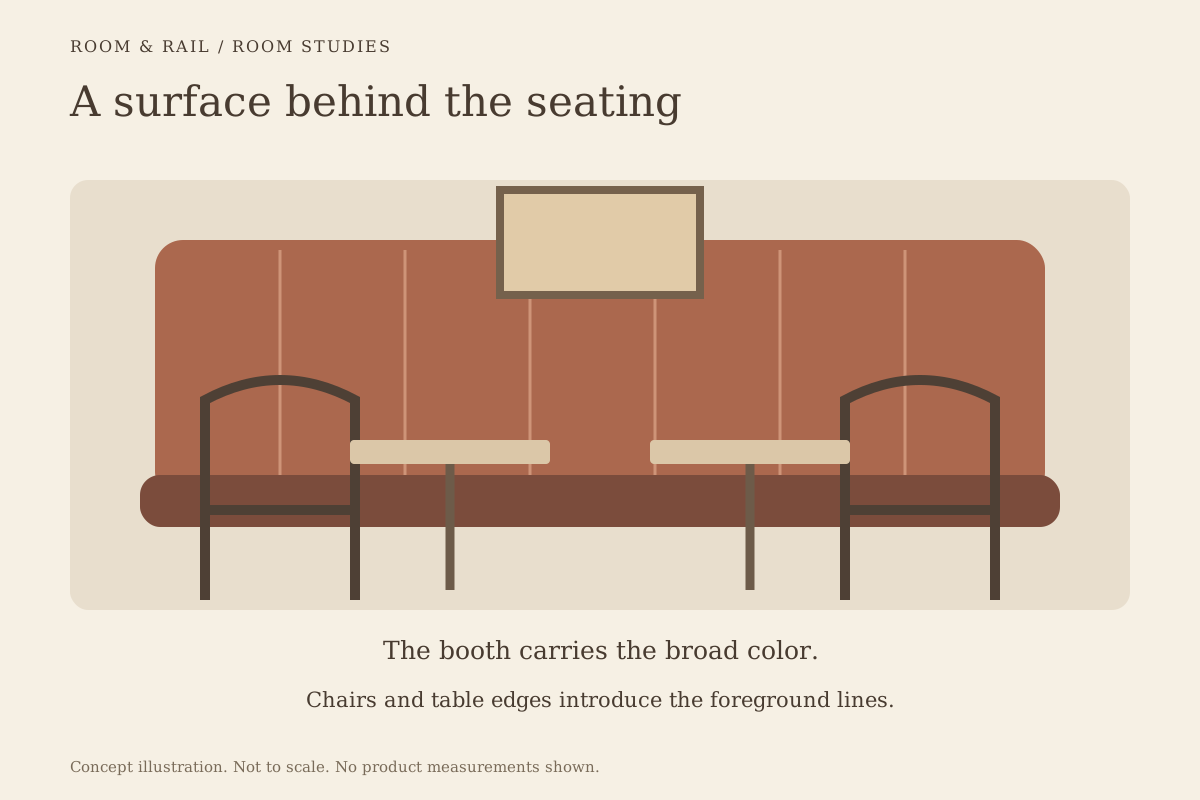
Put the material beside the selected tabletop and chairs. A busy tabletop, strong chair back, and patterned booth can each be attractive yet compete when repeated together. Decide which surface should carry the visual detail.
The booth-back article treats upholstery as part of the room composition. Review the material from the entrance and from the table, because the distance changes how much pattern and texture a person can see.
Read abrasion evidence within its limits
An abrasion result describes a specific material tested by a specific method. It does not measure every mechanism of damage that a restaurant booth may encounter. Seam behavior, coating adhesion, chemical exposure, and the upholstery construction are separate concerns.
Use the exact material's technical information rather than transferring a result from another color family or a similar-looking fabric. When two candidates have different test methods, do not turn the numbers into a single service-life ranking.
The upholstered-chair material guide explains the distinction between documented material properties and broad category assumptions. A booth also needs consideration of its larger upholstered panels and how those panels are fabricated.
Distinguish coated materials before discussing failure
Polyurethane and vinyl are not interchangeable names. ACT's hydrolysis guidance concerns polyurethane-coated fabrics and explains that heat and humidity can contribute to deterioration of that coating. It also notes that chemical damage can resemble hydrolysis, so visible flaking alone does not identify the cause.
That distinction is useful when reading supplier documents or evaluating an existing booth. It is not a diagnosis of any catalog upholstery option. The actual material identity and its history are needed before assigning a failure mechanism or selecting a replacement.
If a product is described only as vinyl upholstery, do not add a polyurethane test claim to make the specification sound more detailed. A precise unknown is preferable to evidence about the wrong material.
Match the care method to the selected material
Get the approved cleaning guidance for the exact upholstery before ordering. The site's routine may use a product that is suitable for one surface and unsuitable for another. Compatibility should cover the actual cleaner, concentration, application, and any rinse requirement stated by the material supplier.
Morbern's product resources, for example, separate care documents for different coated-fabric collections. This illustrates why a general instruction for all vinyl is too broad. It does not establish that a particular Morbern material is used on the booth you selected.
For the room comparison, perform only the approved routine on a representative sample and examine it once dry. The sample-review method provides a useful distinction between an ordinary use observation and a formal performance test.
Look closely at seams, channels, and contact edges
The upholstery pattern changes where seams and folds appear. A smooth back presents a different surface from channels or button tufting. The material may also stretch or align differently around a curved corner than across a flat panel.
Ask to see the proposed material on a representative finished detail if the pattern or texture is central to the design. A large stripe that looks balanced on a flat sample may meet a seam awkwardly. A small pattern may disappear at the viewing distance that matters most.
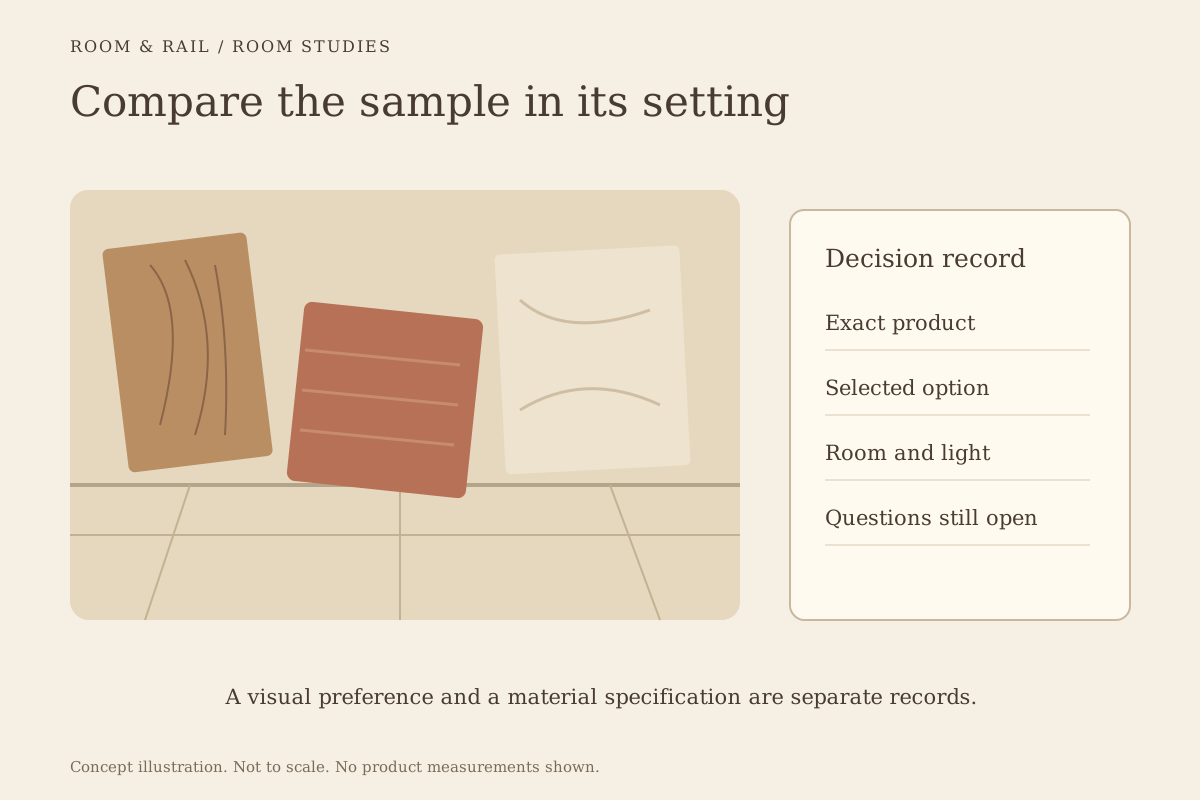
The finish-sample article helps keep the exact reference attached to the product. Include orientation and the part being upholstered, so a back selection is not mistaken for a seat or base selection.
Plan how a worn section would be addressed
Repairability depends on the construction, not merely on whether the surface is fabric or vinyl. Determine whether seat panels can be removed, whether a back is upholstered as one continuous field, and whether approved replacement components are available for the selected booth.
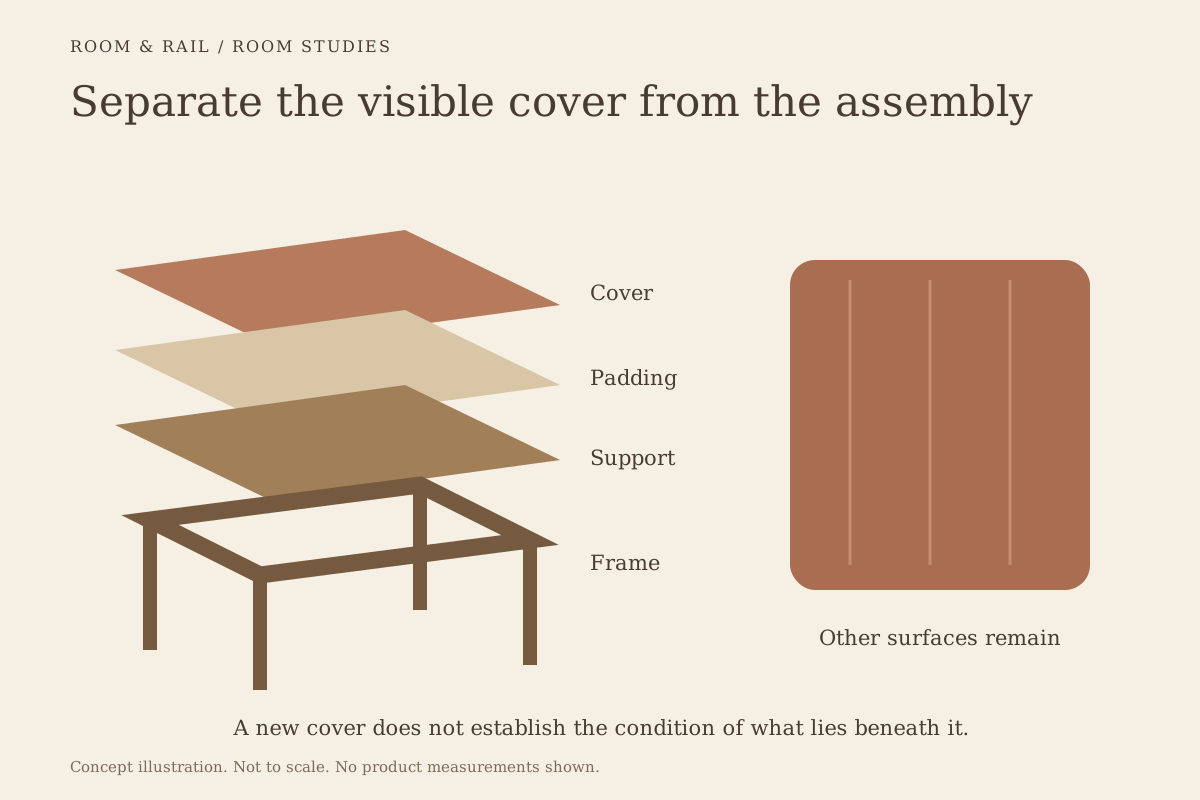
The booth repair guide separates surface work from frame and support concerns. A new cover cannot correct a damaged structure, and replacing only one panel may create a visible difference beside aged material.
Keep enough information to identify the selected upholstery later, including the material code and approved color. This is especially useful where a freestanding booth exposes both faces and its replacement surface must relate to several room zones.
Give the material a clear role
The right booth upholstery supports the room's palette and the restaurant's actual care routine. It has a defined location, an identifiable material, and a construction that can be understood beyond the swatch. Its evidence answers the questions that matter without promising a service life the documentation cannot establish.
Build that choice into the finish board with the booth shape, back treatment, seat, and neighboring furniture. When appearance and material identity remain connected, later purchasing and repair decisions can preserve the original design with fewer assumptions.