The room journal
Evaluate a restaurant tabletop sample through the service you run
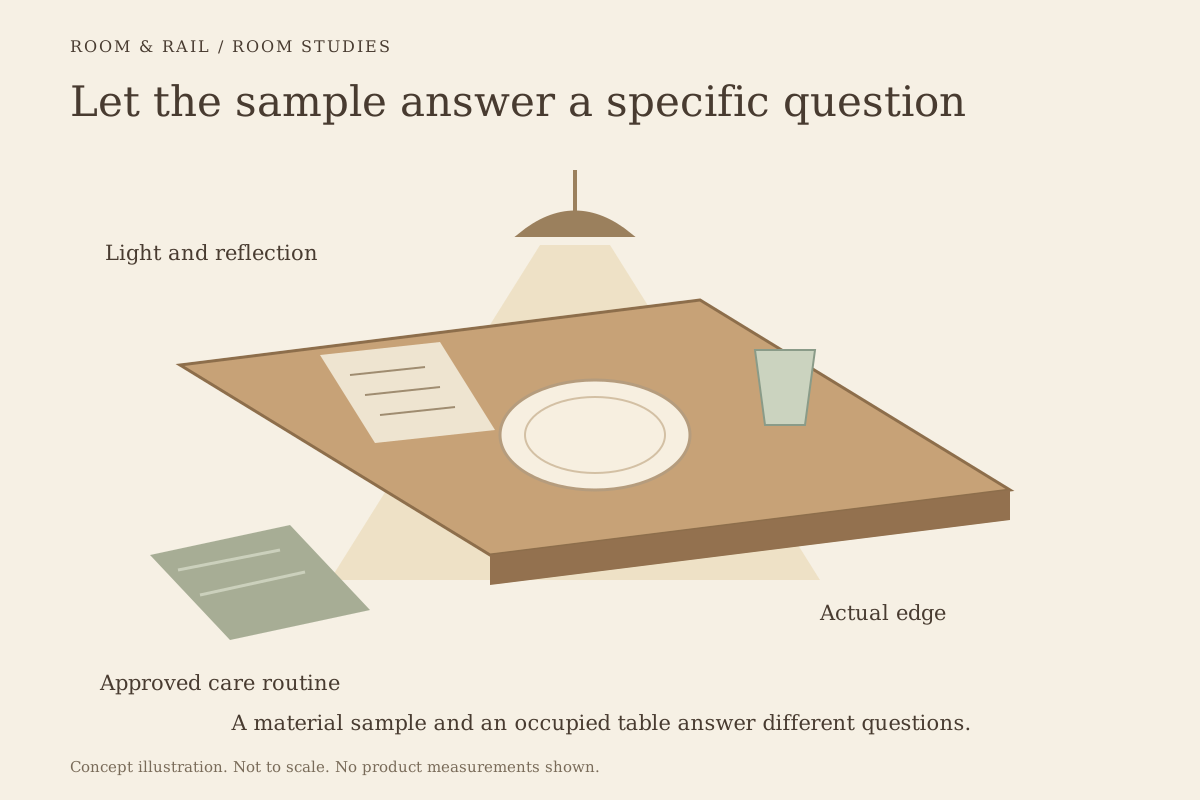
A tabletop sample can answer more than whether a color looks attractive beside a chair. It can reveal how a menu reads on the surface, how the edge feels against a forearm, and whether the approved cleaning routine leaves the appearance you expected. Those are useful buying questions because guests and staff encounter the table in different ways.
The sample needs a defined job, though. A small swatch cannot demonstrate the stability of a complete table or predict years of restaurant use. Build an evaluation around the decisions that the sample can support, then use a full assembly for the questions that depend on size, support, or seating position.
Open diagram at full size (new tab) ↗
Start with the service, not an invented punishment test
Choose the objects that belong to the actual menu. A breakfast setting might include a mug, pastry plate, water glass, menu, and condiment holder. A dinner setting might replace those with larger plates, stemware, and shared dishes. Their footprints and visual density can change the preferred surface more than a close-up photograph suggests.
Place the objects on the sample without deliberately damaging it. Review contrast, glare, texture, and the way a glass or plate rests. If the sample is too small to support the setting, use a full-size mockup for space and keep the sample nearby for material comparison.
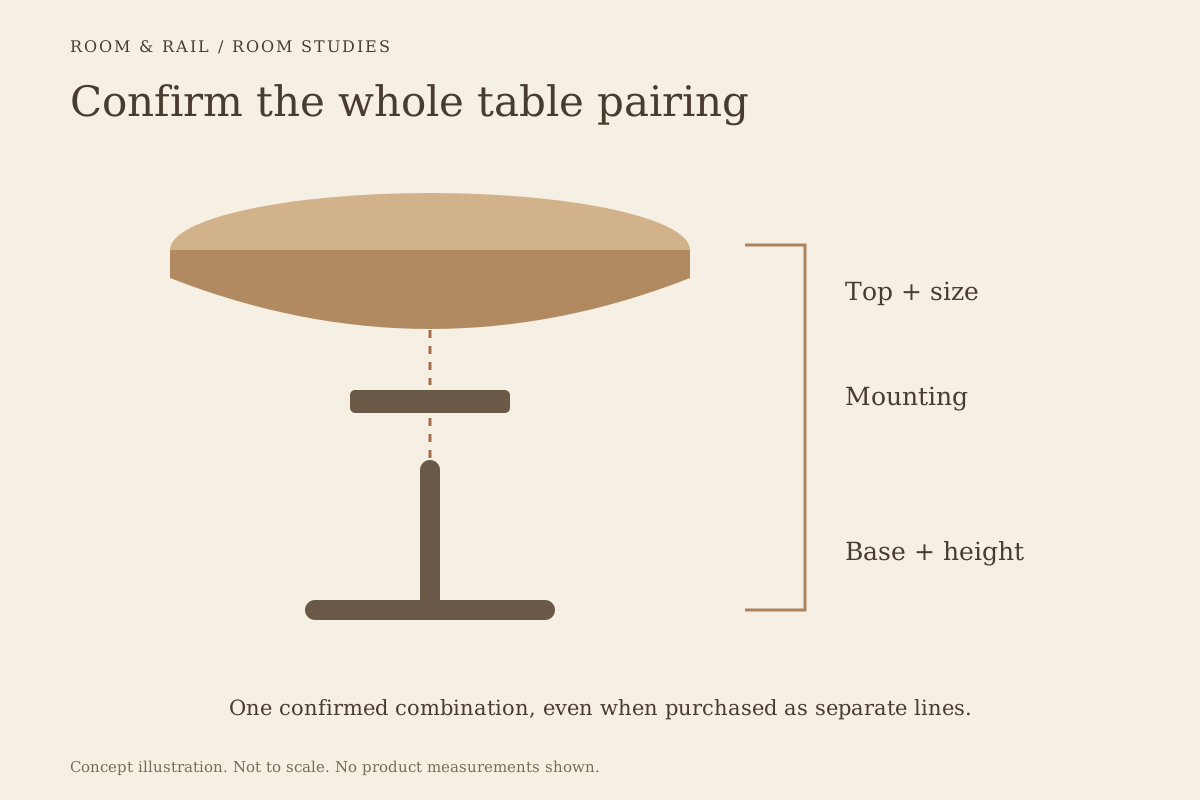
Our complete table selection guide separates the surface from its support. Use that distinction here: appearance and touch belong to the finish sample, while stability and occupied fit belong to the assembled table.
Obtain the edge as well as the face
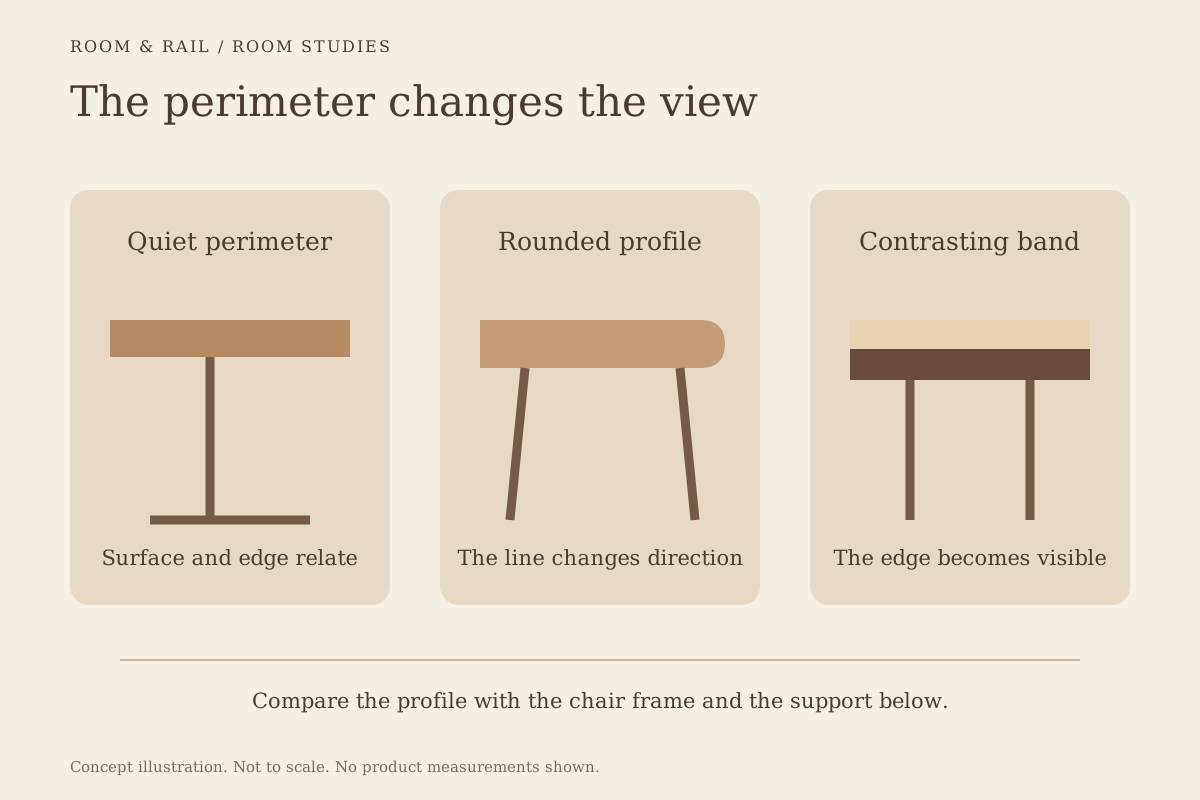
A flat color chip does not show the perimeter. Ask for a representative section or sample that includes the actual edge profile, band, or exposed wood. A rounded profile, contrasting band, and square edge can look similar from above yet produce different views across the room.
The aluminum-edge laminate top is listed at 1 1/4 inches thick, while the solid wood butcher-block top is listed at 1 1/2 inches. Those exact records identify different assemblies. They do not establish a strength ranking or reveal the tactile quality of either finished edge.
Set the section at the intended dining height, with the chair beside it. Look along the edge rather than only down at the top. The table-edge study explains how this repeated horizontal line can become a strong part of the interior.
Compare the sample under the room's actual light
Use daylight and the evening lighting scene if both are part of service. Turn the sample through the orientations the tables will occupy. A surface that looks quiet in one direction may show a brighter reflection when a guest faces the window.
Keep neighboring materials in the comparison. A warm wood sample can appear different beside a pale upholstered seat than beside a dark metal frame. Include the floor, booth material, and dinnerware, rather than deciding from two isolated table chips held in the air.
The finish-sample guide helps keep the selected product and finish attached to each comparison. Photographing the arrangement can help discussion, but the photograph should not replace the physical sample as the final color reference.
Make cleaning compatibility a separate question
Get the care instructions for the exact selected surface before evaluating cleaning. Use only the identified routine and approved materials. An unapproved solvent or abrasive challenge may damage a sample while telling you very little about the table's suitability for ordinary service.
For a practical comparison, examine the surface before and after a normal approved clean, once dry. Look for visible residue, uneven sheen, a lingering film, or material caught near the edge. These are observations to discuss with the supplier, not proof that a whole material category performs poorly.
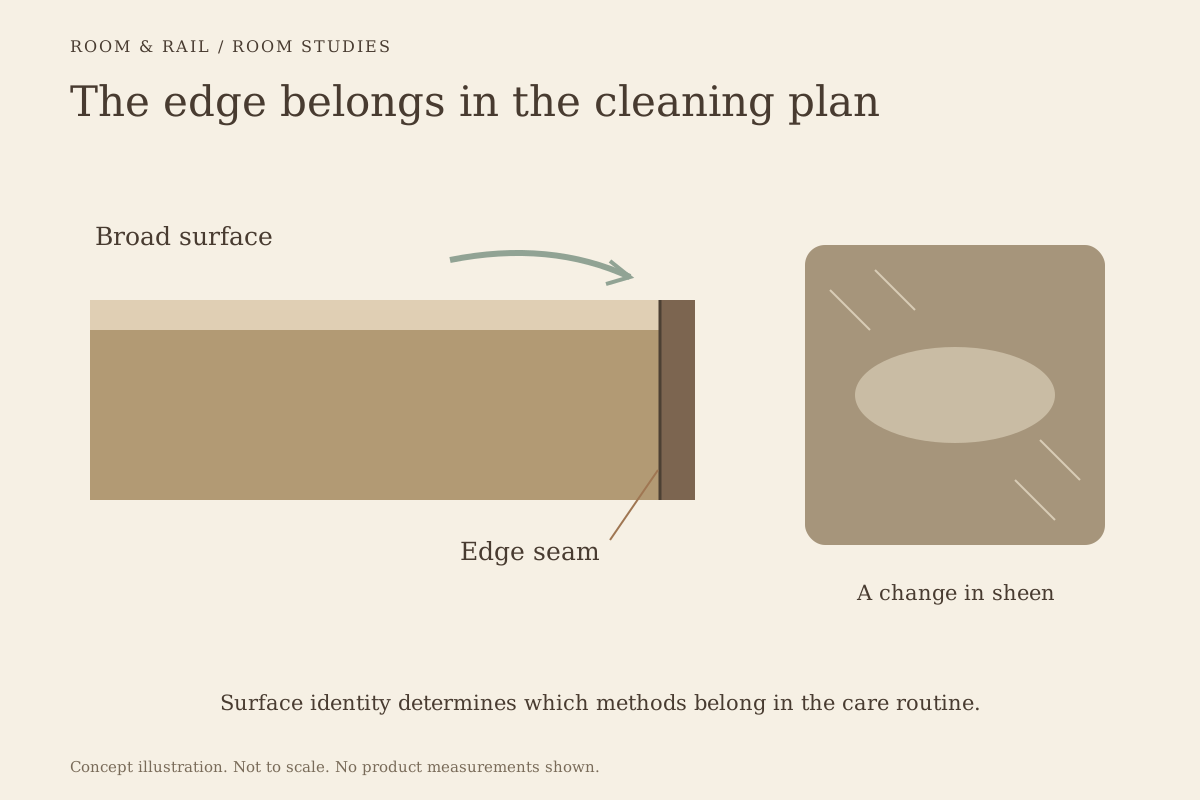
The tabletop cleaning article explains why seams, edges, and surface identity matter. Keep cleaning effectiveness distinct from chemical compatibility: removing a mark does not by itself show that repeated use of that cleaner is suitable.
Do not turn a sample trial into a lifespan forecast
An afternoon of use cannot reproduce seasons of humidity, thousands of table resets, or the behavior of a full wood panel. A sample that looks unchanged after one meal has passed that limited observation. It has not earned a numerical durability rating.
Likewise, a scratch made with an inappropriate tool is not a standardized abrasion result. If a purchase depends on a specific performance claim, request the corresponding manufacturer documentation, including the tested material and method. Keep that evidence separate from your room comparison.
For solid wood movement, the relevant questions include panel construction, mounting, finish, and the environment. A small sample is useful for grain and color, but its dimensions cannot represent the behavior of every full-size top.
Put the complete setting through an ordinary service sequence
Once the surface shortlist is short, assemble one actual table with its proposed base and chairs. Have people sit, place the expected meal, move their chairs, and leave the setting. Include someone approaching from the room's tighter side.
Then perform a normal reset. Watch the space needed to reach the table, wipe the perimeter, move the chairs, and clean beneath the base. A beautiful surface may still be paired with a support that complicates the work around it.
If tables will join for groups, review both arrangements. The flexible-table guide shows why two tops with the right combined area may still introduce an awkward seam or conflicting supports.
Decide which difference would change the purchase
Agree on a few meaningful questions before comparing samples. Does the menu remain easy to read? Does the table edge compete with the chair frame? Can the documented cleaning routine be carried out within the normal reset process? Does the selected finish work beside the booth in evening light?
Avoid a scoring sheet with many vague categories. A low score for feel is less useful than a precise observation about a sharp-looking edge, a pronounced texture, or a glossy reflection in one seat position. Specific observations lead to specific alternatives.
Use the finish board to keep the preferred surface with its actual furniture line. If one sample is accepted for the dining room and another for a private room, retain that distinction rather than collapsing both into a general approved color.
Let the sample resolve a real decision
A useful sample review finishes with a clear choice, a defined change, or a question that still needs a full-size assembly or manufacturer answer. It does not need to invent a laboratory result. The value is in exposing the details that a product image leaves out before those details repeat across the room.
Keep the accepted sample available through the purchasing review and compare the selected configuration against it. When the material, edge, chair, lighting, and service routine have been considered together, the tabletop choice has a stronger basis than appearance alone.