The room journal
Upholstered restaurant chairs: choose the material for actual food service
Upholstered restaurant chairs need a material decision that reflects how the seating will be used and cared for. Color and texture belong in that decision, but they do not identify the cleaning instructions, construction details, or replacement path. Those answers must follow the exact upholstery offered for the selected model.
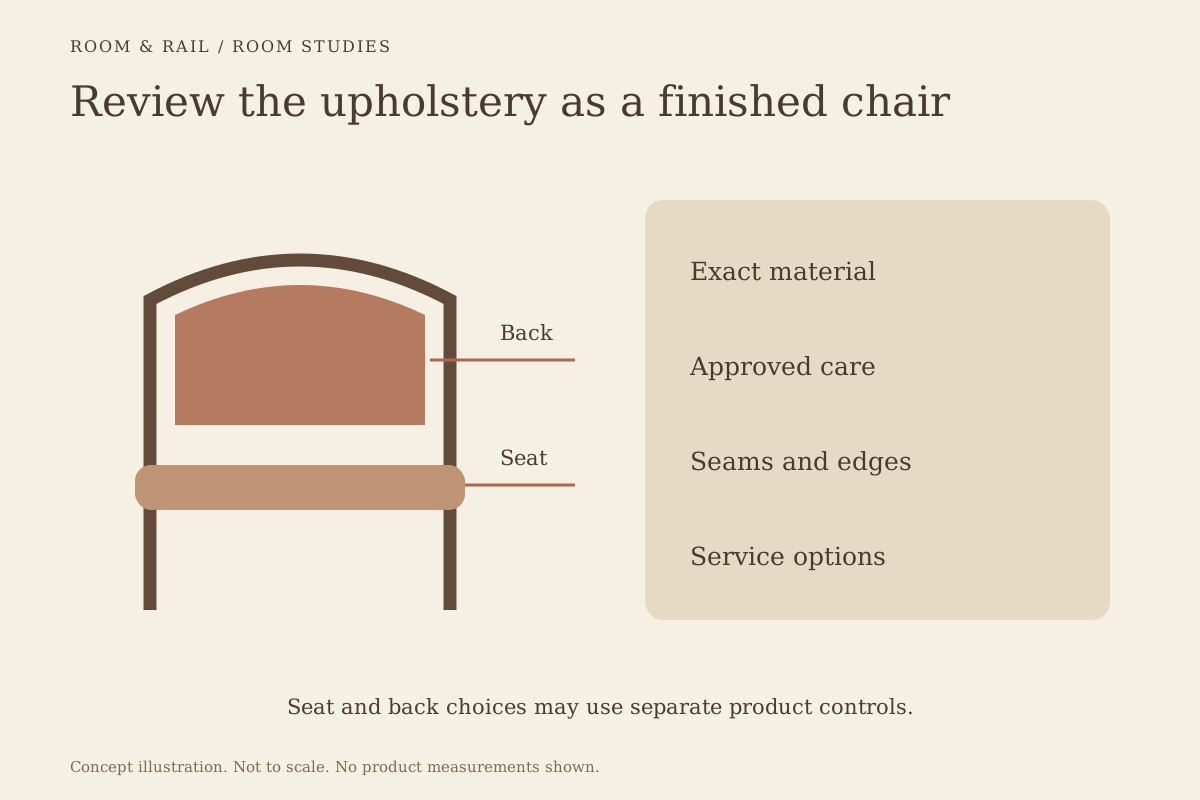
Start by separating the frame, seat, and back into their own choices. A chair with a padded seat is not the same specification as one with an upholstered back as well. The amount and location of upholstery affect the room's appearance and the questions the operating team needs answered.
Open diagram at full size (new tab) ↗
Identify the upholstery areas on the actual model
Compare the product controls with the representative photograph. The FRU-110 chair offers padded vinyl and padded fabric seat selections alongside a wood-seat choice. Its ladder-back frame is a different visual surface from the selected seat.
The FRU-2152 chair includes a padded back and separate controls for back type and seat type. That makes the back and seat configuration part of the purchasing decision. Do not assume that choosing fabric for one automatically selects the same material for the other.
Use the chair selection guide to keep those choices connected to the model's dimensions and intended use. An attractive upholstery reference should not distract from a fit question that remains unresolved at the table.
Ask for the material identity beyond a broad family
Fabric and vinyl are starting descriptions, not complete performance specifications. Request the relevant information for the exact offered material, including the approved care method and any documented restrictions. Retain the product or option identifier so the answer can be traced to the selected version.
The materials page explains why visual resemblance does not establish construction. A textured surface may look woven in a small image without giving enough information to describe its composition. Avoid replacing the stated material with a more appealing but unsupported term.
If a document includes test results, read the test name, conditions, and scope. Do not convert one result into a general promise that the upholstery will resist every spill or remain unchanged for a particular number of years. Missing documentation should remain a question, not a marketing claim.
Review the restaurant's actual cleaning procedure
Ask the operating team which products and methods they intend to use. Compare that procedure with the upholstery supplier's instructions before approving the material. A familiar cleaner used elsewhere in the restaurant is not automatically compatible with every chair surface.
Keep the frame finish in the review too. A cloth or treatment used on the seat may contact the surrounding wood or metal. The selected chair combines those materials, so their care instructions should not be considered as unrelated documents.
The ownership comparison shows how care questions belong beside the purchase information. Do not assign a fixed labor saving to one material without observation. Instead, record the confirmed procedure and whether it fits the restaurant's available training and routine.
Inspect seams, edges, and transitions
Look at where the upholstery meets the frame, how the seat edge is formed, and which seams will be exposed during use. Ask for detailed photographs or a sample where those areas are not visible. The general material swatch cannot explain the finished chair's construction.
During a sample review, inspect the seat and back in their normal use position. Note the specific detail being examined rather than describing the whole chair as easy to clean. A practical question might concern access to a junction or the approved method for a seam.
Avoid inventing a spill or abrasion test. If a test is needed, arrange an appropriate documented method with the supplier or qualified reviewer. An improvised demonstration can damage a sample and still fail to establish the performance the project needs.
Evaluate the seat as seating
Upholstery appearance does not predict the feel of the finished chair. Foam, shape, support, and the table relationship can all affect the user's observation. Evaluate the actual assembled model where possible, using the intended configuration rather than a loose swatch.
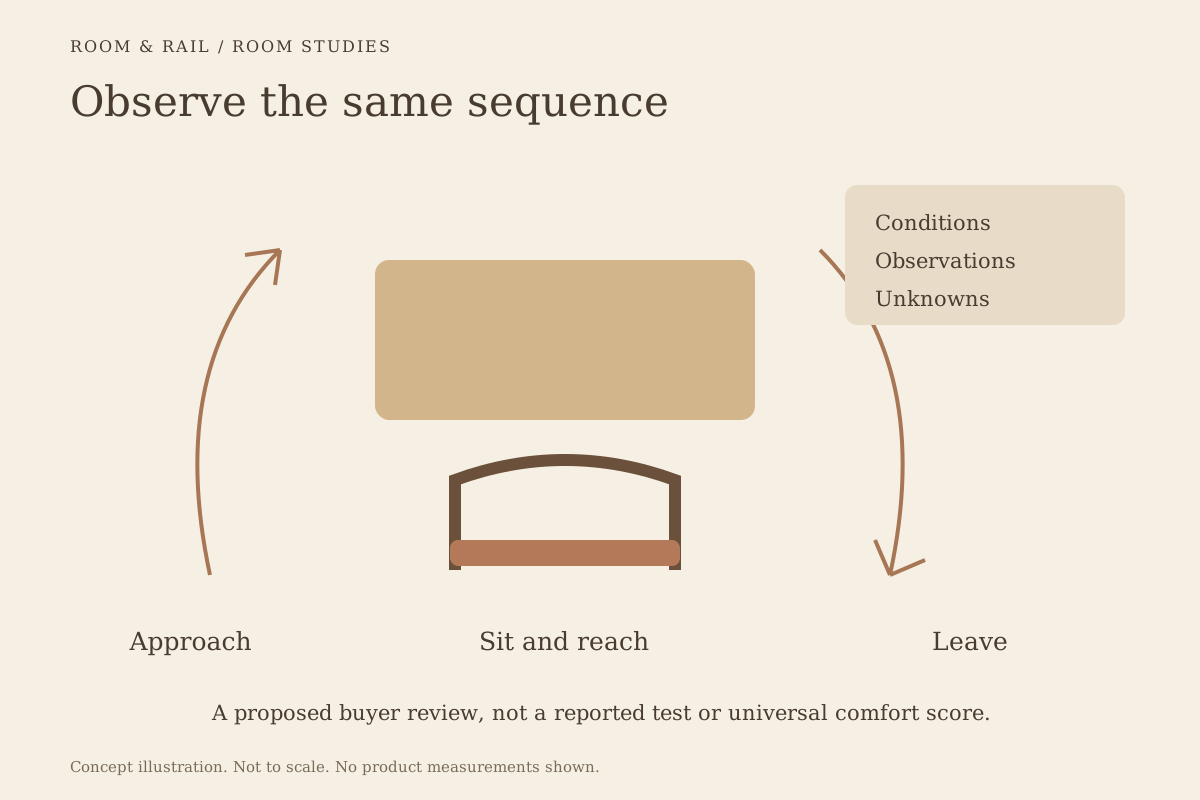
The comfort-review guide provides a repeatable observation process. Have reviewers describe specific contact or movement issues instead of reducing the result to a vague comfortable label. Keep those observations separate from claims about health, accessibility, or universal fit.
For stools, use the commercial stool guide as well. An upholstered dining chair and an upholstered stool can share a color while creating different seat-height, foot-support, and movement questions.
Place the material in the room's composition
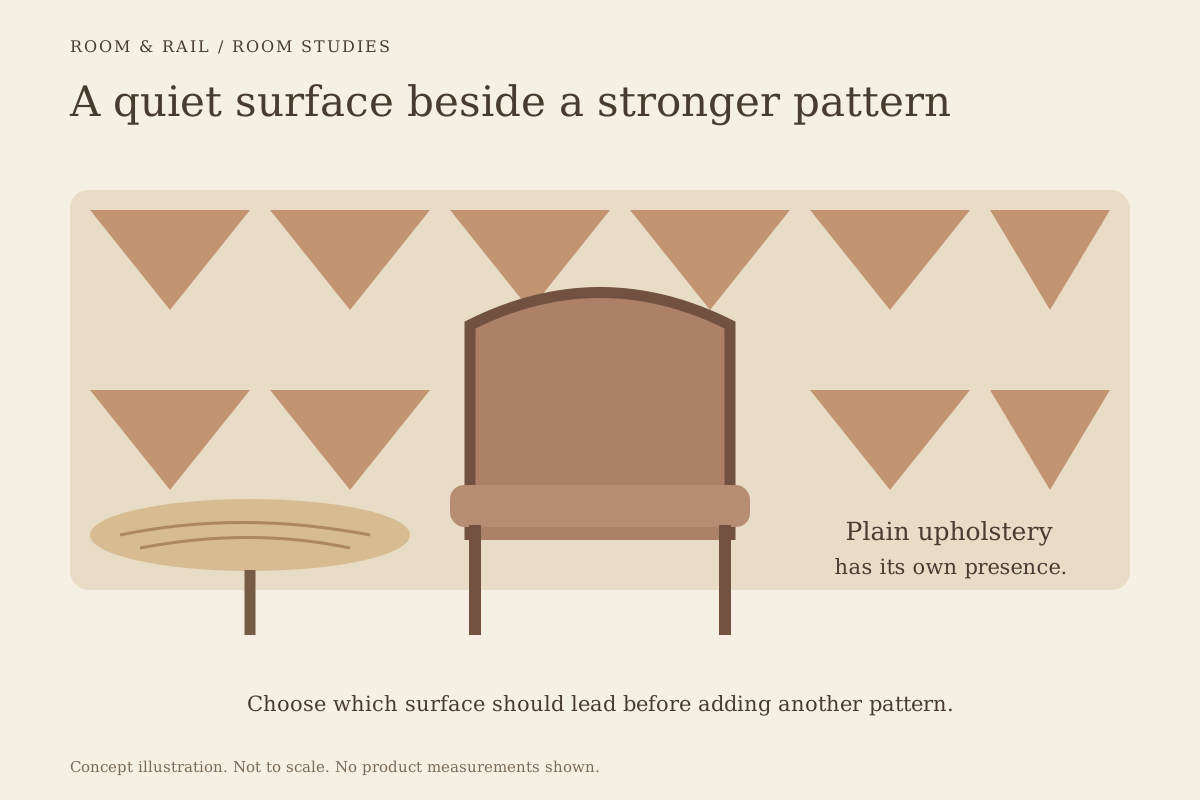
Once the practical questions are clear, compare the selected upholstery with neighboring surfaces. The guide to plain upholstery beside bold materials helps define whether the chair should provide a quieter area or a stronger color feature.
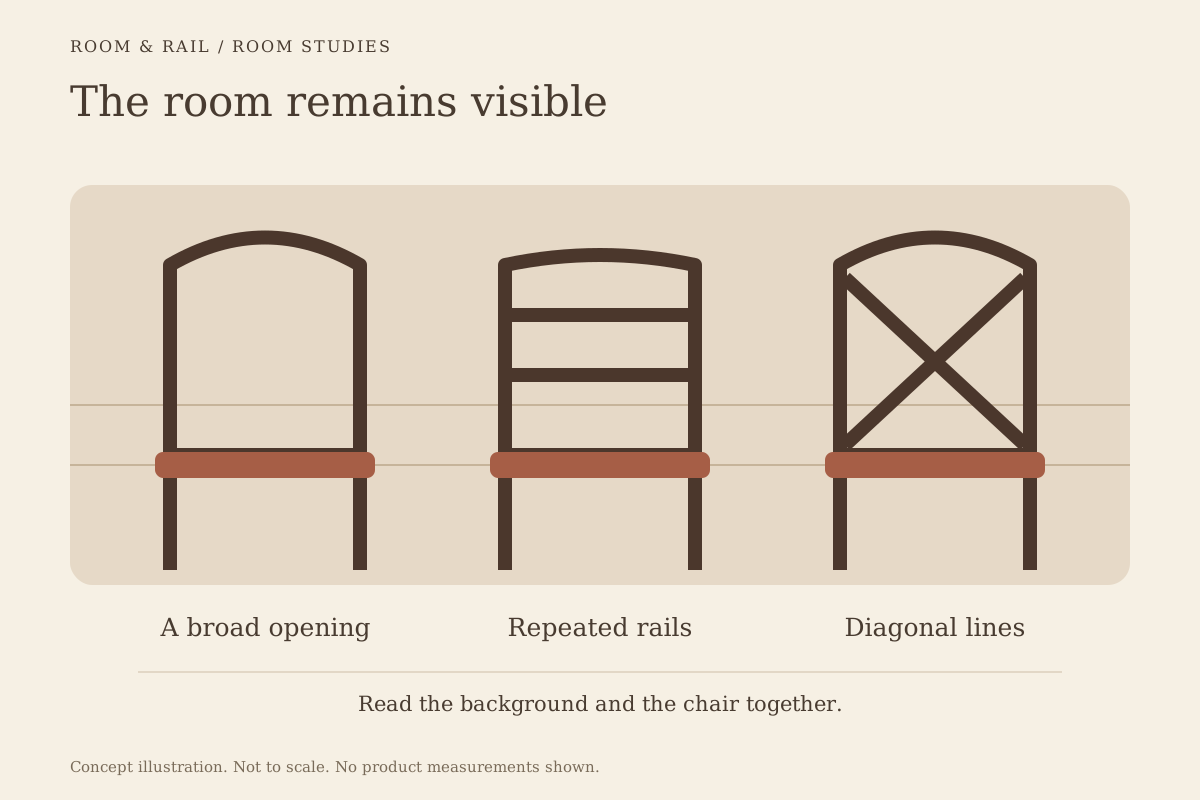
If the room also has booth seating, compare the scale of the upholstered areas. A small chair-seat sample and a booth-back sample may appear equal on a board while occupying very different amounts of the finished view. Keep whole-product references beside the swatches.
Use the physical sample guide when a close visual relationship matters. View the exact materials beside the fixed finishes and record the conditions. A shared color name should not substitute for that comparison.
Understand the future service options
Ask whether the upholstery or seat can be replaced for the selected model, what parts are available, and who should perform the work. The availability of several new-product upholstery choices does not prove that a replacement kit will remain available later.
Keep the approved care instructions and material identifiers in the project documentation alongside the saved furniture selection. If a later replacement differs, review it against the surrounding pieces rather than assuming that the old finish name guarantees a match. A maintenance decision can become a palette decision too.
Approve a complete upholstery choice
Save the exact seat and back options on the finish board, including any differences between rooms. Record unresolved material or service questions beside the affected line. The buying guide explains how that configuration proceeds into the final review.
The result should be more specific than a preferred swatch. It should identify the finished chair, the material documentation, the intended care procedure, and the accepted visual relationship. That gives the operating team and the design team the same concrete selection to work from.