The room journal
Aluminum, steel, or resin patio furniture: choose for the actual location
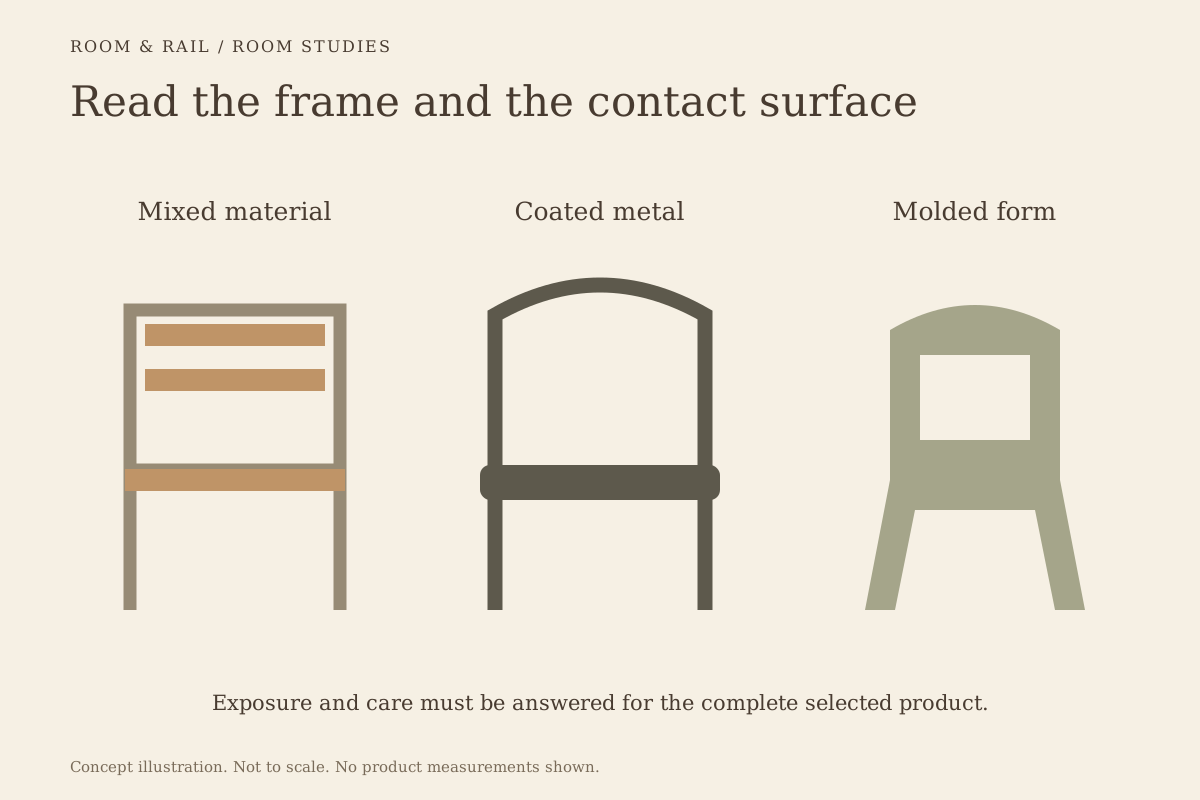
Aluminum, steel, and resin furniture can each appear in a restaurant patio catalog, but the material label is only the beginning of the comparison. The complete product includes finishes, joints, seats, fasteners, and sometimes several materials in one assembly. Its suitability depends on the actual environment and the way the restaurant will care for it.
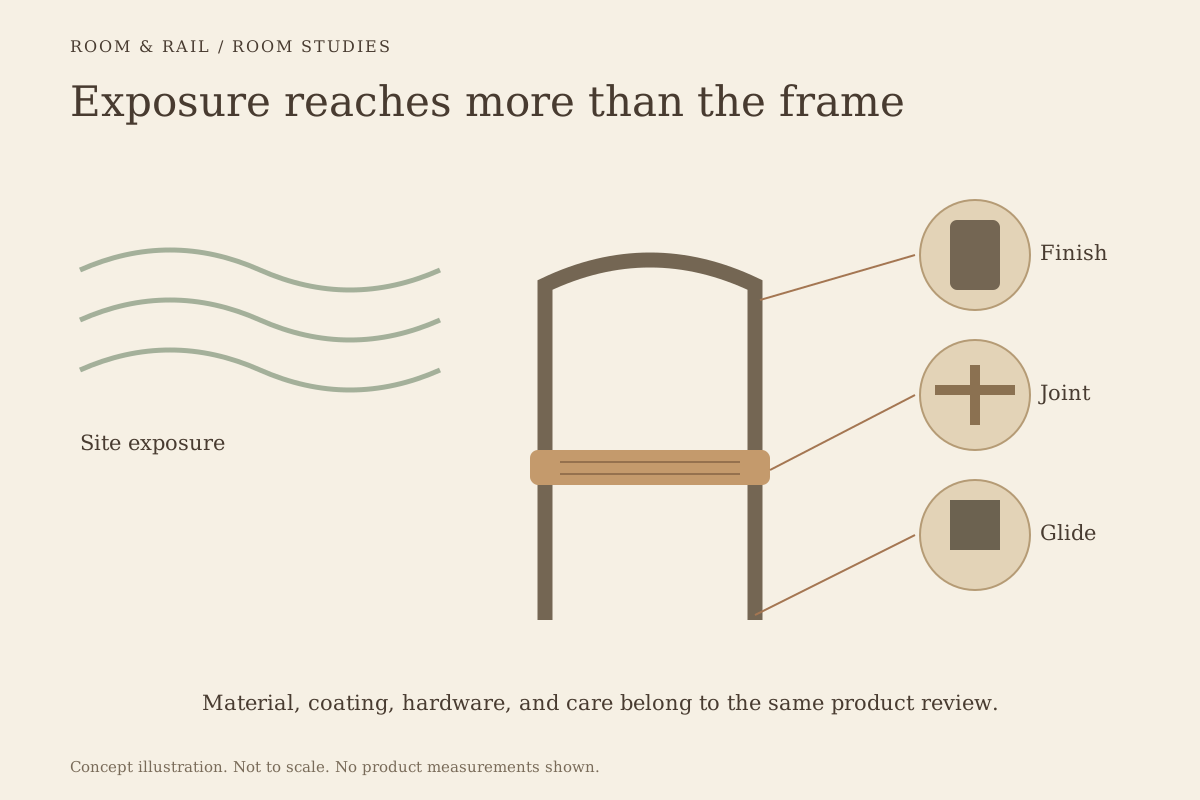
Choose based on the site's conditions rather than a universal material ranking. Direct sun, coastal exposure, rain, storage, and daily handling create different priorities. A useful shortlist explains which product facts address those priorities and which questions still need a model-specific answer.
Open diagram at full size (new tab) ↗
Describe the climate as the furniture will experience it
Annual weather averages do not tell you whether a particular chair sits beneath a roof, beside an exposed railing, or in a sunny courtyard. The local placement can matter as much as the city. The furniture's exposure before and after service also belongs in the description.
The outdoor specification guide turns those conditions into a buying brief. Identify the zones with direct sun, frequent wetting, salt deposits, or limited storage, then compare products against that brief.
Keep a distinction between environmental suitability and the room's appearance. A material that supports the desired style still needs the relevant product evidence for the location where it will be used.
Aluminum frames often share the chair with another material
The aluminum faux-teak chair FRU-402-ECO lists an aluminum frame and plastic-teak seat. The Marina rope chair combines an aluminum frame with a rope seat. Both are listed for indoor and patio use, but the contact surfaces are different.
The frame label does not supply the seat's care instructions or drying behavior. It also does not identify every fastener, joint, or coating detail. Read the assembly by component when comparing it with another chair.
If the furniture will be moved frequently, compare its actual weight and handling shape. These two models are listed at 5 and 9 pounds, respectively. That is a model-specific difference, not evidence that every aluminum chair weighs less than every resin or steel chair.
Steel construction needs its actual finish information
The Ella armchair FRU-OD-3118-AR-BL lists a steel frame, metal seat, patio use, and a 19-pound weight. Its published product description identifies E-coated steel with an outdoor powder coat. Those are specific construction facts.
They do not justify a promise that every steel surface is immune to corrosion or suitable for every coastal location. Review the exact product's exposure, cleaning, and repair guidance, including how damaged finish areas should be addressed.
The coastal furniture article explains why frame material, coating, and hardware should remain separate questions. A dark painted appearance cannot identify the protection beneath it.
Resin is a family description, not one construction
The Harmonia resin chair lists resin frame and seat materials, indoor/patio use, stackability, and a 10-pound weight. Its color choices include Black, Brown, Dark Grey, Silver, Taupe, Teak, and White. A color name such as Teak does not make the material wood.
Other products may use a resin coating over a core, a molded component, or a mixed assembly. The resin-table construction article shows how different those products can be despite sharing one catalog word.
Do not infer recycled content, a particular polymer, UV performance, or repairability from resin alone. Those claims need the exact product's documentation. The broad material label can organize a shortlist, but it cannot complete the specification.
Direct sun changes the contact-surface comparison
Outdoor durability does not mean that a seat remains cool in sunlight. Color, exposure, contact material, and shade all belong in the comfort review. A chair may have a shaded seat and exposed metal arms at the same time.
The direct-sun article explains how to compare actual surfaces without inventing temperature rankings. Include the relevant service hours and the furniture's exposure before guests arrive.
Choose shade equipment as an approved system with its own placement and operating requirements. It should address the occupied setting while remaining compatible with the site's wind and access plan.
Rain brings geometry into the material decision
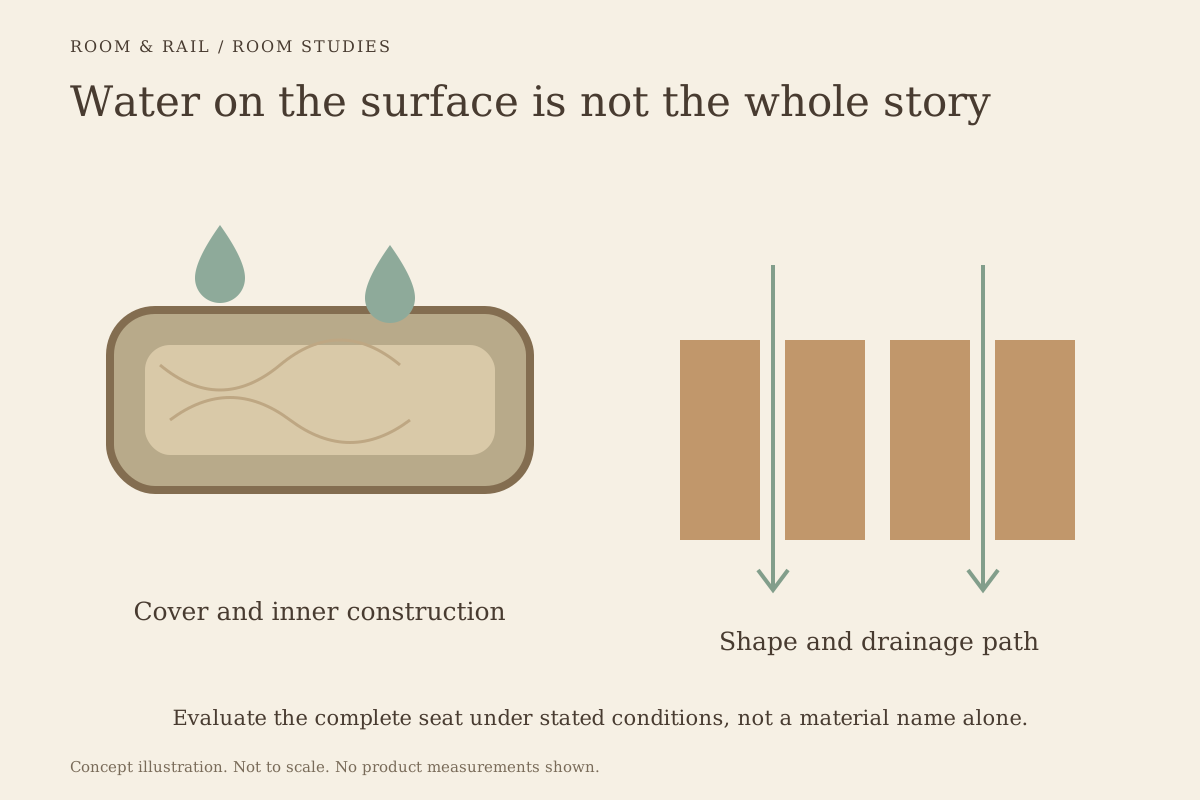
A slatted seat, a molded depression, and a cushion can manage water differently because of their shape and construction. The broad material category alone does not tell you where water remains or how long the complete seat takes to become usable.
The after-rain guide examines that process. Review drainage paths, junctions, padding, and the approved care routine rather than assuming that a water-resistant surface describes the whole assembly.
The table matters too. A top, edge, and base may have different materials and water exposure. Keep the outdoor table assembly together when comparing suitability and daily checks.
Handling and storage can change the preferred construction
A restaurant that removes furniture every evening has different priorities from one that leaves an approved arrangement in place. Stacking limits, grip, nested dimensions, and the storage environment can affect the practical choice.
The stackable-storage article uses the complete routine as the comparison. Do not assume that a lighter model automatically makes the routine easier if its permitted stack is smaller or the shape is awkward on the actual route.
Use the seasonal budget guide when including the recurring work in your own cost comparison. A product that suits the climate but requires care or storage the site cannot provide may be a poor operating fit.
Build a coherent palette from the suitable alternatives
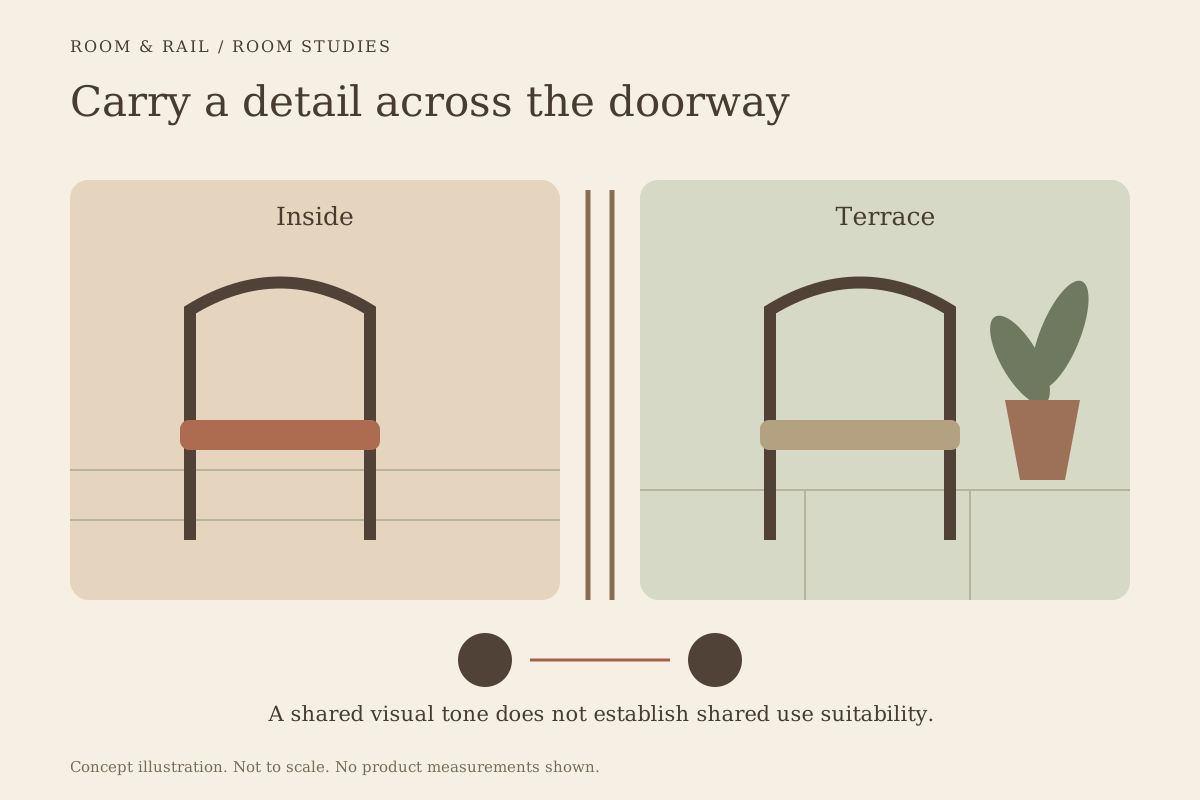
Once the technical shortlist is defined, compare the material surfaces in the actual light. A wood-like plastic seat, woven rope, and painted steel can each relate to the interior through tone or shape without pretending to be the same material.
The indoor-to-outdoor palette guide helps make that connection. Repeat a deliberate detail, such as a dark frame line or warm seat tone, while allowing the outdoor construction to answer its own environment.
Select an assembly for a defined place
The best material choice is the complete product whose documented use, construction, care, and handling suit the patio zone. Aluminum, steel, and resin each need that model-level review. None should receive a universal climate score from its name alone.
Carry the selected configurations into the project with their room positions and material references. The resulting patio can look consistent while using different constructions where the site requires them, with each choice supported by a clear reason.