The room journal
Patio furniture costs through a season of opening, cleaning, and storage
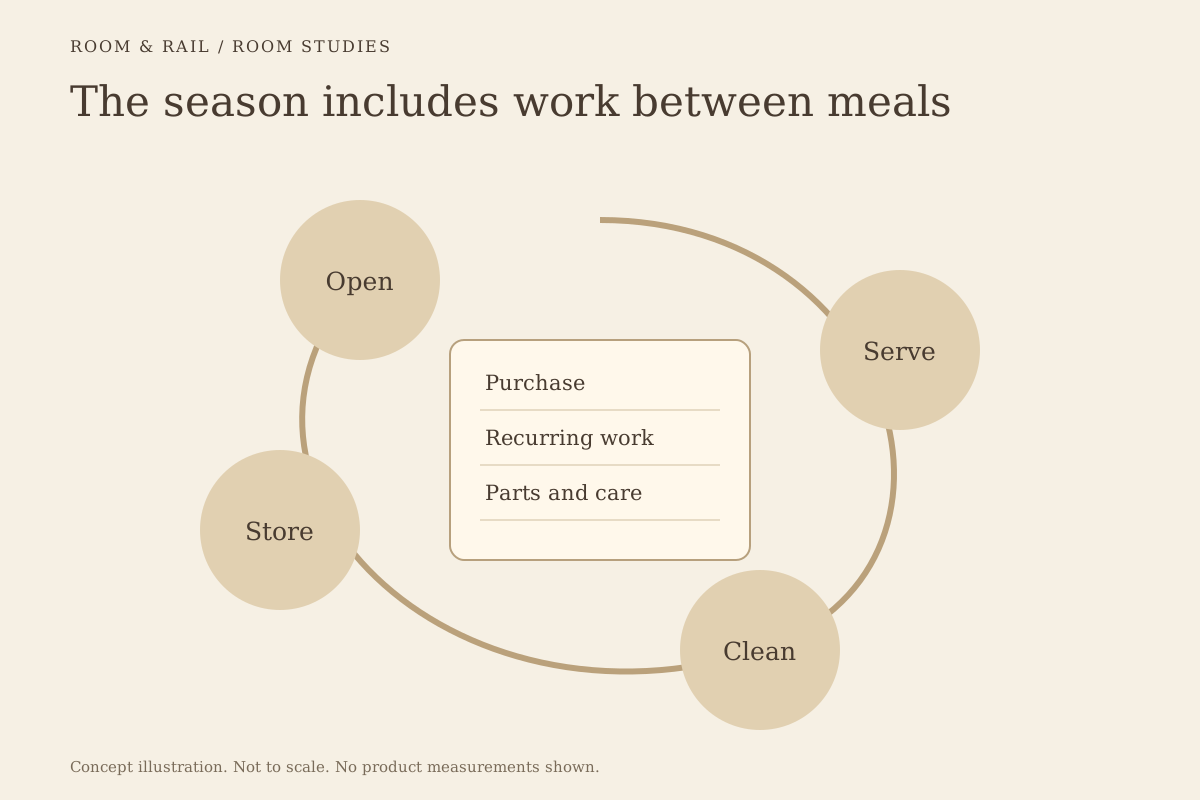
The cost of patio furniture continues after delivery. Opening, cleaning, moving, covering, storing, inspecting, and replacing components all use resources. A purchase comparison that stops at the chair price can miss the work created by a particular material or storage arrangement.
Build a seasonal budget around the way the patio will operate. Some restaurants keep a small terrace open most of the year; others remove the whole setting for winter. The right comparison uses that actual schedule and separates known costs from assumptions that still need a product or site answer.
Open diagram at full size (new tab) ↗
Begin with complete settings and actual selling units
Count the selected chairs, tables, bases, and accessories for each patio zone. A furniture set may contain several pieces, while a separate tabletop may need a base. The purchasing list should make those differences visible before any annual-cost calculation begins.
The outdoor specification guide helps define the complete assembly. Keep the use classification and selected options attached to each line, especially where visually similar products have different materials.
Use current configured prices when comparing the order. A starting price can introduce a product, but it is not a complete seasonal budget and should not be treated as a delivered cost for every option.
Count the recurring work in staff-minutes
Measure or estimate the actual opening and closing routine separately from the purchase. Two people working for ten minutes represent twenty staff-minutes, even though the elapsed time is ten minutes. That distinction matters when comparing routines with different staffing.
For a hypothetical example, twenty staff-minutes per service day at an assumed labor cost of $24 per hour equals $8 per day. Over 180 service days, the described task would total $1,440. These are illustrative assumptions, not measured restaurant results or a recommended labor rate.
Use the arithmetic to identify which task deserves attention. If most of the time is spent moving tables through a narrow doorway, choosing a lighter chair may not materially change the routine.
Make storage space a visible part of the comparison
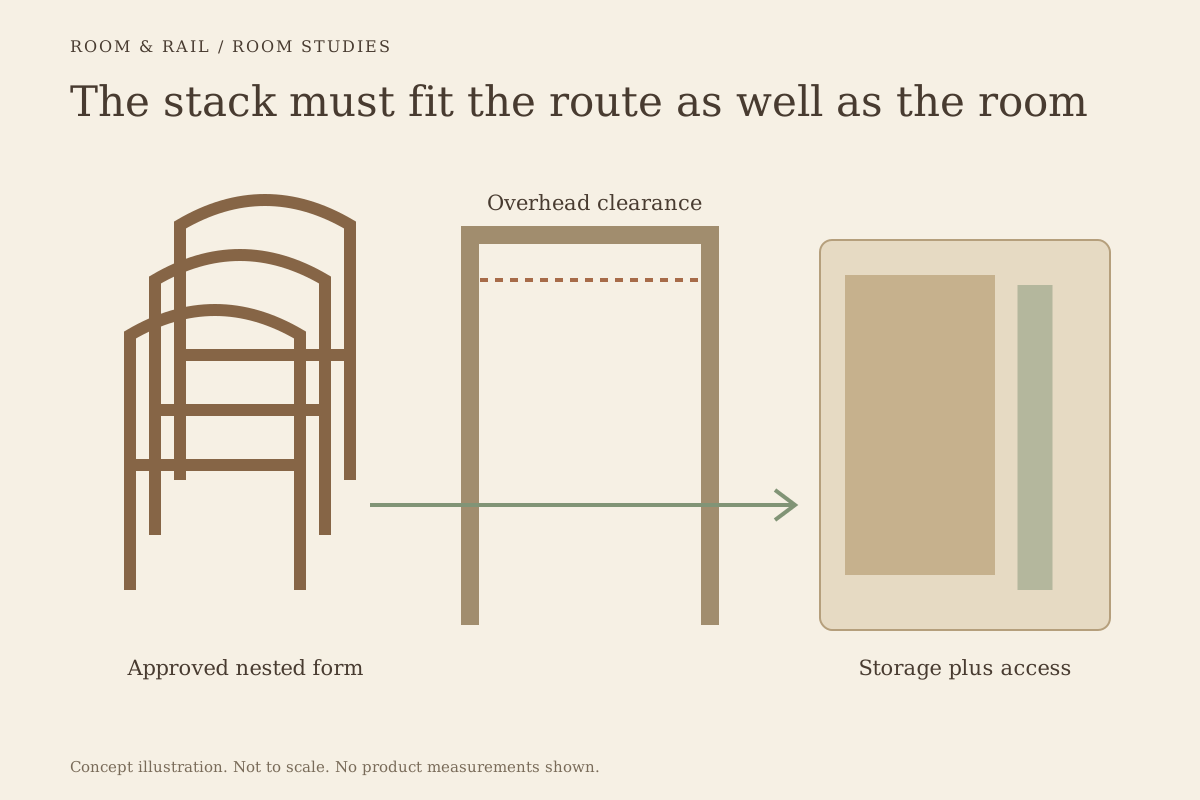
Stackable chairs can reduce the number of separate footprints, but the approved stack dimensions and access area determine the actual storage need. Tables, umbrellas, cushions, and covers may require additional space that does not nest with the chairs.
The storage-planning article provides a more useful method than estimating from individual chair dimensions. Include the space needed to reach the stacks and protect required routes.
If the restaurant pays for off-site storage, include transport and handling as well as the storage fee. If it uses its own room, recognize that the space cannot serve another purpose at the same time. The cost may be operational rather than a separate invoice, but it still affects the decision.
Match care costs to the exact material
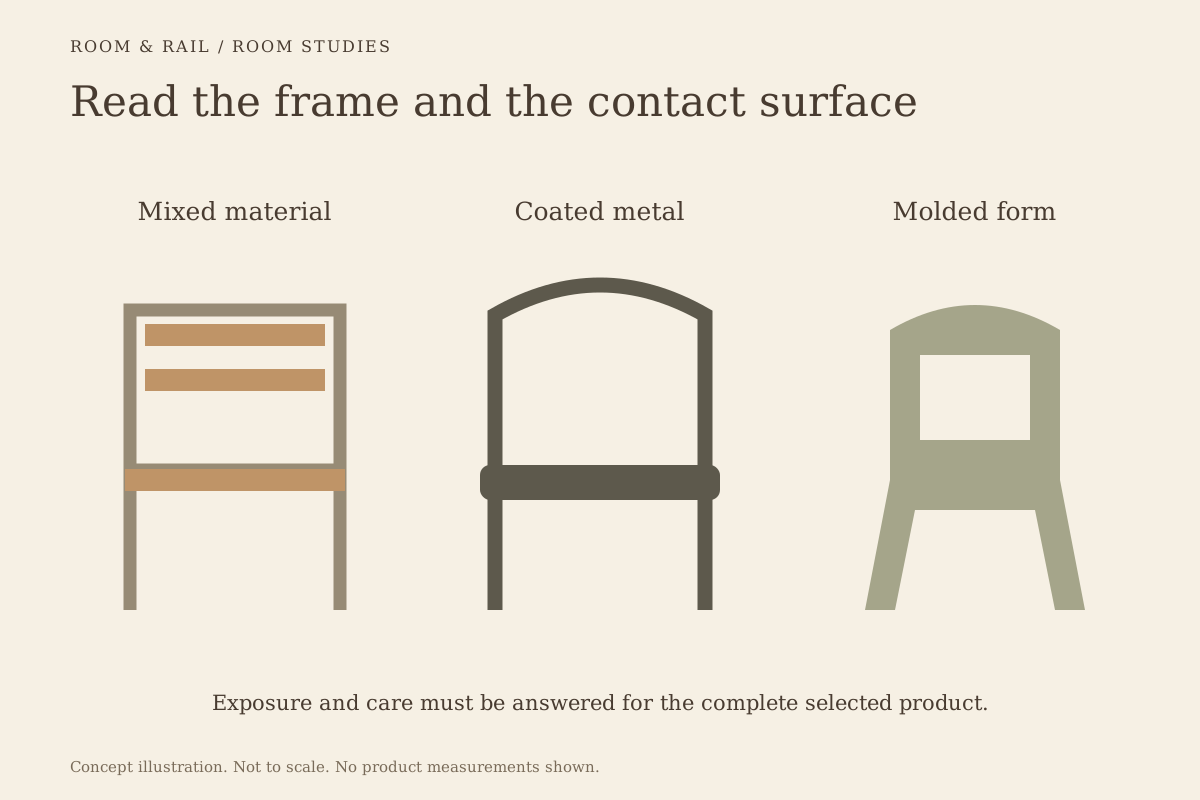
A mixed-material chair can have different instructions for its frame and seat. The Marina rope chair, for example, lists an aluminum frame and rope seat, while the aluminum faux-teak chair lists an aluminum frame and plastic-teak seat.
Those facts identify different assemblies, not a measured maintenance-cost ranking. Obtain the approved routines and compare them with the site's supplies, staff process, and exposure. Do not assume that every outdoor surface uses the same cleaner or frequency.
The local-climate material guide helps identify the questions that change with exposure. A coastal terrace, dusty courtyard, and sheltered dining area may need different operating attention even with the same furniture.
Treat covers as products with their own requirements
A cover can be useful only if it suits the furniture and storage conditions. Fit, ventilation, fastening, moisture, and handling all belong in the selection. A generic plastic sheet is not automatically a substitute for a specified cover.
Fermob's published winter guidance, for its own furniture, emphasizes a dry, ventilated storage location where possible. That example shows why the storage environment needs attention alongside the cover itself. Follow the selected furniture's instructions rather than borrowing another manufacturer's entire routine.
Include the work of fitting, removing, drying, and storing covers where applicable. The annual plan should also account for their condition and replacement, rather than treating them as a permanent one-time accessory.
Separate weather response from ordinary closing
The patio may require additional action for wind or other conditions. That work can differ from the routine used on a normal evening. Shade equipment, partitions, and loose accessories may need their own procedures.
The wind-planning guide connects those procedures to the actual product systems. The budget should support the plan, not encourage staff to skip required actions because the purchase comparison ignored their time.
Likewise, rain recovery can affect when the patio returns to service. A cushion or woven surface may require a different process from a smooth seat, but the complete construction determines the result.
Plan parts and repairs without inventing a lifespan
Identify approved replacement glides, hardware, seat components, and other serviceable parts for the selected products. Include confirmed prices or allowances as clearly labeled planning assumptions. Do not assume a part is available because a similar item appears in a hardware store.
The chair-glide article explains why compatibility matters. A small component can affect floor contact and handling, so its replacement should preserve the intended furniture assembly.
Avoid assigning every chair the same replacement year without evidence. Condition, use, exposure, and product construction can differ. A periodic review can identify which parts need attention while keeping the budget honest about what is known.
Compare alternatives over the same period and scope
If one option includes indoor winter storage and another assumes outdoor storage, the difference should be explicit. If one includes cushions and another does not, include the cushion-related work. Use the same service-day assumption and labor basis for both.
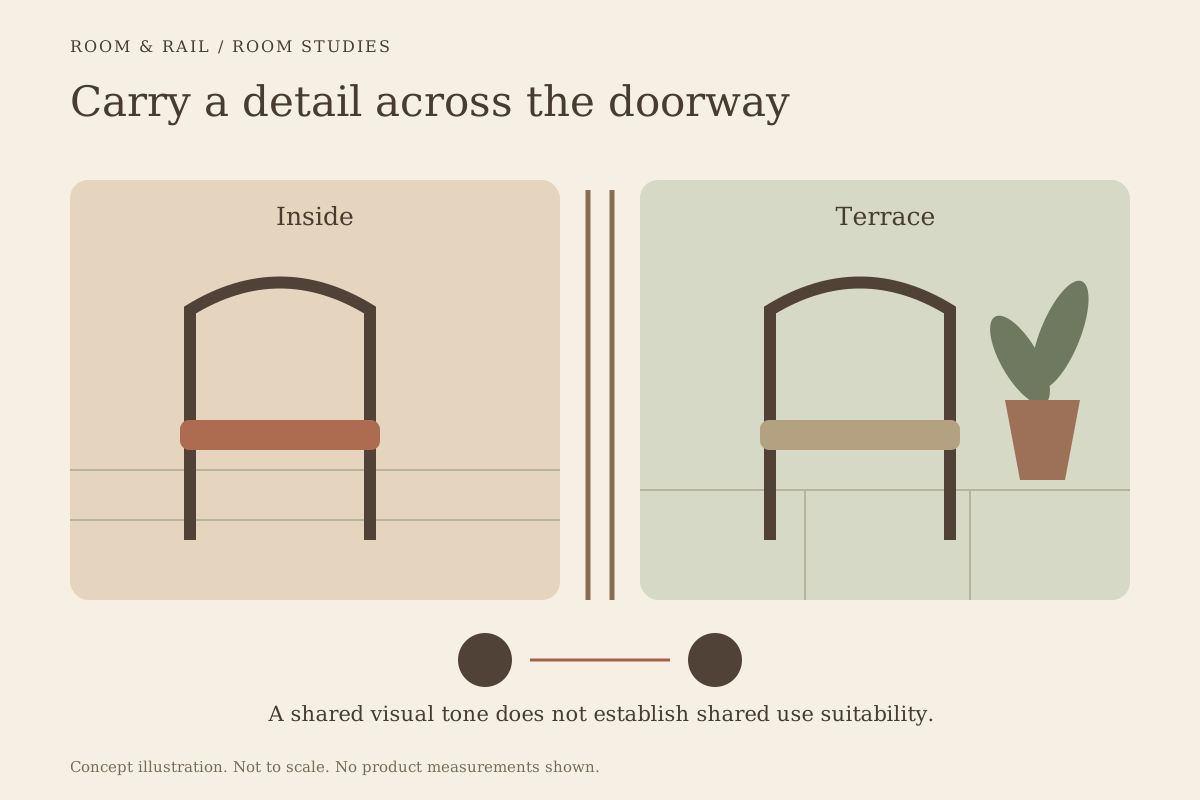
The indoor-to-outdoor palette guide can help preserve the design when operational needs favor different constructions. The visual connection need not depend on choosing the same material everywhere.
Keep the selected tables, chairs, accessories, and room quantities on the finish board. That makes the budget traceable to the furniture the restaurant intends to operate.
Buy the patio routine as well as the furniture
A useful seasonal budget shows the purchase, recurring work, storage, care, and defined replacement needs without pretending to predict every future cost. It gives the restaurant a clearer comparison than a low initial price alone.
Choose the arrangement that the site can maintain and use consistently. When the operating routine fits the furniture and the room, the patio's appearance is easier to preserve through the season, and later changes can be made for a specific reason rather than an unexpected cost.