The room journal
Outdoor restaurant furniture: build the selection around the site
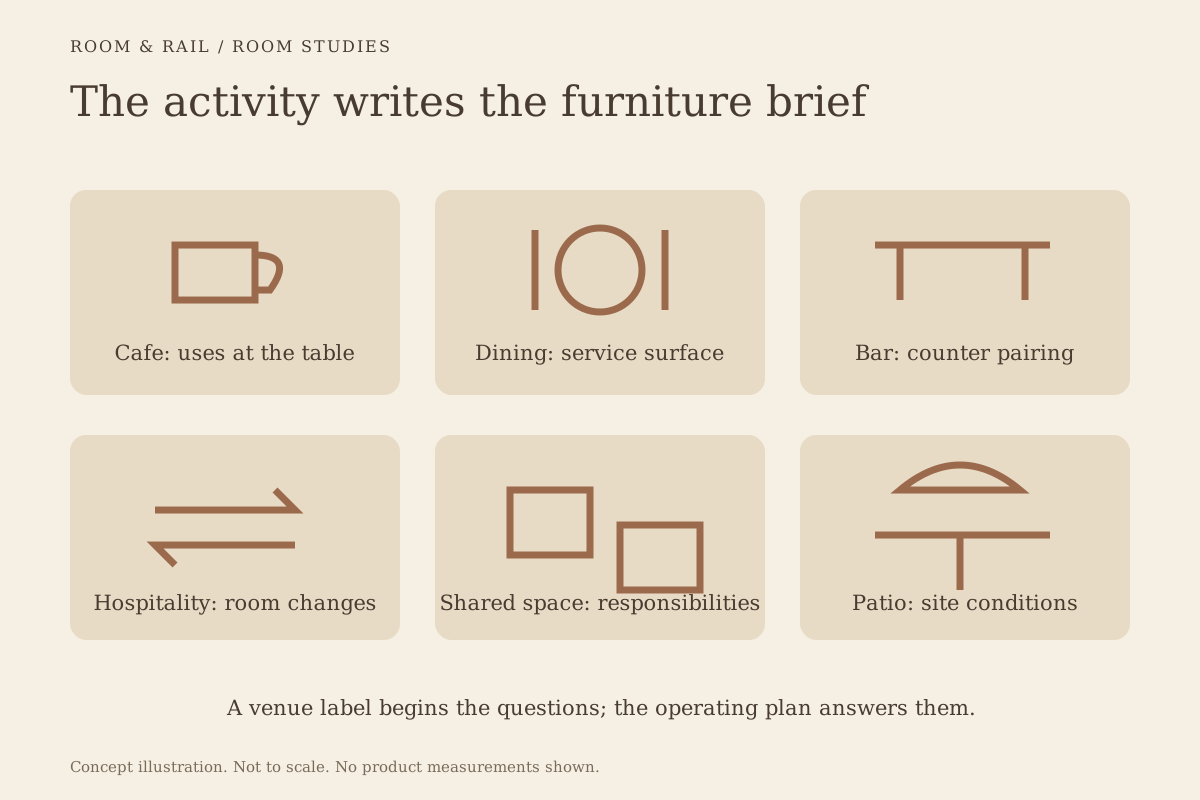
Outdoor restaurant furniture needs a site brief as well as a palette. A sheltered courtyard, an exposed terrace, and a covered area open to wind can raise different questions even when the furniture looks similar. The individual product's stated use is the starting point, followed by the conditions it will actually face.
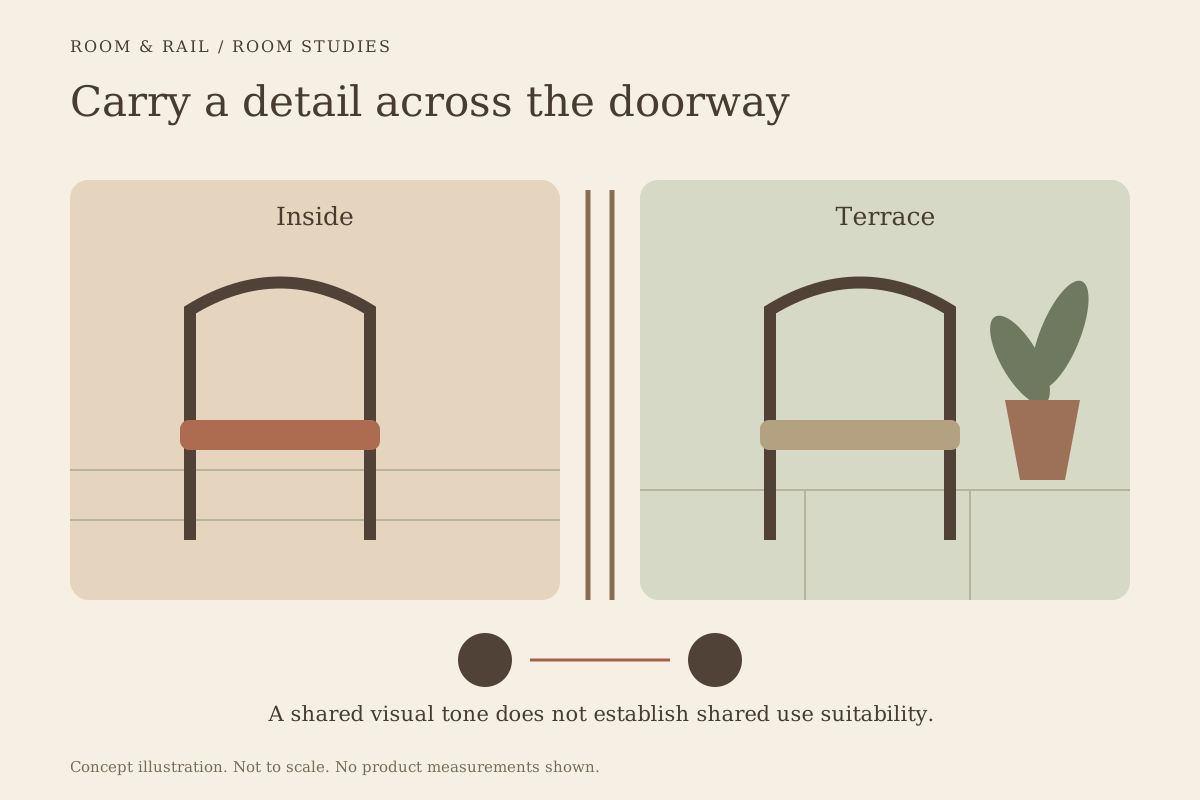
Build the selection around those conditions before pursuing a close match to the interior. You can often carry a curve or color relationship across the doorway without using the same product. That leaves room for furniture choices whose recorded materials and intended use suit the exterior setting.
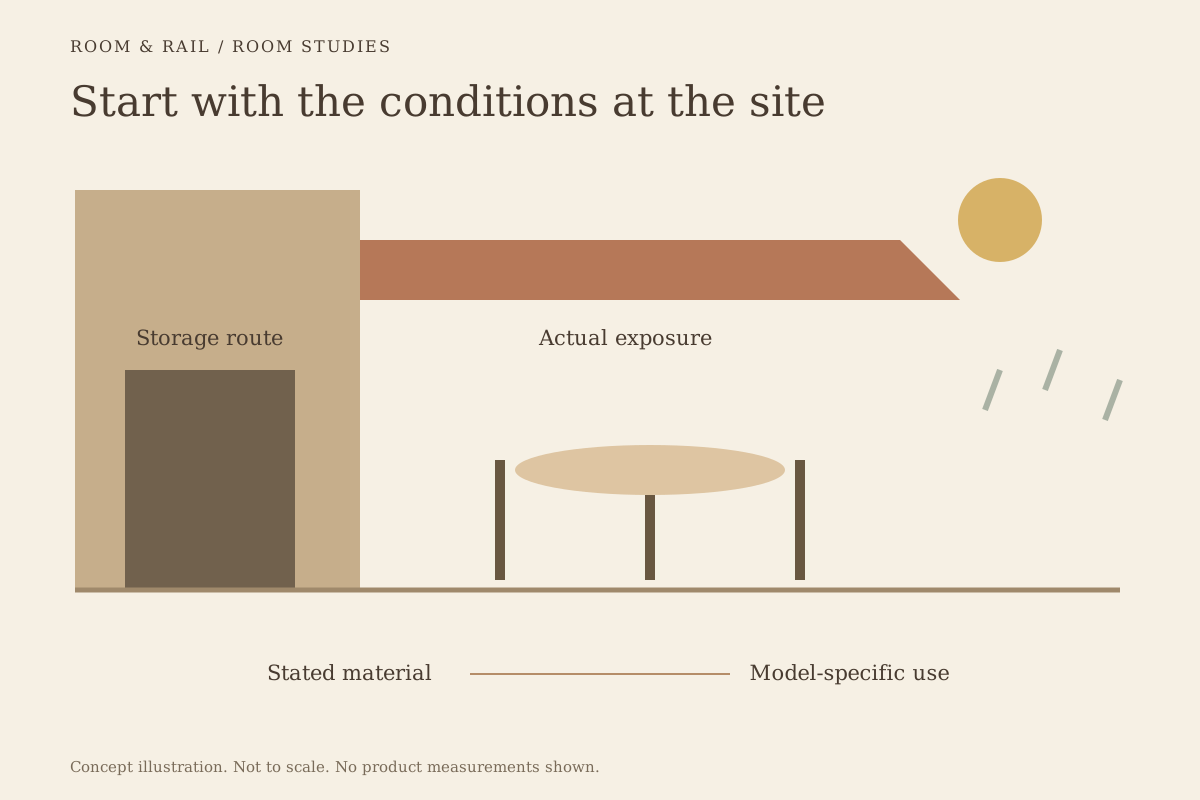
Open diagram at full size (new tab) ↗
Describe the exposure in plain terms
Record where the furniture will stand, what covers it, and whether it is moved into storage. Note sun, rain, nearby salt exposure, and any known site restrictions as questions for the supplier or project team. Do not reduce this information to outdoor use required and leave the details unstated.
Begin with the outdoor furniture collection, then read each model's use classification. A patio label identifies the catalog's stated use but does not answer every climate or operating question. A covered area can still require a more specific review.
The guide to connecting indoor and outdoor palettes keeps the visual relationship separate from suitability. Matching the indoor chair's color does not make an indoor model appropriate outside. Confirm the actual exterior product rather than transferring another model's description.
Identify the material beneath the appearance
Natural-looking colors can describe several different constructions. The FRU-135 chair, for example, lists an aluminum frame with a bamboo look and a faux-rattan seat. It should not be recorded as a natural bamboo-and-rattan chair because the photograph suggests that appearance.
The same record identifies indoor and patio use, a listed weight of 7 pounds, and stackability. Those facts are useful, but they do not establish wind suitability, an unlimited stack height, or a universal storage method. Request the relevant guidance for the way the restaurant intends to use it.
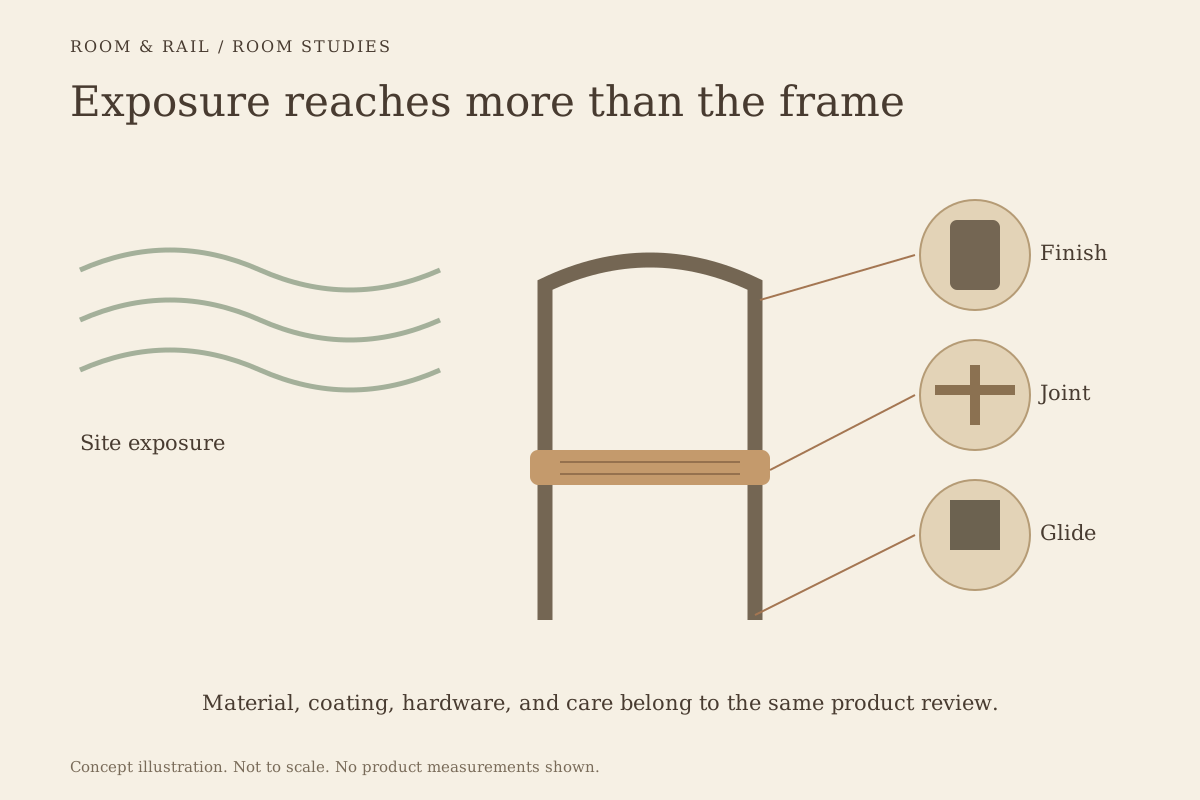
Use the materials page when reviewing other surfaces and frame finishes. A coating color alone does not prove corrosion performance, and a woven look does not identify the exact fiber. Keep the actual description beside the visual reference throughout the selection.
Compare handling without turning weight into a promise
If staff move the furniture daily, review the handling task with the actual models where possible. Consider the route, carrying method, and place where pieces are stored. A listed weight is one input, not a complete assessment of how a person will move an awkward shape.
The FRU-110-OD chair lists a steel frame, patio use, stackability, and a weight of 14 pounds. That is a different record from FRU-135. Neither entry establishes which model will be easier for every member of staff to handle.
Ask for stacking limits and approved transport or storage arrangements. Do not build a storage plan by nesting chairs experimentally or copying another product's stack. Where the space depends on a particular stack footprint, obtain that information before placing the order.
Review tables as complete exterior systems
A patio table includes a surface, support, and mounting relationship. Check the stated use of every selected component. An outdoor base paired with an indoor top remains an unresolved specification, even if the two look convincing together.
The table-system guide explains how to distinguish complete tables from separate table tops and bases. Obtain confirmation for the exact size and support arrangement, including any folding or moving features the operating plan requires.
Review the ground conditions with the relevant project team. A photograph of a flat terrace does not establish that the actual paving is suitable for the chosen table arrangement. Follow the manufacturer's instructions for any adjustments rather than improvising structural changes or informal stability tests.
Keep shade and wind questions outside guesswork
If shade equipment is part of the plan, retain its exact dimensions, support requirements, and operating instructions. Furniture should be arranged around the complete installed footprint. Do not infer the safe use of a shade product from its size or from the weight of a nearby table.
Wind and anchoring decisions need site-specific information from appropriate professionals and the product documentation. Avoid universal speed thresholds or claims that one furniture material cannot move. The operating plan should identify who follows the documented closure or storage procedure when conditions change.
Use the room-layout workflow to keep circulation and fixed features visible. Shade supports, planters, and barriers occupy space even when they are outside the furniture order. A list of chair and table dimensions alone cannot describe the whole patio.
Compare surface use in the actual setting
Where a sample is available, review the seat, back, and table surface in the conditions that matter to service. Record observations clearly, including the weather and the exact finish. Do not turn one informal review into a general temperature or drying-time claim.
The comfort-review method can help organize seating observations, while outdoor-specific material questions remain separate. Ask for approved cleaning and care instructions. A surface's appearance does not tell you which products can be used on it.
Include the routine for rain, seasonal closure, and reopening in the discussion. Confirm what inspection and storage guidance applies to the actual model. Avoid using an assumed service life as the reason to accept a finish whose care requirements are still unknown.
Give the exterior its own saved group
Create an outdoor group in the finish board and retain the selected use classification in the wider project notes. If a room copy began with indoor furniture, review every copied line. Changing the room name does not change the product's suitability.
Check the receiving route and storage access through delivery planning. Packaged dimensions and assembly form may differ from the furniture's listed overall dimensions. Confirm those details where they affect gates, stairs, or the storage area.
Finish with a selection that fits its conditions
Review the furniture against the original exposure brief before continuing through the buying process. Each line should have a clear model, configuration, stated use, and list of unresolved site questions. The indoor palette can remain a reference without becoming an unsupported specification.
That combination of design and product-level checking gives the patio a stronger starting point. It preserves the visual relationship to the restaurant while leaving material performance, handling, and weather procedures grounded in the documentation and conditions that actually apply.