The room journal
Coastal patio furniture: specify the assembly behind the seaside palette
A restaurant patio near the coast needs more than a beach-inspired palette. Salt exposure, moisture, cleaning access, and the construction of the furniture all belong in the buying decision. An attractive frame material or an outdoor label does not describe how every component will behave at the specific site.
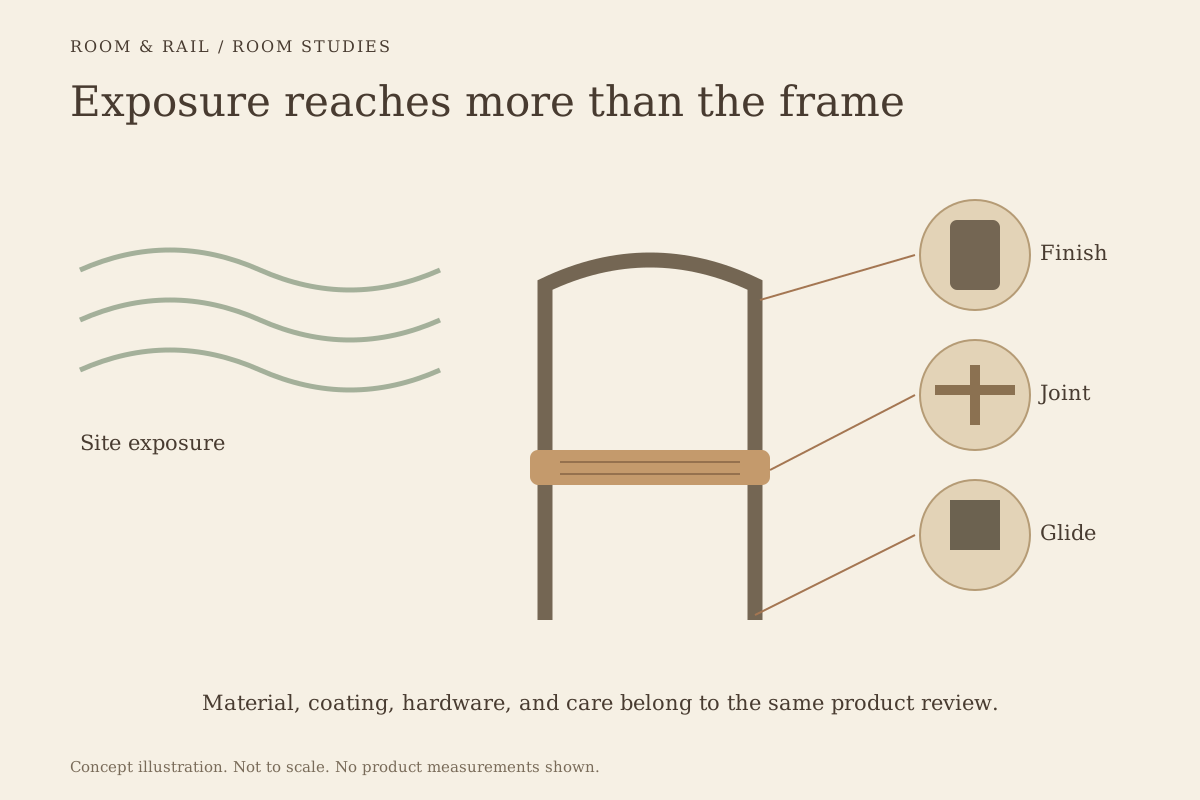
Start with the exposure the furniture will actually receive. A sheltered courtyard several blocks inland is different from an open waterfront terrace exposed to spray. The useful comparison identifies that setting, then examines the frame, finish, fasteners, seat, and maintenance requirements as a complete assembly.
Open diagram at full size (new tab) ↗
Describe the site before selecting the finish
Identify which areas receive direct spray, wind-driven moisture, or frequent deposits. Note whether furniture is under a roof, exposed at the edge, or protected behind the building. The same patio can contain several different exposure conditions.
The outdoor specification guide helps turn those observations into a product brief. Use the description when discussing suitability with the supplier, rather than asking only whether the furniture can go outdoors.
Keep the seating plan connected to those zones. A delicate-looking material choice may be appropriate in a protected interior courtyard but require a different review at the exposed edge. Visual continuity does not require identical construction in every position.
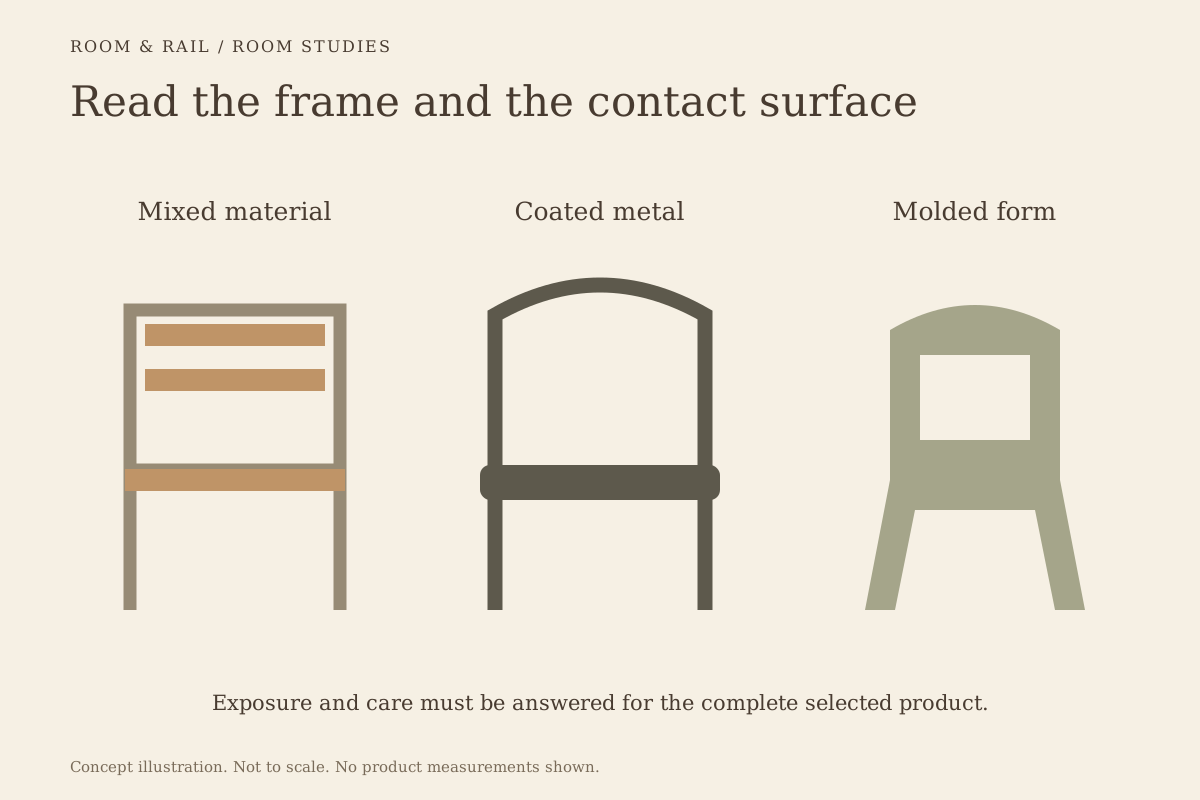
Read the complete material combination
The aluminum and faux-teak chair FRU-402-ECO lists an aluminum frame, plastic-teak seat, and indoor/patio use. The black aluminum armchair FRU-ERAT-64-AR also combines an aluminum frame with plastic teak, in a different form and finish.
Those are useful material facts, but neither record identifies a coastal exposure rating, the alloy, every fastener, or a complete coating specification. The wood-like seat appearance should not be treated as natural teak, and the aluminum frame should not stand in for the whole assembly.
Look at the junctions where materials meet. The underside, attachment points, end caps, and glides can be less visible in photographs than the broad frame, yet they remain part of the product's suitability and care requirements.
Do not treat stainless steel as one universal grade
Worldstainless guidance explains that grade, surface finish, fabrication, and cleaning influence staining and corrosion behavior. Its architectural cleaning guidance specifically distinguishes environments with noticeable chloride exposure from milder conditions. The stainless label alone therefore leaves an important part of the specification unanswered.
The stainless round outdoor base is listed for indoor and patio use, with a stainless-steel base material. Its record gives 17-, 22-, and 28-inch diameter choices and a 28 3/4-inch height. Those dimensions do not identify the steel grade or establish coastal suitability.
Use the exact product documentation for that decision. Do not borrow a grade claim from another base that looks similar, and do not assume a polished or silver appearance proves a particular alloy.
Understand what the coating information can answer
A coating description can identify a finish system, but it is not a complete service-life prediction. The preparation, application, component geometry, and exposure all belong to the finished product. A color name such as Black or Silver tells you even less about those details.
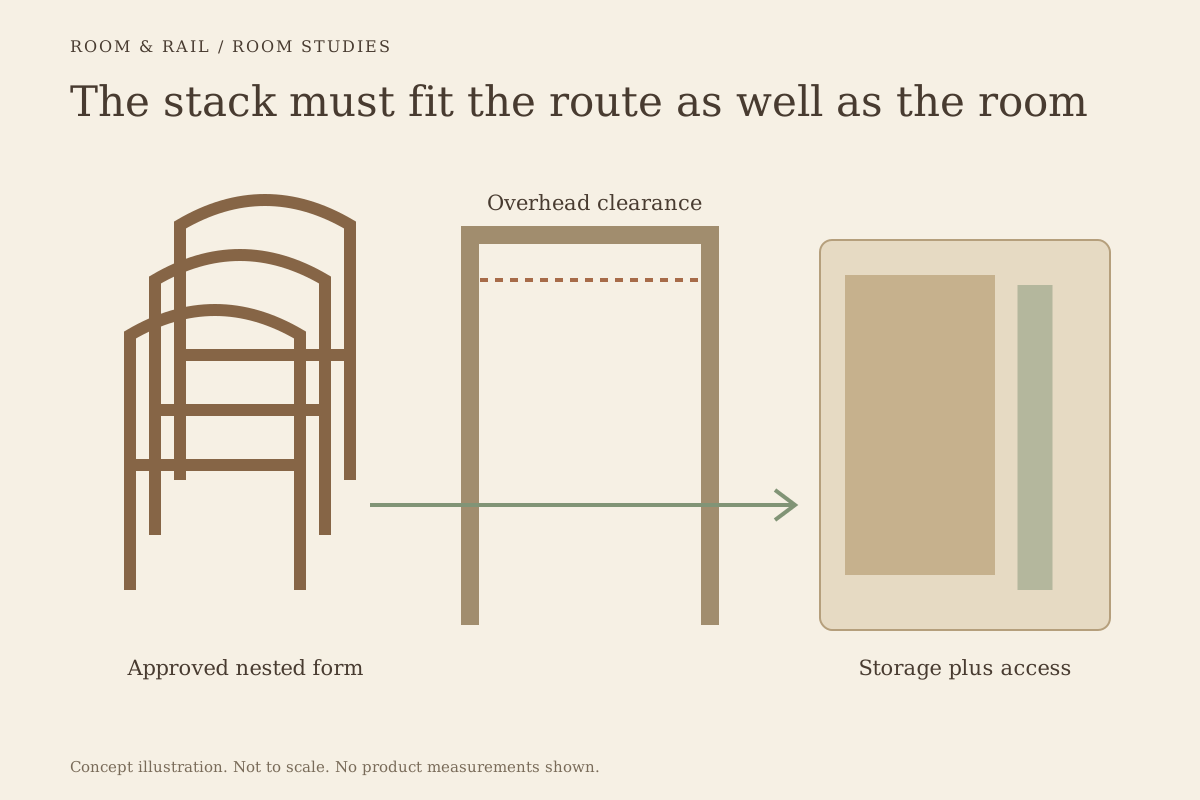
Ask for the applicable finish and care information for the selected model. Then review how the furniture will be handled, stacked, moved, and stored, since those activities can affect contact points and the appearance of the finish.
The patio-storage guide connects the storage arrangement to the furniture's actual construction. A coastal project should not solve the exposure question by creating avoidable rubbing or trapped moisture during storage.
Build maintenance around the site rather than a generic calendar
Fermob's metal-furniture guidance calls for more frequent cleaning in humid and salty coastal environments. That is a named manufacturer's care example, not a cleaning schedule automatically applicable to every product in this catalog.
The practical lesson is to obtain the exact model's routine and make it feasible at the site. Staff need access to the surfaces, suitable supplies, and time to carry out the approved process. A care requirement that cannot be performed in the installed arrangement should influence the purchase.
Review undersides and tight junctions as well as visible faces. The patio material comparison helps keep these assembly details in view when comparing metal, resin, and mixed-material products.
Keep the coastal palette grounded in actual samples
Pale frames, woven surfaces, and wood-like slats can all suggest a coastal interior, but their visual association does not establish their material identity. Choose the construction for the site, then develop the palette from the suitable alternatives.
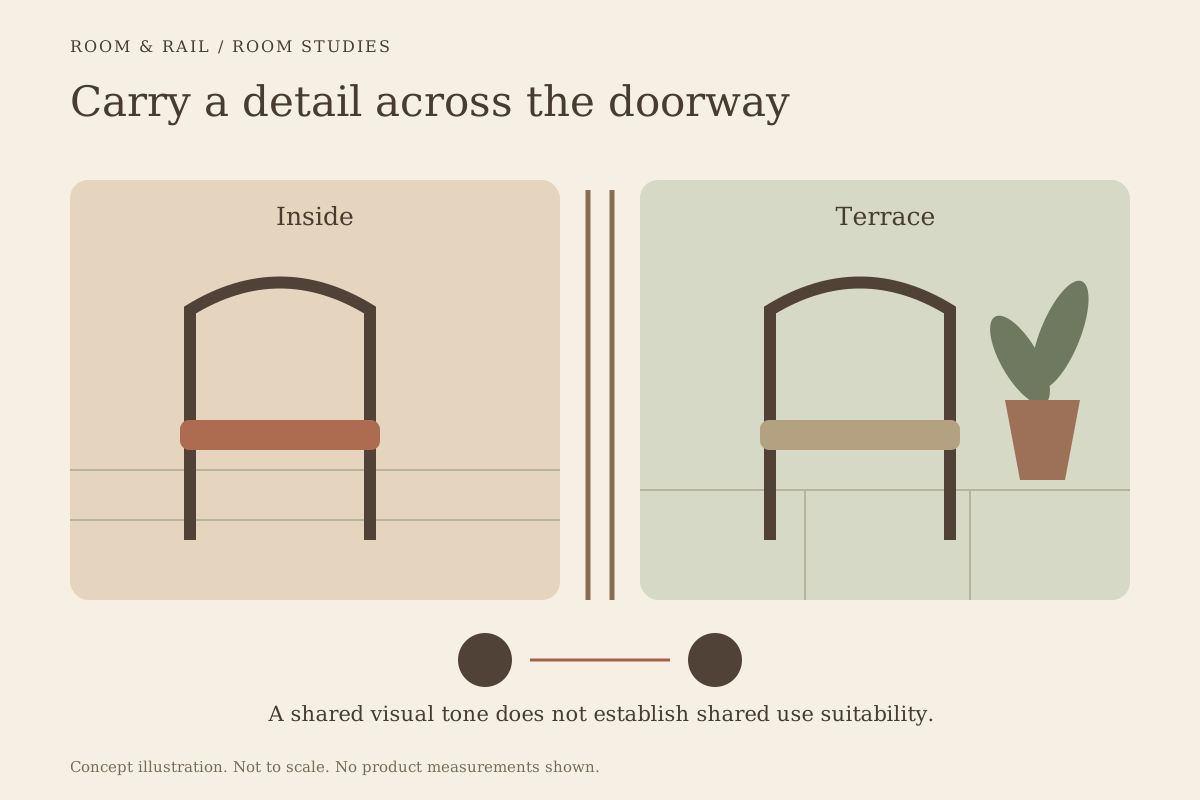
The indoor-to-outdoor palette guide shows how related shapes and tones can connect different materials. You can carry a warm tone from an interior chair to a synthetic patio seat without pretending that both surfaces have the same care requirements.
Compare samples against the actual paving and building finish. Bright daylight can change the apparent contrast between a white frame, pale stone, and a dark tabletop. The finish-sample method keeps that visual review separate from the technical exposure decision.
Plan for inspection and replaceable components
Choose an arrangement that lets staff see the parts that need periodic attention under the product's instructions. A continuous row pressed against a barrier may conceal the rear and underside, making ordinary checks harder than they need to be.
Identify the available approved replacement parts, such as glides or specific seat components, for the selected product. Their availability and compatibility should be confirmed rather than inferred from a generic hardware shape.
Keep patio chairs, tables, and their selected materials together on the finish board. If one component changes later, the record helps preserve the room's visual relationship while the new part receives its own suitability review.
Choose for the exposure you will maintain
The best coastal furniture decision combines a suitable documented assembly with a maintenance routine the restaurant can actually carry out. It does not depend on one material word or a promise that the finish will never change.
Resolve the exposed zones, exact construction, care requirements, and visual palette together. The patio can then feel connected to its coastal setting while the purchasing decision remains specific enough to support everyday use and later upkeep.