The room journal
Patio chairs after rain: look beyond the visible seat surface
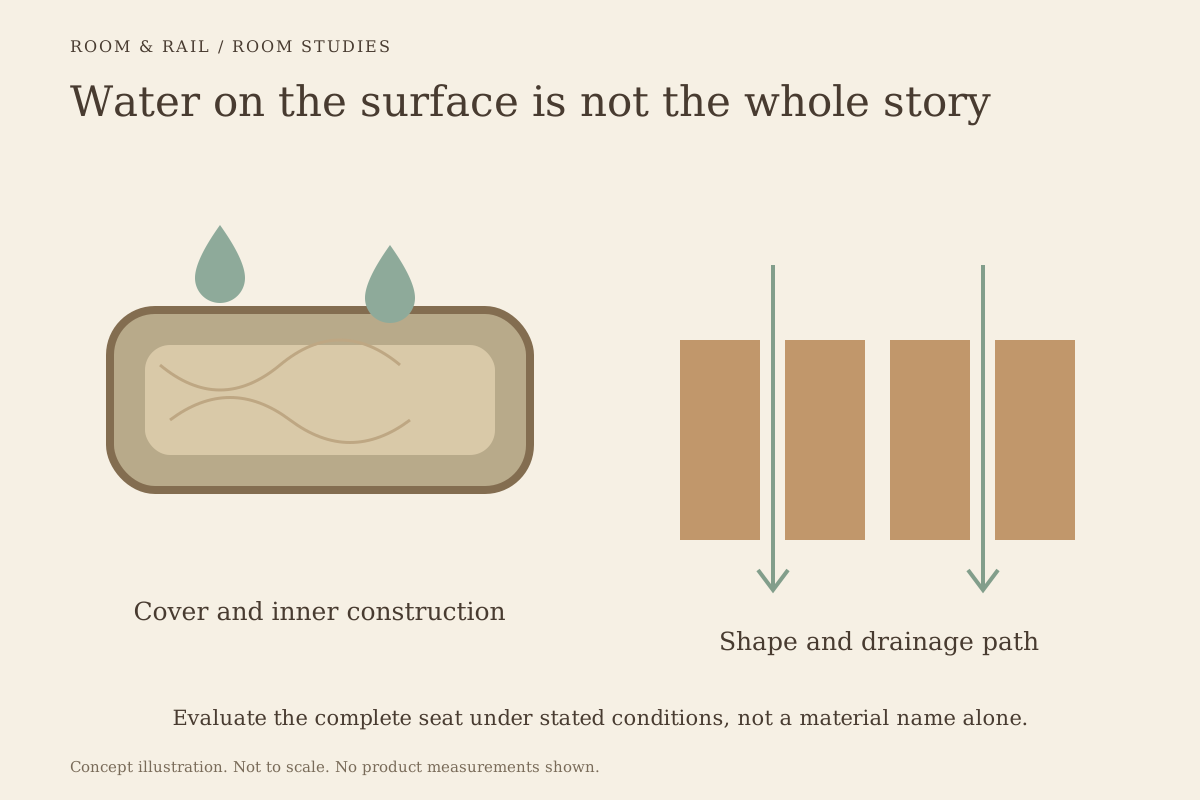
After a shower, the patio may look ready before every seat is ready to use. Water can remain in a molded seat, between slats, inside a cushion, or at a frame junction. The material name alone does not describe the route that water takes through the complete chair.
Compare the furniture through the restaurant's reopening routine. The useful question is which surfaces and components need attention before guests sit down, and whether the site can provide that attention consistently. A claim about a fabric or frame should not become an unsupported drying-time promise for the whole seat.
Open diagram at full size (new tab) ↗
Follow the water through the shape
Look at the seat's lowest points, gaps, seams, and transitions. A broad depression can hold water even when the material itself does not absorb it. Slats or openings can provide a path away from the seat, but their position and the chair's orientation determine what remains.
The Miles slat-back resin chair and Rowan perforated resin chair both list resin frame and seat materials with indoor/patio use. Their names identify different visible forms. Neither record supplies a measured drying time.
Review the actual seat and junctions rather than inferring drainage from the back pattern alone. A perforated-looking back does not tell you how the seating surface or underside behaves after rain.
Separate surface water from moisture inside a component
A smooth surface may be visibly wiped dry, while a cushion can contain moisture beneath an apparently dry cover. Rope or woven construction introduces its own layers and contact points. The complete assembly determines the process.
The Marina rope chair lists a rope seat and aluminum frame. That identifies the materials at a broad level, but it does not describe every internal layer or establish how quickly the chair becomes usable after wetting.
Obtain the actual construction and care information where drying behavior matters to service. The material-selection guide helps keep those questions connected to the full product rather than a single exposed surface.
Read water-resistant fabric claims carefully
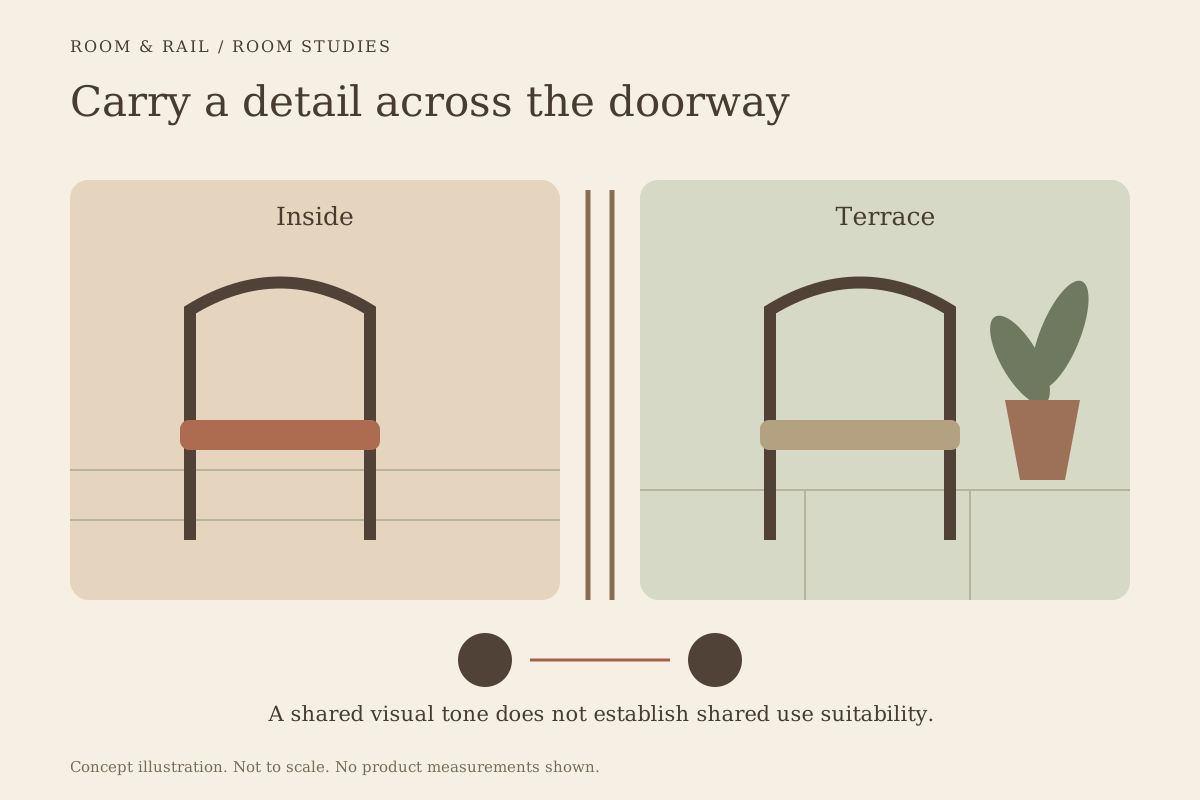
Sunbrella's own support information distinguishes fabrics with different degrees of water resistance, including products described as waterproof. That distinction belongs to the particular fabric. It does not establish the performance of every cushion made with the brand's materials.
A finished cushion also contains seams, closures, fill, and an underside. Those parts can affect how water enters, drains, and leaves the assembly. The cushion manufacturer needs to describe the intended construction and care method.
Do not apply a fabric claim to an unspecified cushion or assume that outdoor upholstery means an immediately dry seat after rain. The upholstery-material article uses the same principle indoors: evidence should follow the actual material and finished component.
Plan the first actions after the weather passes
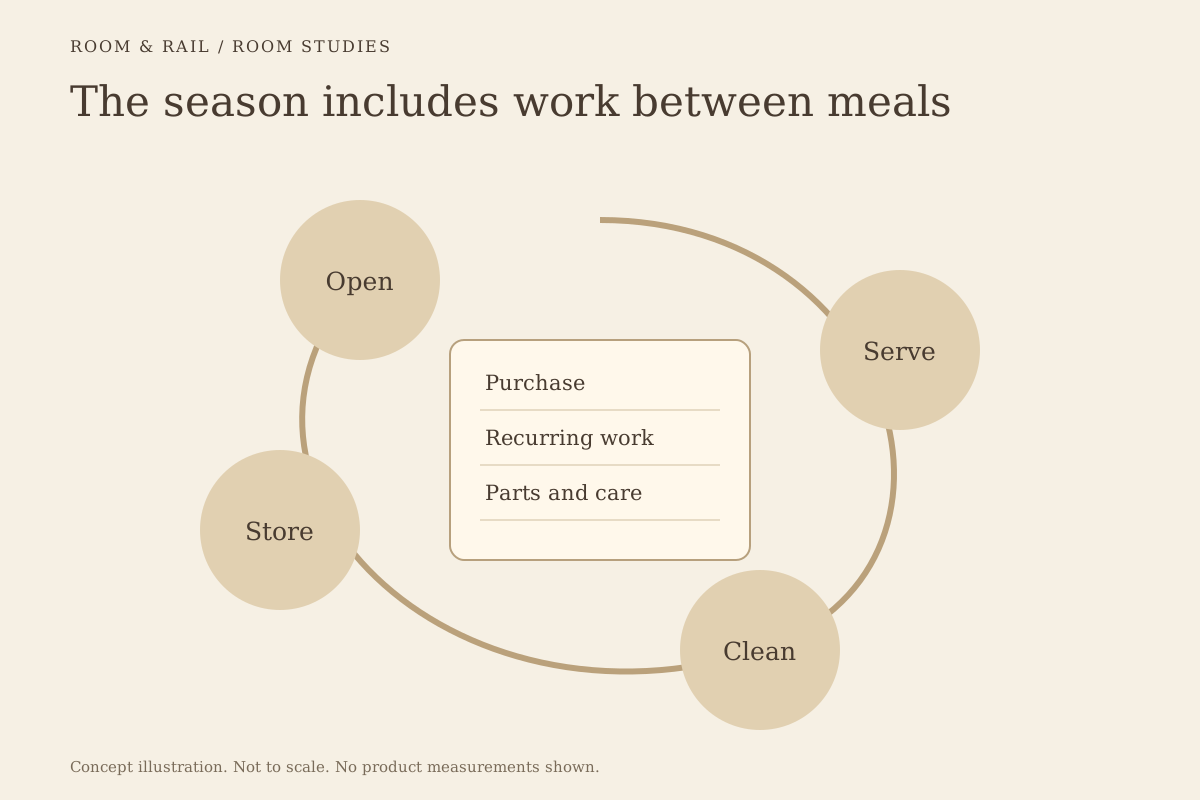
The opening team needs a repeatable way to review seats, backs, armrests, tables, and the surrounding floor. Follow the product's care instructions for removing surface water and handling any cushions or removable parts. Avoid unapproved heat, chemicals, or pressure as a shortcut.
Check the underside and junctions where appropriate, not only the face a guest sees. Water transferred from an armrest or back can be as unwelcome as a wet seat. The furniture should be ready as a complete contact surface.
The outdoor table guide adds the base and paving relationship. A table moved during the weather response may need its position and floor contact reviewed before the setting returns to service.
Compare samples under stated conditions
If reopening speed is a major purchasing criterion, arrange a practical evaluation of the actual products with the supplier's guidance. Use comparable exposure, orientation, and observation times. Identify whether the question is visible surface water, moisture in a cushion, or the whole setting's readiness.
Do not publish an exact drying-time ranking from a casual observation made under different conditions. Sun, airflow, humidity, construction, and the amount of wetting can change the result. A single trial is useful within its stated conditions, not a universal promise.
The sample-evaluation guide explains that boundary. A good comparison tells you what was observed and what remains unanswered, without turning an ordinary patio check into a laboratory claim.
Keep storage from preserving the wet condition
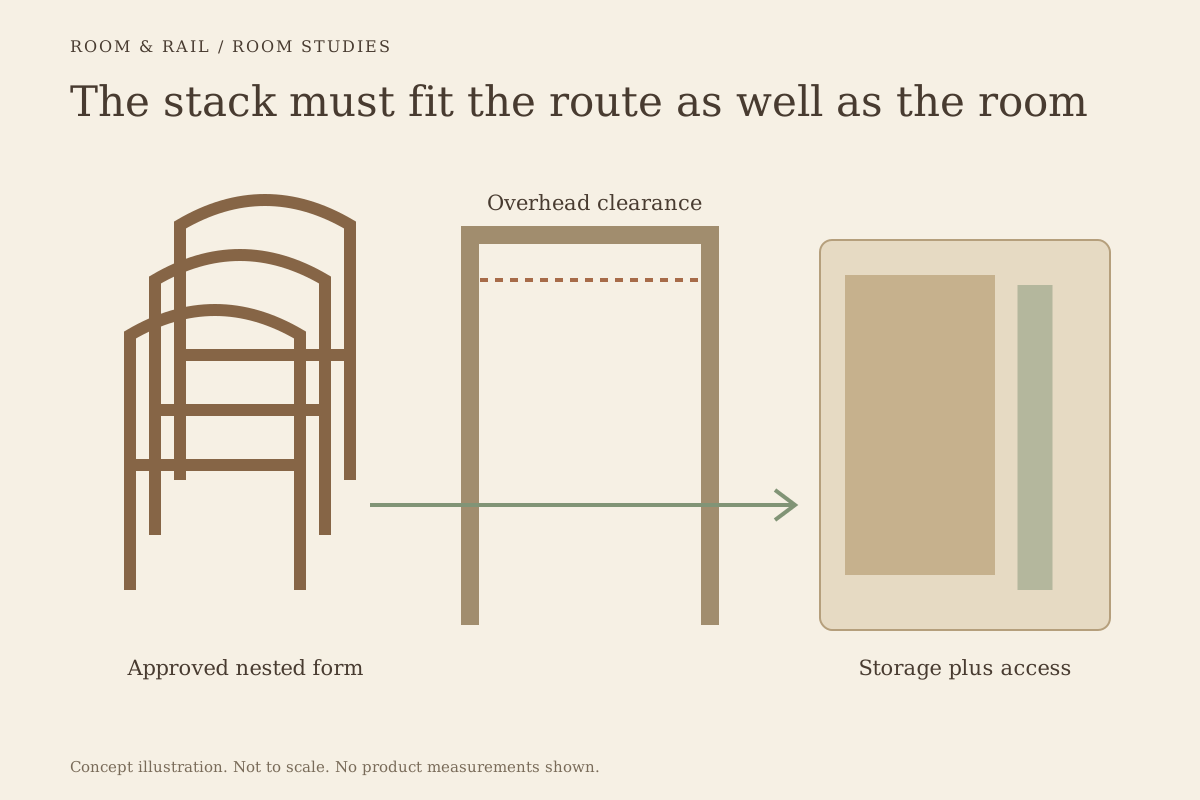
Stacking or covering furniture immediately after rain may change airflow and trap moisture at contact points. The permitted procedure depends on the actual product. Use the manufacturer's instructions for drying, nesting, covering, and seasonal storage.
The stackable-patio guide makes storage part of the furniture selection. A small storage room needs enough access and ventilation for the intended routine, not merely enough floor area to hold the quantity.
For cushions, identify a suitable storage location and the condition in which they should be stored. A convenient closed container is not automatically appropriate for a wet component.
Consider the table and floor as part of the same return to service
Guests encounter the whole setting. A dry chair beside a wet table edge or a poorly drained floor does not create a finished reopening. Keep the furniture routine coordinated with the site's cleaning and drainage arrangements.
Use patio tables whose complete assemblies suit the location, and follow their material-specific instructions. The tabletop cleaning guide explains why broad surfaces and edges can need different attention.
The layout should also allow staff to reach the furniture without moving wet items through occupied settings. A deliberate route can make the routine more manageable without requiring a different chair material.
Budget for the routine the selected furniture requires
Some assemblies may need more handling, separate cushion storage, or a longer interval before they are ready under particular conditions. Those requirements should be compared as part of the operating plan, not discovered after the full order arrives.
The seasonal-cost article helps include that work without inventing a service-life estimate. Keep the selected furniture and room quantities on the finish board so the process remains tied to the actual products.
Reopen the complete setting with confidence in what was checked
The most useful after-rain choice is a chair whose construction and care routine the restaurant understands. Drainage, internal moisture, contact surfaces, and storage all belong to that understanding. The fastest-looking surface is not always the whole story.
Compare the patio seating options through that complete process before deciding. The result should be a room that returns to service deliberately, with furniture ready for guests and clear limits on any drying claims used to support the purchase.