The room journal
Outdoor restaurant table stability starts at the actual paving
An outdoor table can rock because its feet meet an uneven surface, because an assembly connection has loosened, or because the top and support are poorly matched. Those are different problems. The patio adds another layer: paving joints, slopes, drainage, and changing table positions can alter the contact beneath the same furniture.
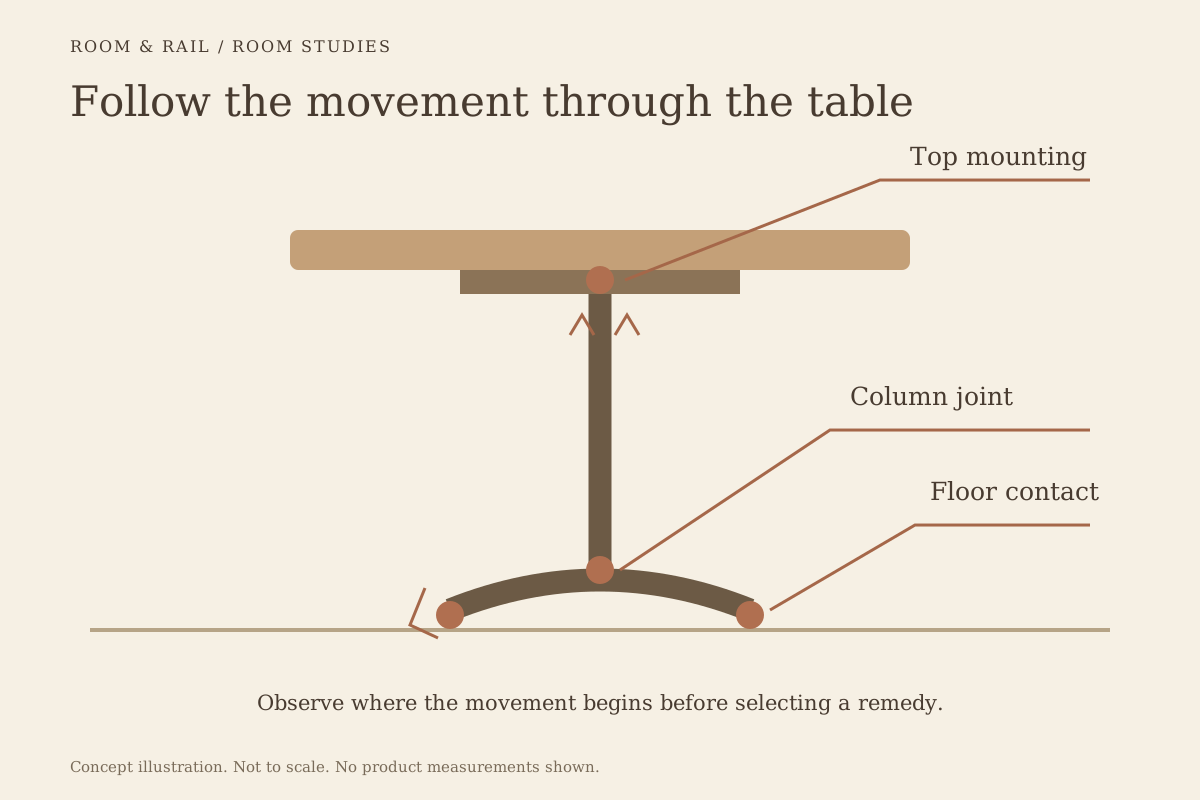
Begin by locating the movement rather than buying a heavier base immediately. Then review the actual top, support, floor contact, and use classification together. A stable-looking table in a product image cannot demonstrate how the complete assembly will behave on the restaurant's paving.
Open diagram at full size (new tab) ↗
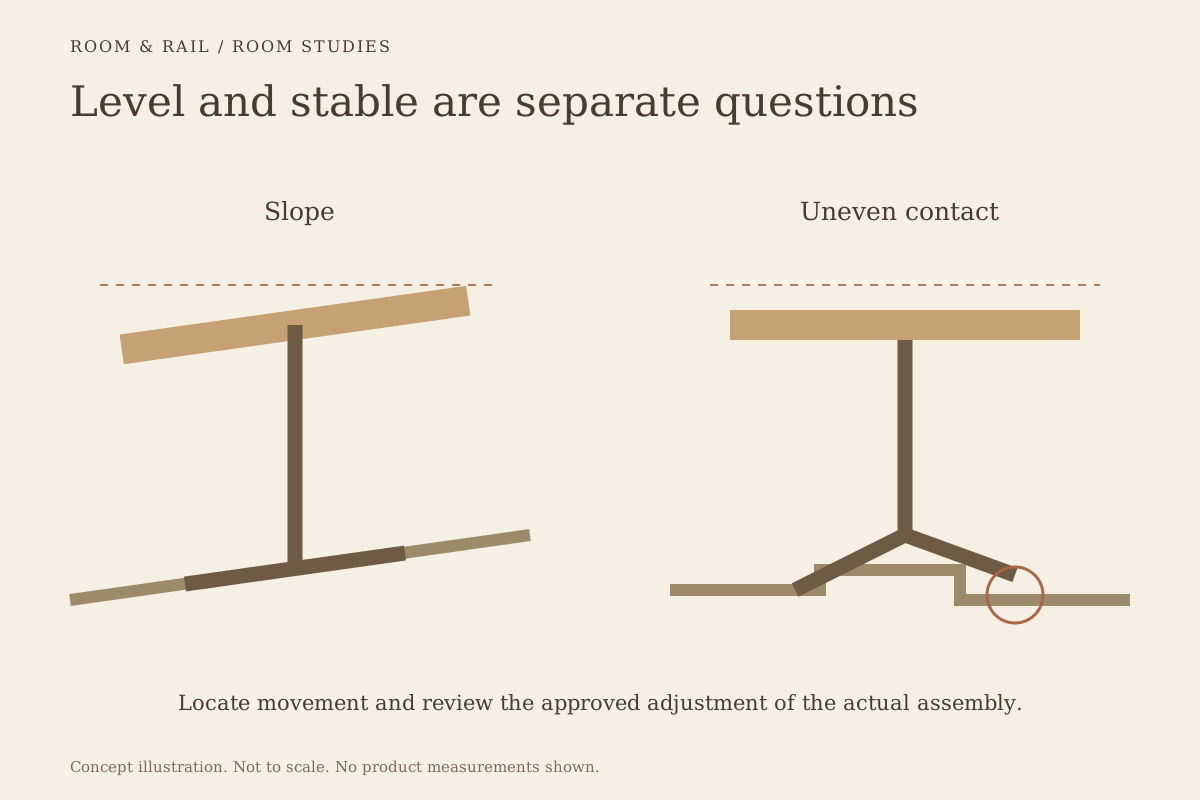
Separate rocking from a sloping surface
A table may stand without rocking on a slope while its top is not level. Another may have a nearly level top but rock between uneven contact points. The two observations call for different questions about placement and the adjustment the product permits.
The table-wobble guide explains how to distinguish floor contact from movement at the column or mounting plate. Use that approach outdoors before attributing every problem to the paving.
Have any damaged or loose assembly assessed and corrected according to the product instructions. An improvised wedge under one foot does not repair a failing connection elsewhere in the table.
Look at the paving beneath each footprint
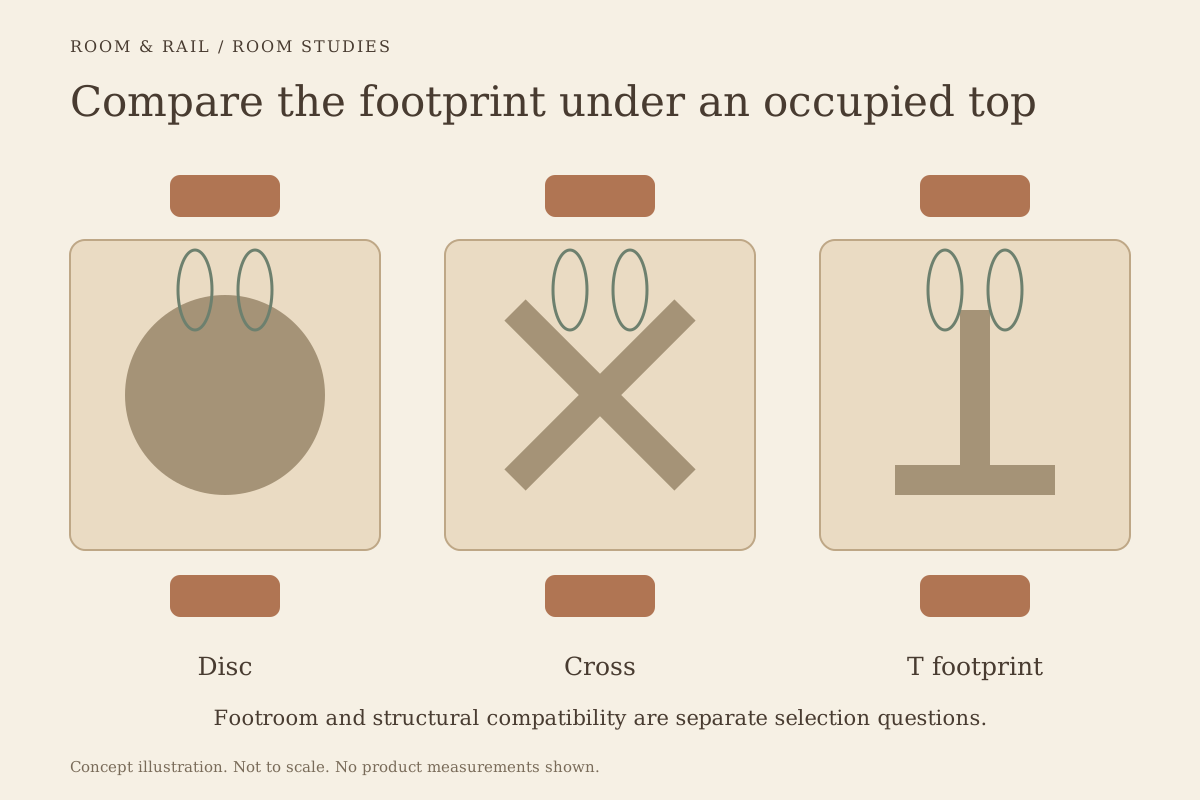
Paving joints, textured stone, drainage falls, and transitions between materials create different contact conditions. A broad disc, four-foot cross, and T base may meet those conditions differently. Moving the table a few inches can change which points sit over a joint or depression.
Mark the intended positions on your project plan before comparing the selected patio furniture. Review the actual footprint in each position, including the arrangement used when tables are joined or moved for a larger party.
The base-footroom article keeps the guest's feet in the same discussion. A footprint that meets the ground well still needs to leave the occupied setting usable.
Choose an outdoor assembly, not an indoor look-alike
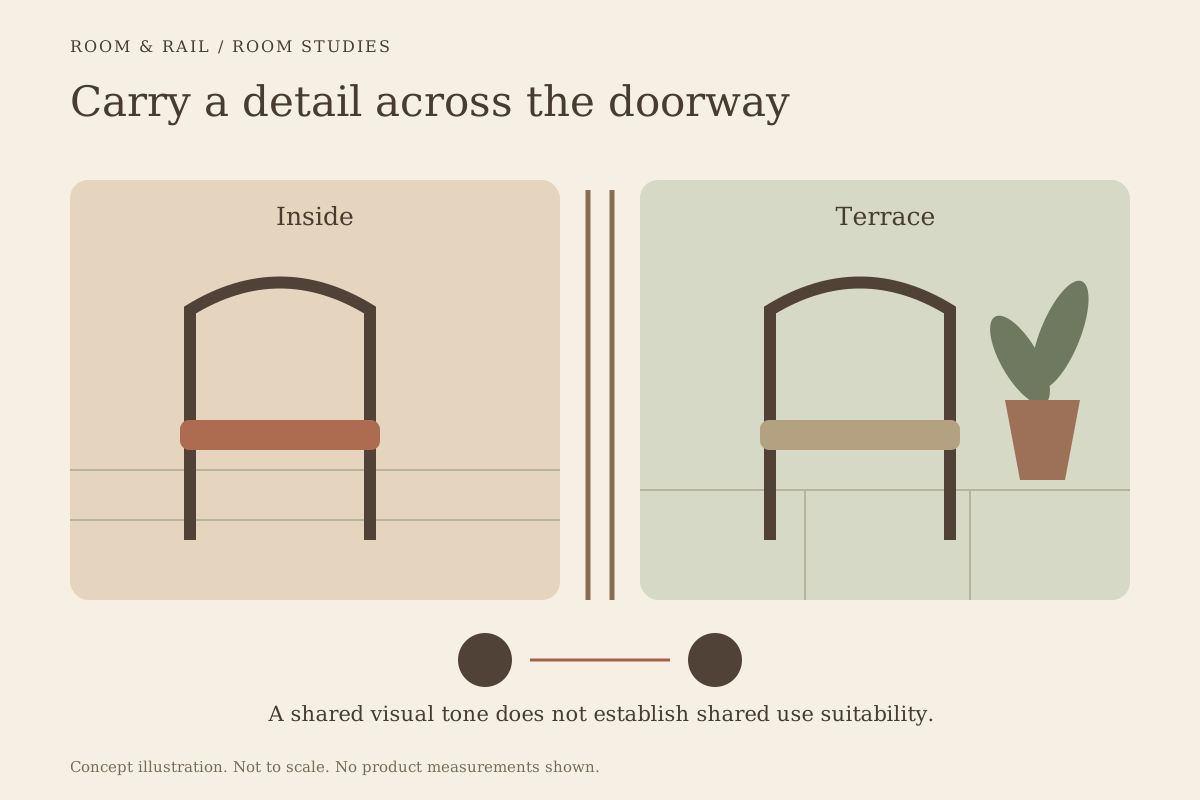
The round cast-iron base FRU-TB-RND-TABLE is listed for indoor use. Its resemblance to an outdoor pedestal does not extend that classification to a patio.
The folding aluminum base FRU-TB-19S is listed for indoor and patio use, with standard and bar-height options. The stainless round outdoor base also lists indoor and patio use. These records identify different product choices, not interchangeable versions of one base.
Match the selected support to an appropriate outdoor top. The use classification of one component does not automatically establish the suitability of the entire table assembly.
Understand what the feet can adjust
An adjustable glide, a self-leveling mechanism, and a fixed foot are different arrangements. Their range, operation, and compatibility belong to the actual product. A general leveling label does not mean a table can compensate for every slope or paving defect.
Review the manufacturer's instructions for the selected assembly. Identify how the adjustment is made, what contact the feet require, and which replacement parts are approved. Keep those details available for the staff or service provider responsible for the furniture.
The glide-selection article makes a related point for chairs: the component must match the furniture and floor. A familiar-looking thread or cap is not enough to establish compatibility.
Keep top size and support compatibility connected
A larger top changes the relationship between the supported center and the outer edge. A table may feel different when someone places weight near the perimeter than when its empty top is observed from a distance. The approved pairing needs to account for the actual size, shape, and weight of the top.
Use the complete table guide to compare the assembly. Do not select a smaller base only because it leaves more room between chairs, or a larger top only because it appears to fit the patio plan.
If a table incorporates an umbrella, its support arrangement introduces another set of requirements. A tabletop hole does not turn an ordinary base into an approved umbrella system, and wind exposure must be reviewed separately.
Review movement during ordinary service
Outdoor furniture may be shifted for shade, cleaning, or party size. Each move can put the same base on a different set of contact points. The opening routine should therefore include a practical check of the table in its actual service position.
The joined-table article helps evaluate a second arrangement. Two independently stable tables can still present different top levels or an awkward seam when brought together on uneven paving.
Review the seam and supports with the meal setting in place. Do not force the tops together or alter the mounting to hide a height difference without the product's approved method.
Keep drainage and circulation in the room review
A convenient table position should not block a drainage feature or push occupied chairs into a required route. The furniture plan and the site's paving design need to work together. Moving a table away from a depression may solve one contact problem while creating a circulation problem nearby.
The layout guide helps compare those relationships. Use real chair outlines and occupied positions, particularly where the patio narrows beside a wall or barrier.
For a substantial unevenness or unsuitable surface condition, involve the relevant site professional. Furniture adjustment should not be used to disguise a paving problem that needs a different remedy.
Include the care and storage of moving parts
Glides, folding joints, and leveling components are exposed to the patio environment. Their condition and operation should be checked according to the product guidance. Dirt, missing parts, or damage should be addressed through the approved service route.
The storage guide helps prevent the closing arrangement from becoming another source of impact or unintended loading. The table should be folded, moved, or stored only in the way permitted for the complete assembly.
Retain the base identity with the top and room group on the finish board. That makes later replacement or service more precise than identifying the support simply as the black patio base.
Make the stable setting repeatable
A satisfactory outdoor table rests properly in its intended position, uses compatible components, and remains workable for the guest and staff. Stability, level, footroom, and exposure are related questions, but each needs its own answer.
Resolve them with the actual assembly and paving before repeating the table across the patio. The furniture can then support a consistent dining setting instead of relying on a different improvised adjustment every time the room is reset.