The room journal
Restaurant patio furniture in direct sun: plan the contact surfaces
A patio chair can be suitable for outdoor use and still become unpleasantly hot in direct sun. Material durability, surface temperature, and comfort are different questions. The buying decision needs to consider the actual contact surfaces, their color, the duration of exposure, and the shade available during service.
Do not search for a material name that guarantees a cool seat in every condition. Instead, develop a patio arrangement that reduces unwanted exposure and compare actual furniture under representative conditions. The result should support the hours when the restaurant expects guests to use the space.
Open diagram at full size (new tab) ↗
Map the sun at the times you serve
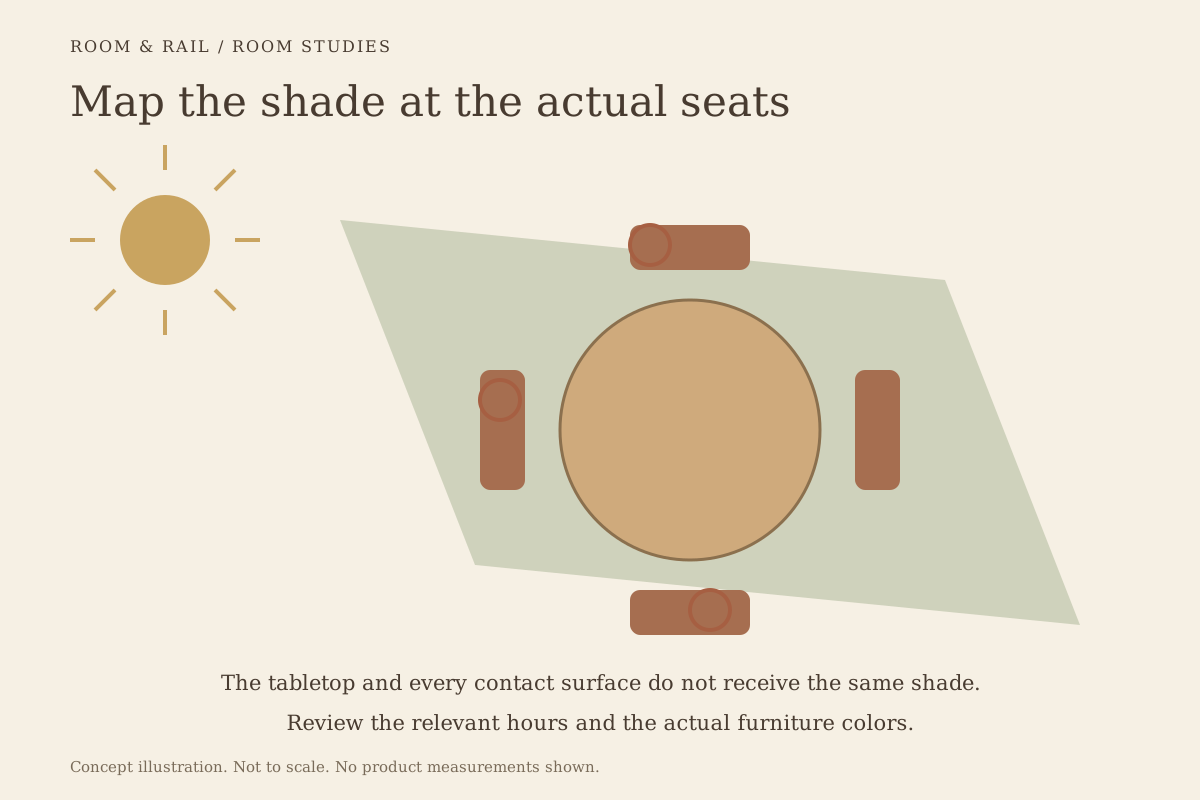
An empty patio photographed in the morning may look shaded while the lunch setting sits in direct afternoon sun. Building shadows, trees, roof edges, and neighboring structures change the exposure across the day. Individual seats around the same table may have different conditions.
Mark those changes on your own patio plan before comparing outdoor furniture. Focus on the actual service periods, including the time furniture remains exposed before guests arrive. A table moved into shade just before lunch may not begin with the same surface condition as one that has stayed there.
The layout guide helps connect the environmental observation with the furniture positions. Shade should support the occupied setting, not merely cover a decorative area of paving.
Compare the surfaces people actually touch
The seat, armrests, back edge, and tabletop can have different materials and exposure. A chair with an aluminum frame and synthetic seat is not one uniform contact surface. The armrest may remain in sunlight when the seat is shaded.
The black aluminum armchair FRU-ERAT-64-AR lists an aluminum frame and plastic-teak seat, with Black and Dark Walnut as the respective colors. The white aluminum armchair FRU-ERAT-98-AR lists a White frame and Grey plastic-teak seat. These are specific material and color combinations, not measured heat comparisons.
Review every contact area on the actual model. The product photograph may emphasize the seat while leaving the armrest or upper back in shadow, so a visual comparison alone cannot settle the heat question.
Use color as one factor, not a temperature promise
POLYWOOD's own guidance notes that prolonged direct sunlight can heat wood, aluminum, and HDPE furniture, and recommends shade and lighter colors as preventive choices. That is useful manufacturer guidance, but it does not provide a measured temperature difference for the products in this catalog.
A lighter option may be worth considering where it fits the room palette, yet the actual result depends on the full surface and conditions. Do not attach a degree difference to Black versus White without a valid comparison of the specific products.
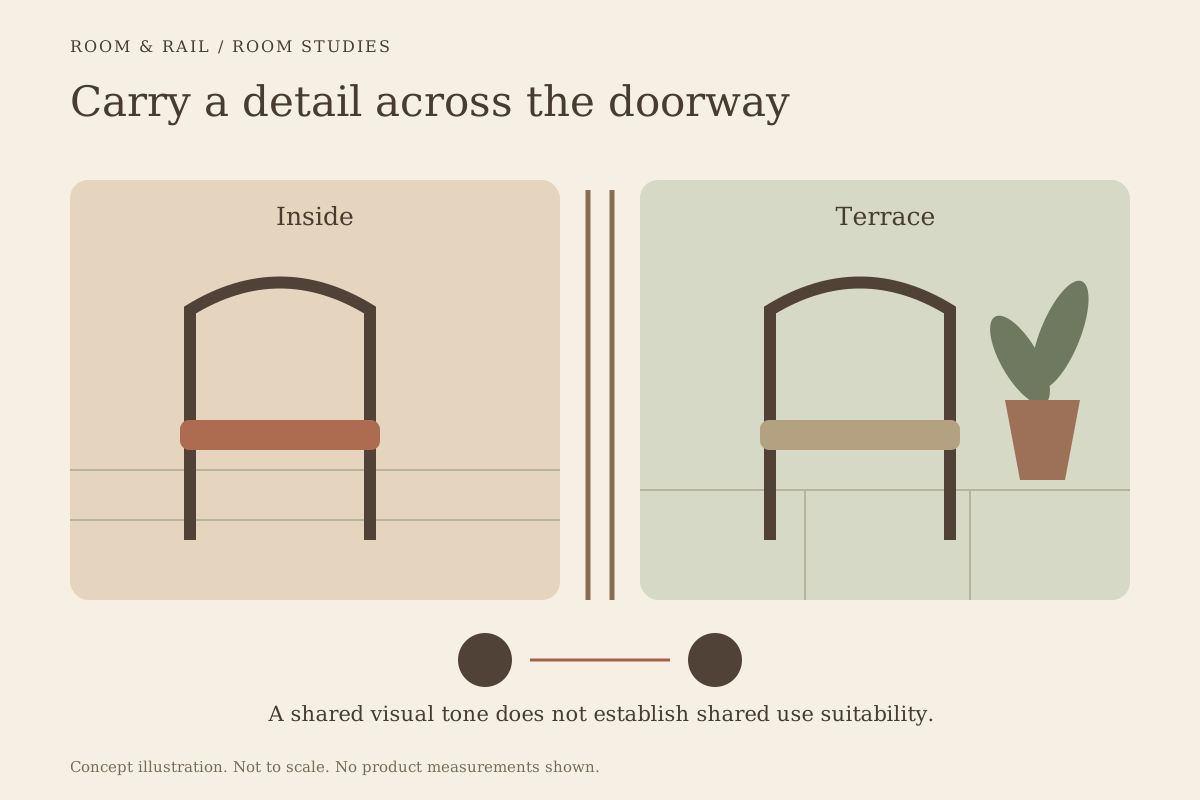
The outdoor palette article helps relate lighter patio choices to a darker interior. A repeated shape or restrained accent can preserve continuity without forcing the same exposed surface color everywhere.
Treat shade as part of the furniture setting
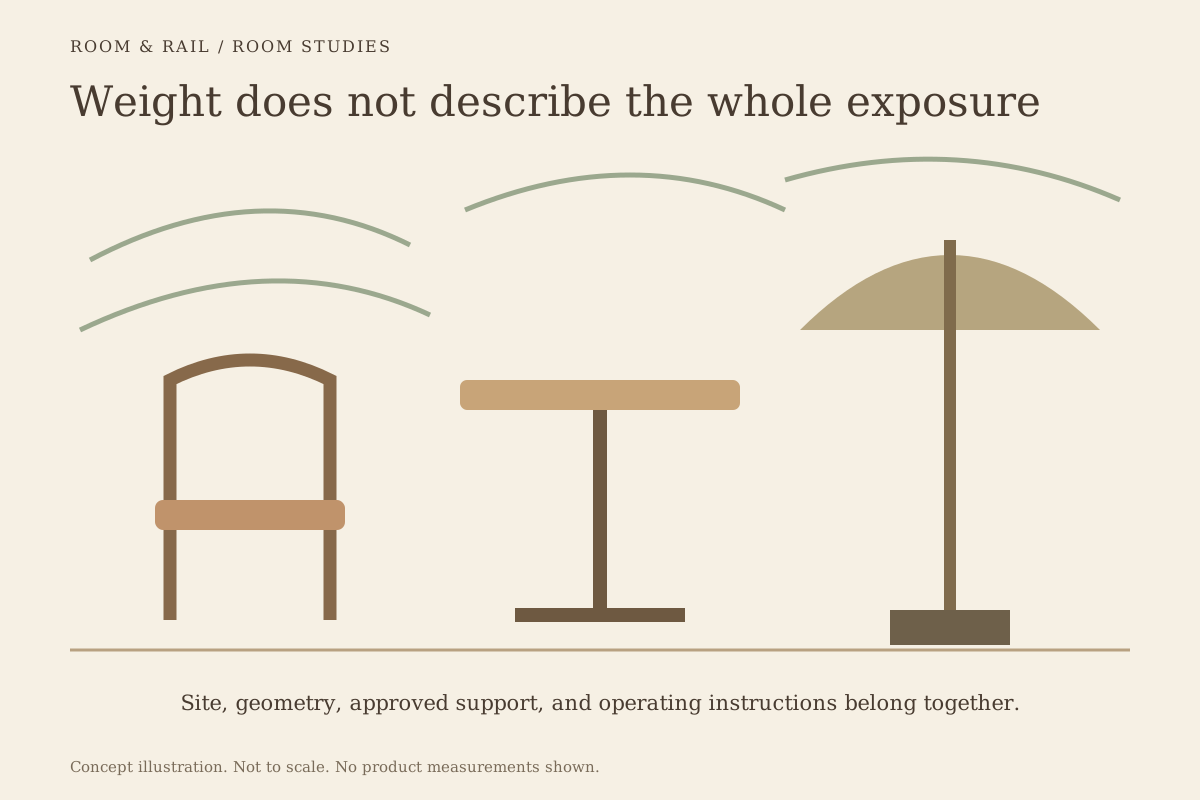
An umbrella casts a changing shadow rather than a permanent circle directly beneath its canopy. Its position must relate to the table, seats, sun direction, and approved mounting arrangement. A table hole alone does not complete that system.
Review the shade at the chair positions and contact surfaces during the relevant hours. A canopy that shades the tabletop while leaving the seats exposed may not address the comfort concern that prompted the purchase.
Shade equipment also has its own operating and wind requirements. The wind-exposure guide keeps those considerations separate from furniture weight or the appearance of a large canopy.
Make a product comparison that can answer a real question
If surface heat is a deciding factor, compare actual samples or complete products in the same location and conditions. Identify the time, exposure, surface, and measurement method. Keep a shaded reference if the question is how the seating arrangement changes the result.
Do not ask guests or staff to sit on a surface that may be dangerously hot as a test. Use a suitable measurement approach and product guidance. A hand-touch impression alone is neither a reproducible temperature measurement nor proof that the surface is suitable for every user.
The sample-evaluation guide explains the limits of a practical trial. A recorded observation can help compare those conditions, but it should not be presented as a universal thermal rating or a prediction for every summer day.
Keep cushions within the actual product plan
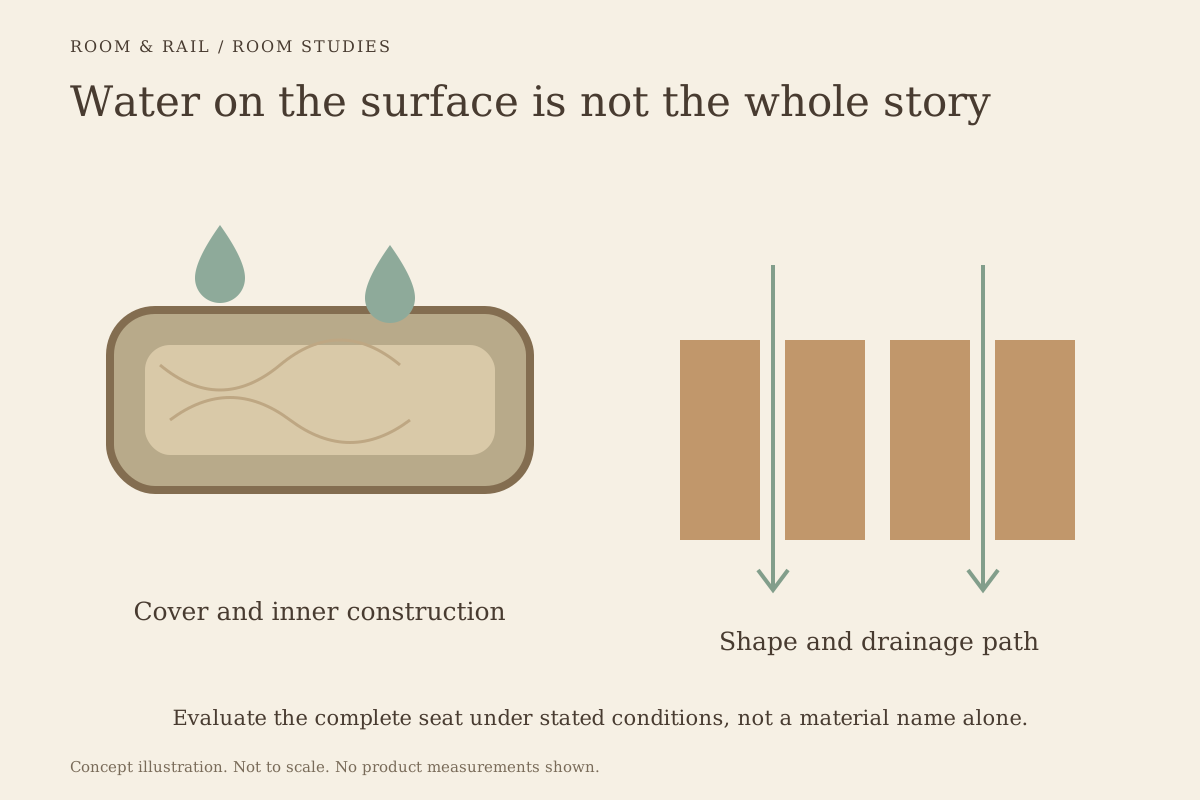
A cushion can change the contact surface, but it also adds fastening, care, storage, and drying questions. It should be suitable for the furniture and environment, and its placement should not interfere with the chair's intended fit or stability.
The rain-recovery article examines why the cover material alone does not describe how a complete cushion dries. A heat-related change should not create a wet-seat problem that the operation has no way to manage.
If cushions are part of the plan, include where they are kept before opening and how they are secured or removed according to the product instructions. Their appearance belongs beside the frame and tabletop on the finish board, rather than as an uncoordinated afterthought.
Review glare as well as contact heat
A bright surface can create a strong reflection that affects menu reading or the view across the table. This is a separate issue from its temperature. The preferred finish needs to work for the eyes and the occupied contact surfaces together.
Use the actual plates, glasses, and menu in the sample setting. Rotate the view through the positions guests will occupy. A surface that looks attractive from the entrance can reflect light differently toward a seated diner.
The table-edge study is also useful outdoors, where the repeated perimeter can appear strongly against bright paving. Compare the whole table rather than reducing the choice to the lightest available swatch.
Build a patio that suits its service hours
The strongest response to direct sun combines suitable furniture, deliberate shade, appropriate color choices, and a realistic opening routine. It does not promise that one material will stay cool without regard to exposure.
Choose from the patio seating range with those conditions in mind, then review the complete setting before repeating it. The furniture can look intentional and feel usable because the room planning accounts for the sun that guests will actually encounter.