The room journal
French bistro patio chairs: separate the familiar look from the construction
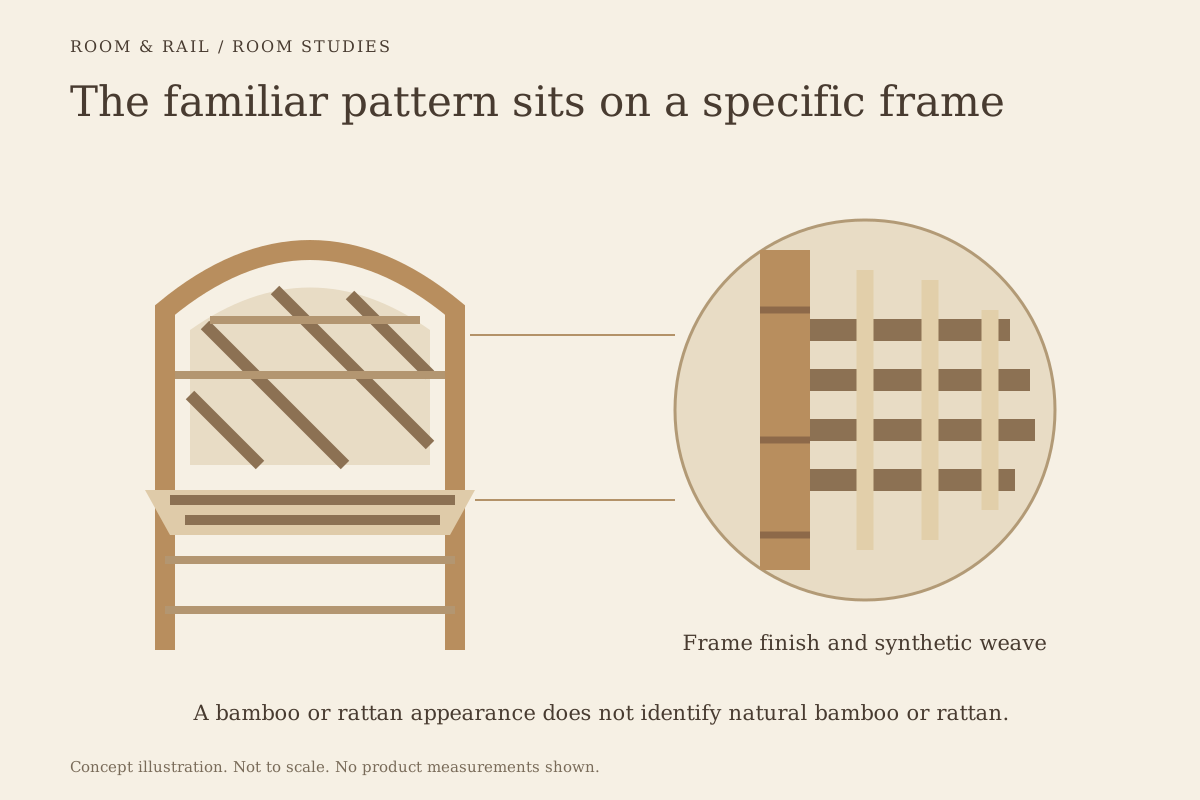
French bistro chairs often bring a recognizable combination of a light frame, woven pattern, and contrasting colors to a patio. That visual language does not identify one material. A bamboo-looking frame may be aluminum, and a rattan-looking seat may be synthetic rather than natural fiber.
Choose based on the actual construction as well as the pattern. The frame, weave, joints, arms, and approved use determine how the chair belongs in the restaurant's operating plan. The design can still feel familiar and expressive while the material description remains precise.
Open diagram at full size (new tab) ↗
Separate the look from the material
The black-and-cream chair FRU-135 lists an aluminum frame with a bamboo look and a faux-rattan seat. It is listed for indoor and patio use, with a Natural frame color and Black/Cream seat colors. Those facts describe a mixed-material product, not a natural bamboo-and-rattan chair.
The distinction matters for care and purchasing. A cleaner, treatment, or repair method used for natural cane should not be transferred to a synthetic weave without the product's instructions. The same applies to the coated frame beneath the bamboo-like appearance.
The cane-material article explains how similar visual terms can refer to different constructions. Use the actual product record when developing the patio specification.
Read the pattern across a group of chairs
A two-color weave can appear restrained on one chair and lively across a full terrace. The pattern's scale, direction, and contrast create a repeated field around the tables. Its visual effect depends on how many seats appear together and what lies behind them.
Compare the weave with the paving, wall finish, and selected tabletop. A heavily patterned chair beside an expressive top can make a small setting feel busy. A quieter tabletop may allow the chair to carry the main detail.
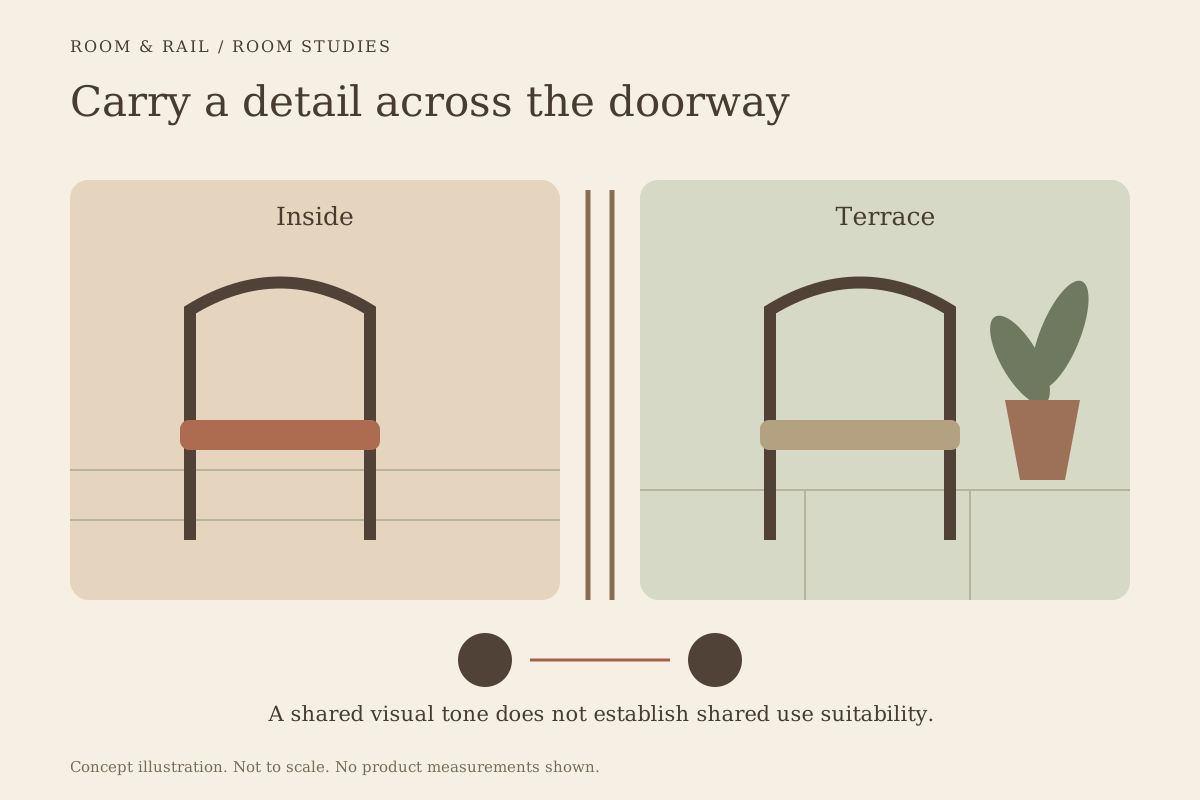
The outdoor palette guide helps connect the patio to the interior through a shared tone or curve. The connection need not depend on using the same material inside and outside.
Compare armchairs and side chairs through their actual outlines
The FRU-135 side chair lists an 18 1/8-inch width, 20 7/8-inch depth, and 34 1/4-inch height. The FRU-401 armchair lists a 21 7/8-inch width, 22 1/4-inch depth, and 34 5/8-inch height, with a faux-rattan seat and bamboo-look aluminum frame.
These are different products and color combinations, not the same chair with an arm added. Their dimensions provide a concrete starting point for a layout comparison, but they do not establish the clear opening between arms or a dining capacity.
The armchair-versus-side-chair guide explains how outside width, approach, and the occupied position differ. Review the actual chair against the table support and route rather than choosing only from the visible back pattern.
Examine how the weave meets the frame
The edges and attachment points deserve as much attention as the center of the pattern. Look at the transition around the seat front, back perimeter, and arms where present. Those locations affect appearance, cleaning access, and the scope of any future repair.
A photograph may show the main field clearly while concealing the underside. Obtain a representative product or detailed information when the construction is important to the decision. Do not infer the attachment method from another chair that uses a similar pattern.
The outdoor specification guide keeps these component questions connected to the intended use. A broad patio classification does not answer every detail of the weave or frame.
Use the approved care routine for the actual assembly
Synthetic weave and a decorative frame finish can require different attention from natural rattan or untreated wood. Follow the selected product's instructions for cleaning, drying, and storage. Avoid applying a natural-fiber conditioner because the chair happens to resemble a traditional bistro form.
Review how food and moisture can collect at the junctions. The after-rain guide explains why a woven appearance does not establish a measured drying time for the complete chair.
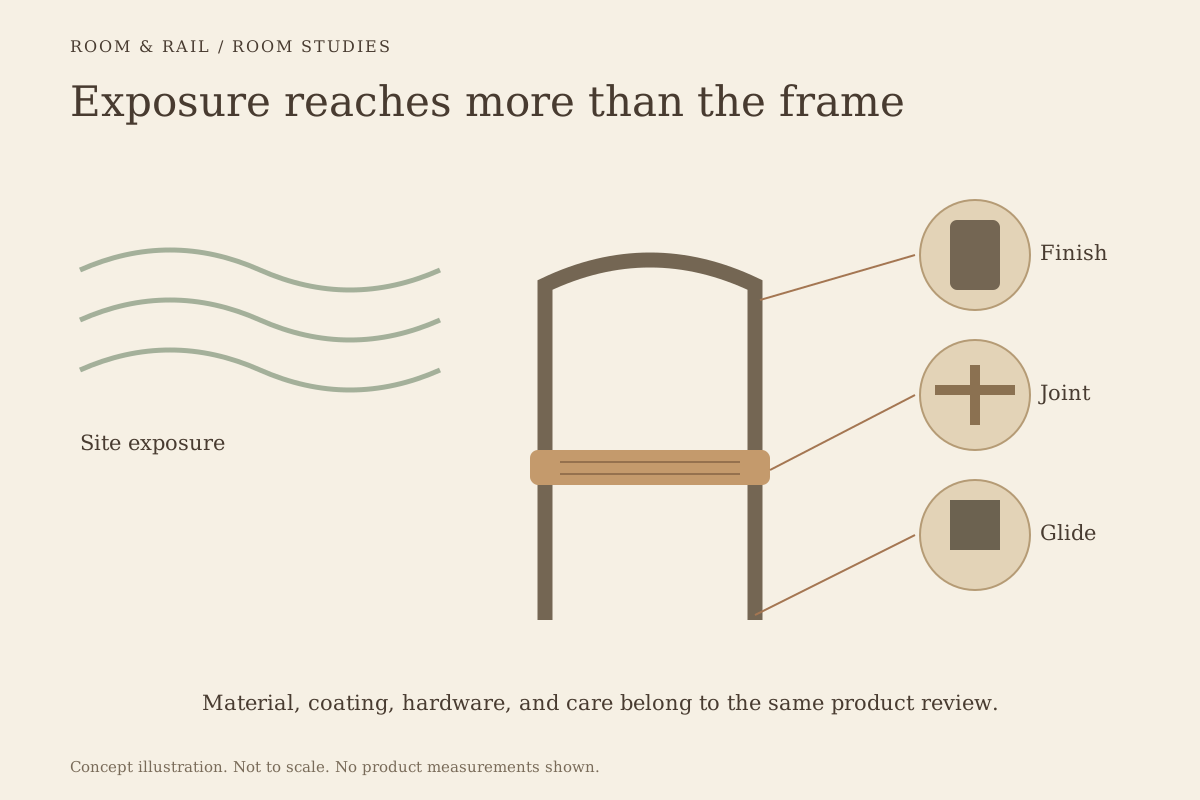
For coastal exposure, the frame, finish, fasteners, and weave all belong in the suitability discussion. The beach-like visual character of the chair is separate from evidence about salt or humidity.
Confirm stacking beyond the feature label
Both FRU-135 and FRU-401 are listed as stackable, with individual weights of 7 and 10 pounds, respectively. Those records identify a feature and weight difference. They do not provide an approved stack count, nested dimensions, or a handling method.
The storage-planning article shows how to resolve those details. Review the actual contact points in the stack so that the intended nesting does not become avoidable rubbing against the decorative frame or woven surface.
Keep different models separate unless the manufacturer explicitly permits them to stack together. Similar silhouettes do not establish compatible nesting, particularly where arms or seat widths differ.
Ask what replacement would preserve
A worn woven panel may not be supplied as a separate replacement, and reweaving can depend on the product construction and available material. Determine the approved service route before assuming the chair can be repaired like a traditional natural-rattan piece.
If a complete chair must be replaced later, pattern direction, frame tone, and weave color can affect how the new piece relates to the existing group. Retain the exact model and material references rather than recording only French bistro chair.
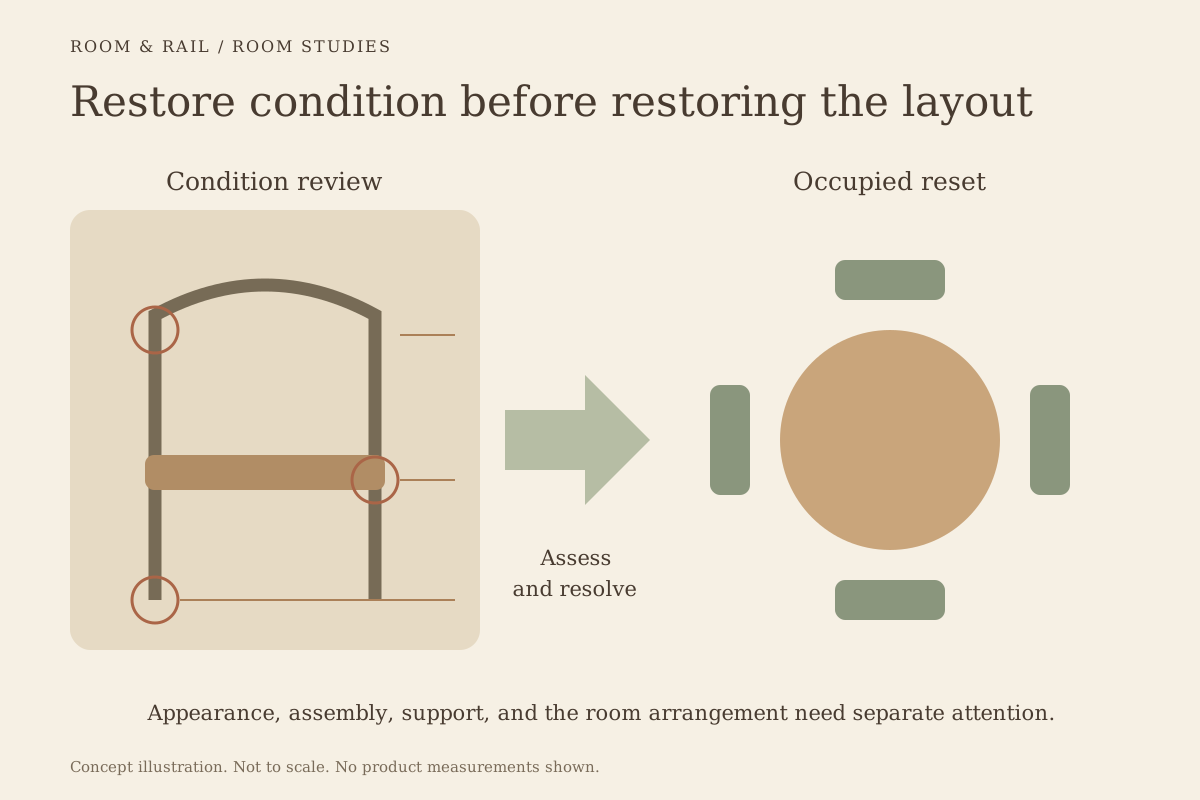
The patio reopening guide helps distinguish a surface concern from a frame or attachment problem. A visual refresh should follow the condition assessment rather than conceal an unresolved defect.
Let the chair pattern have a clear place in the room
A bistro chair can provide the patio's recognizable detail while the surrounding furniture remains calm. Its frame line, weave, and color should relate deliberately to the table, building, and interior view.
Look at one chair close up and at a whole row from across the patio. A fine woven contrast may read as texture nearby and as a strong repeated band at a distance. That change in scale can determine whether the table edge needs to be quieter or more distinct.
Save the selected bistro seating on the finish board with the exact table and room group. The result can retain the appeal of the familiar style while being specified and maintained as the actual modern furniture assembly it is.