The room journal
Cane restaurant chairs: identify the material beneath the pattern
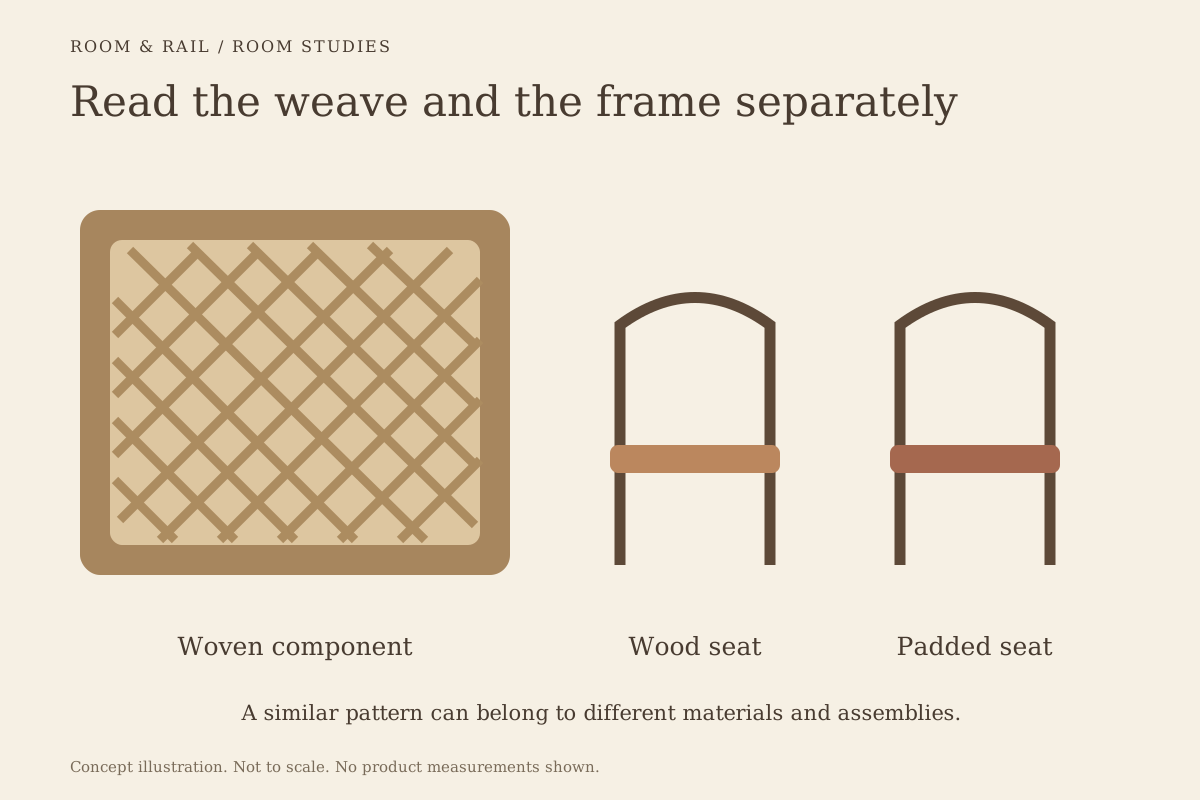
Cane restaurant chairs bring a woven surface into the room, but the style name does not describe the whole chair. The weave may occupy the back while the seat is wood or upholstery. The surrounding frame may be wood or metal, and a similar woven appearance can belong to a different material altogether.
Begin by identifying which part is woven and what that material actually is. That distinction gives the selection more substance than a broad natural-look brief. It also helps separate the visual role of the pattern from the care and use questions attached to the finished product.
Open diagram at full size (new tab) ↗
Locate the weave within the chair
A woven back and a woven seat have different positions in the furniture. A back introduces texture into the view across the room, while the seat forms part of the sitting surface. Do not describe an entire chair as cane seating if only the back carries the weave.
The FRU-401070 chair lists a wood frame and a wood seat, with Cane recorded as its style. That information identifies the seat material separately from the visual back treatment. It does not provide every detail of the woven component's composition or attachment.
The FRU-879 model uses a metal frame and offers several seat choices. A related cane-style appearance therefore does not imply the same underlying frame or seat specification. Compare the complete model record rather than grouping all cane chairs as one construction.
Separate natural canework from a synthetic look
Natural canework and synthetic woven materials are different categories, even when their patterns appear similar in a small photograph. Thonet describes natural chair cane as strips taken from the outer portion of rattan. Its material information also explains how prepared woven sheets can be fitted into a surrounding seat frame.
Those details explain a material and a manufacturer's construction approach. They do not establish that every chair with a cane-style back uses the same substance or method. Request the actual woven-material description for the model being considered when the listing does not supply it.
The FRU-135 patio chair provides a useful contrast: its record explicitly identifies faux rattan and an aluminum frame with a bamboo look. It should not be described as natural bamboo and rattan. The appearance can still serve the palette while its material identity remains accurate.
Read the frame as a separate design element
The woven area sits within a border, and that border changes how the pattern is seen. A dark metal outline may create a stronger contrast than a related wood tone. The overall effect depends on the actual frame geometry and the amount of weave visible through it.
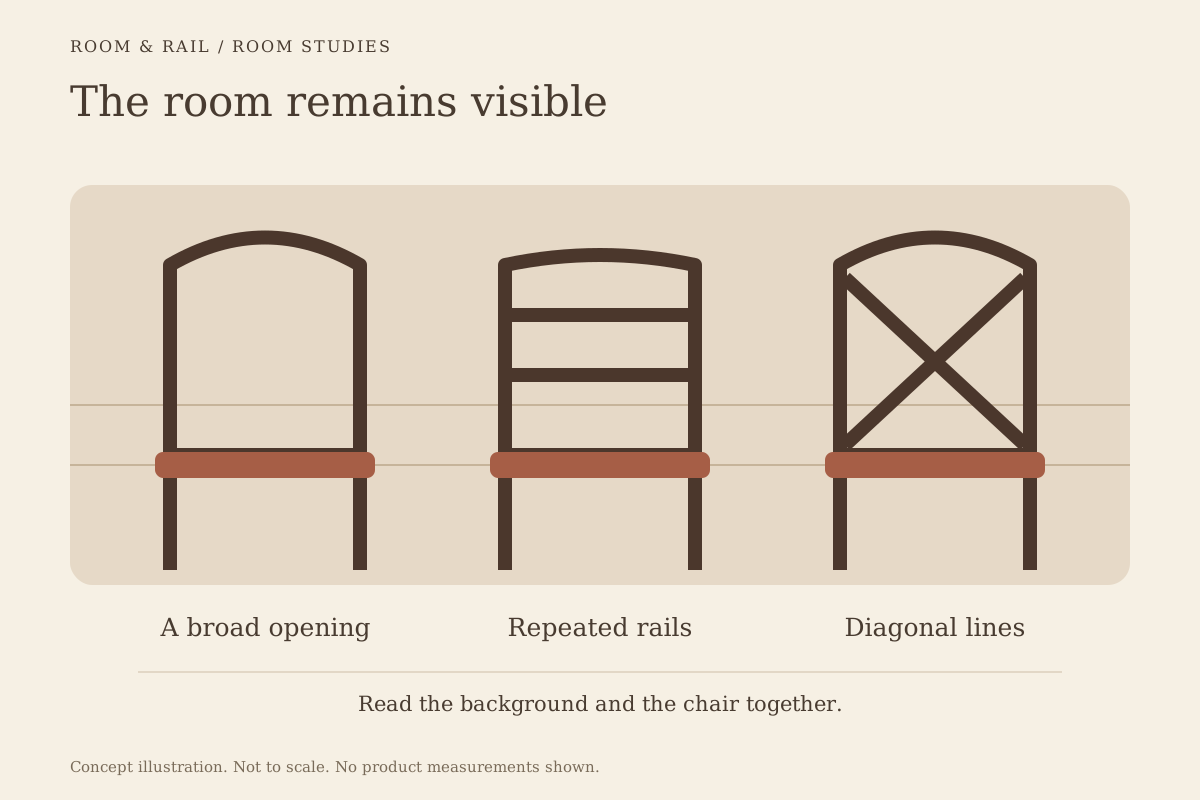
Use the open-back chair guide to compare the view through the seating. A woven back creates a different visual filter from a broad opening or a solid upholstered panel. Review it against the real wall or booth behind the chair, where another pattern may appear through the weave.
Keep the materials notes beside the visual references. A Black frame option and a Natural back option identify separate choices where offered. They should not be collapsed into a generic chair color that hides which part changes.
Consider the pattern beside the table and floor
A cane-style back can add a fine repeated pattern even when the room uses few colors. Compare it with the table grain, floor direction, and wall details. The question is whether those patterns have clear roles, not whether texture is automatically appropriate for a particular restaurant theme.
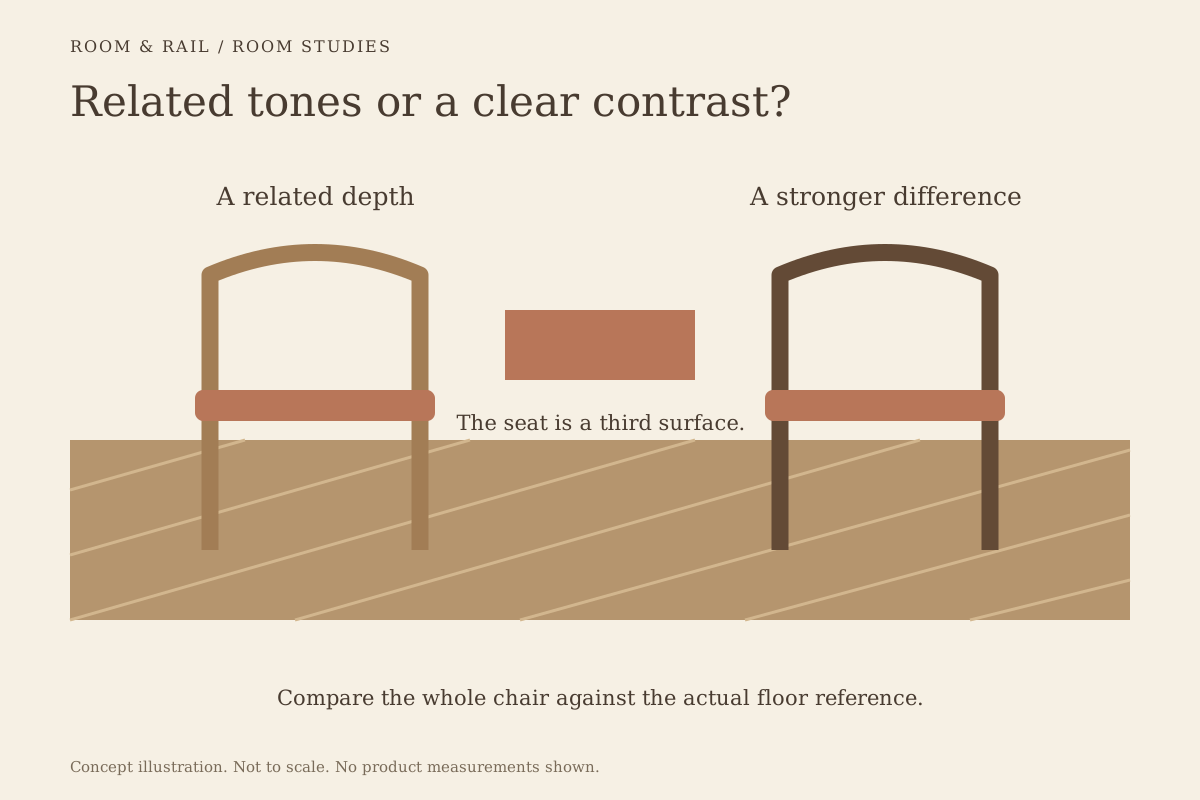
The wood-chair and floor guide helps separate tone from pattern. A wood frame may relate to the floor while the woven back introduces another surface. If the tabletop also has a pronounced pattern, test a quieter seat choice before adding more competing detail.
The table edge guide adds the horizontal line that sits beside the chair. A narrow contrasting edge can remain visible against the weave, while a broad edge may conceal part of the back from some views. Judge the actual combination rather than the isolated chair image.
Distinguish a material feature from a condition concern
Natural woven material can show variation, while a broken strand or damaged attachment raises a different question. The applicable manufacturer's guidance should explain what is expected and what requires review. Do not transfer another brand's warranty language or repair procedure to a chair simply because both use canework.
Thonet's own guidance discusses natural variation and model-specific reinforcement beneath some of its woven seats. That illustrates why the construction details matter. It does not prove that a woven back or seat from another manufacturer contains the same reinforcement.
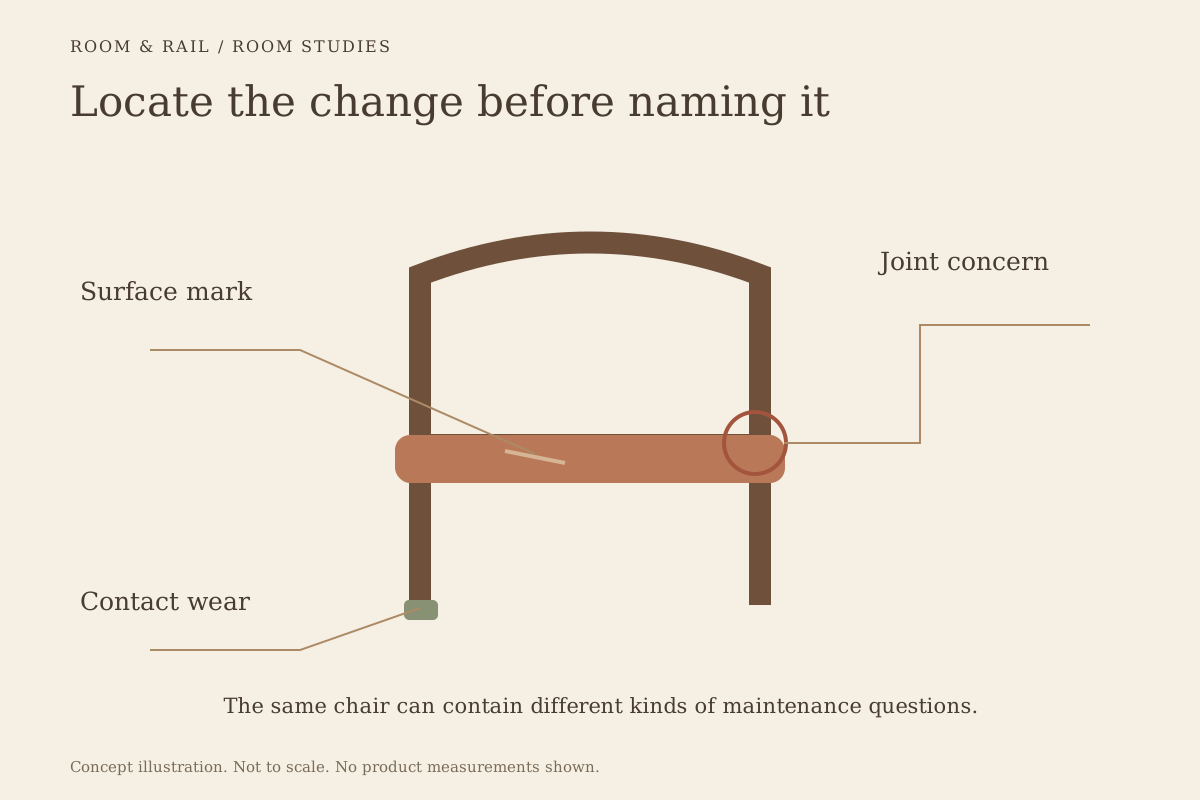
The chair wear review provides a way to identify the affected area and route the concern appropriately. A broken or loose component should not be dismissed as a natural-material characteristic without the relevant assessment.
Keep care instructions tied to the exact weave
Do not apply a generic soaking, oiling, or humidity-treatment recipe to an unidentified woven material. A method intended for one natural canework construction may be unsuitable for another component or its surrounding finish. Obtain the instructions for the actual model and material.
For exterior use, follow the outdoor selection guide. A woven appearance does not establish patio suitability. Conversely, a synthetic material description should not become a promise that the product can remain in every exterior condition without restriction.
Where replacement or repair may be needed later, ask how the woven component is supplied and who should work on it. A panel that appears removable is not evidence of an approved replacement system. Keep that answer separate from the availability of replacement seat upholstery.
Compare the chair in its intended position
Use the comfort-review method with the actual seat and table combination. The appeal of the woven back should not stand in for a seating evaluation. If the product has arms, its usable opening and table relationship need their own check.
Save the selected frame, back option, and seat on the finish board. Retain the exact material questions still open. The board should make clear whether the weave is a confirmed natural material, a stated synthetic one, or a detail awaiting clarification.
Let the texture keep its proper identity
The final selection can use woven texture confidently without making the material more specific than the evidence allows. It should explain where the pattern appears, how it relates to the room, and which construction and care information belongs to the selected model.
That precision leaves room for several design directions. A wood frame with a plain seat and a metal frame with upholstery can each use a woven back differently. The useful comparison follows those actual differences instead of treating cane style as a complete furniture specification.