The room journal
Reopening the patio: inspect the furniture before restoring the composition
A patio reopening is a useful point to assess furniture as a working collection rather than a set of stored objects. Cleaning may restore its appearance, but it does not answer whether a joint, glide, seat, or table support needs attention. The review should distinguish those conditions before the room returns to service.
Work through the actual products and their intended arrangements. Some pieces may need only approved cleaning, others a replacement component, and others a qualified assessment before use. The aim is a complete, usable patio with a clear reason for each repair or replacement decision.
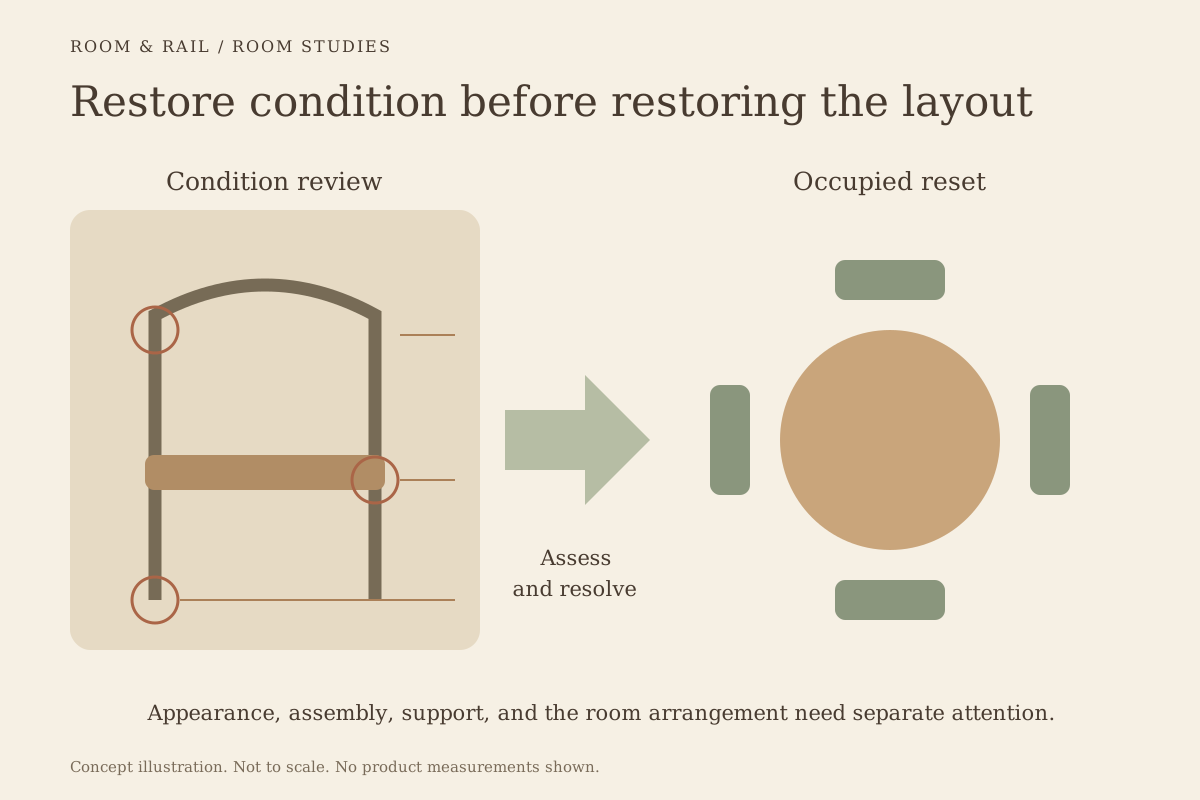
Open diagram at full size (new tab) ↗
Start with the furniture identity and storage history
Match each piece to its model where possible, especially if the patio contains similar-looking products with different materials or approved uses. Note whether it was stored indoors, covered outside, or moved repeatedly during the closed period.
The storage guide helps explain why the storage arrangement matters. Contact points, moisture, impact, and missing protective parts can create issues that were not visible when the patio closed.
Use the finish board or existing room list to compare the intended quantity with the available pieces. Keep any unidentified or damaged furniture separate from the ready-to-use group until its condition and suitability are resolved.
Separate appearance changes from physical damage
A faded tone, surface deposit, coating chip, split seat, and moving joint are different observations. Describe what is visible and where it occurs before deciding on a remedy. A close photograph should be accompanied by a view of the whole piece so the location is clear.
Clean only with the approved method before judging an uncertain surface mark. If a problem remains, use the manufacturer or a qualified furniture service provider to determine the appropriate response. Do not treat every discoloration as a structural failure or every crack as a cosmetic issue.
The coastal-patio guide discusses how exposure, material, and finish belong together. A site's history can help the assessment without proving the cause of a particular defect.
Inspect the parts that carry and connect the seat
Review the frame, joints, seat attachment, back, arms, and feet under the product's inspection guidance. Unexpected movement, damaged supports, or missing attachment parts should be assessed before the piece returns to customer use.
The Ella steel armchair and aluminum faux-teak chair illustrate why the construction matters. One lists a steel frame and metal seat; the other combines aluminum with plastic teak. Their component and finish requirements should not be assumed identical.
Do not perform an improvised overload test to prove a chair is sound. A listed weight capacity is not a field-test instruction. The capacity-evidence article keeps the rating separate from condition assessment.
Give glides and stacking contacts attention
A missing glide can change floor contact and expose a leg end to wear. A worn stacking protector can change how nested furniture meets. Small components may be easy to overlook because the chair's broad surfaces still look acceptable.
Use approved replacement parts for the actual model. The glide guide explains why thread, shape, material, and furniture compatibility matter. A generic part that appears to fit is not automatically the intended replacement.
If the furniture stacks, inspect its permitted nesting arrangement and contact points before rebuilding storage groups. Keep the stack within the product's limit and handling instructions rather than using the reopening task to create larger temporary stacks.
Review table connections and the actual paving position
Inspect the selected top and support as one assembly. Look for damage at the mounting interface, movement at joints, and missing or damaged floor-contact components. Have repair work performed through the approved process for the product.
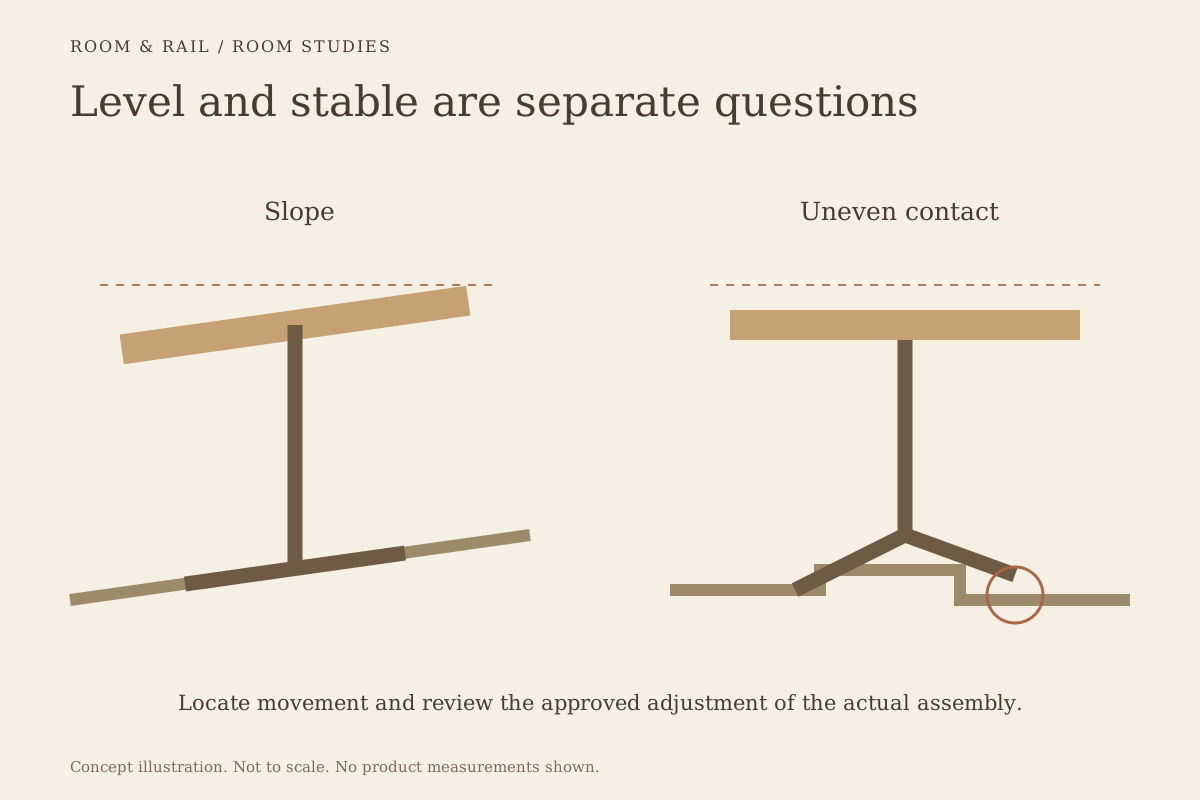
Then review the table in its intended patio position. The outdoor stability article separates movement in the assembly from uneven ground contact and a sloping surface.
If the layout has changed, repeat that occupied-setting review rather than assuming last season's table position still applies. A new paving joint, planter, or partition can alter both floor contact and foot space.
Follow model-specific finish repair guidance
Fermob's furniture-repair resources, for example, identify product-specific spare parts and distinguish minor finish work from work better handled through a professional service. That illustrates a useful service structure, not a repair recipe for another manufacturer's furniture.
Obtain the appropriate guidance for the selected model, finish, and damage. Do not apply a touch-up product intended for steel to an unrelated synthetic seat or decorative aluminum finish because the colors look similar.
The local-climate material guide helps keep those component identities clear. Repair should restore the intended assembly and finish rather than introduce an undocumented material combination.
Check woven and padded components through the whole construction
Review the seat field, edges, seams, attachments, and underside where accessible. A clean-looking cushion cover does not establish that the internal construction is dry or sound. A woven seat should be assessed at the places where it meets the frame as well as in the center.
The after-rain guide and bistro-material article explain why the visible material name is only part of the story. Follow the actual product's care and replacement route.
If a component cannot be verified or repaired appropriately, leave the piece out of the service arrangement. The patio plan should reflect the furniture ready for use, not the original quantity before the review.
Include shade and boundary equipment
Review umbrellas, their specified supports, partitions, and related accessories under their own instructions. The furniture assessment is incomplete if the chairs are ready but the shade system or boundary assembly has unresolved damage.
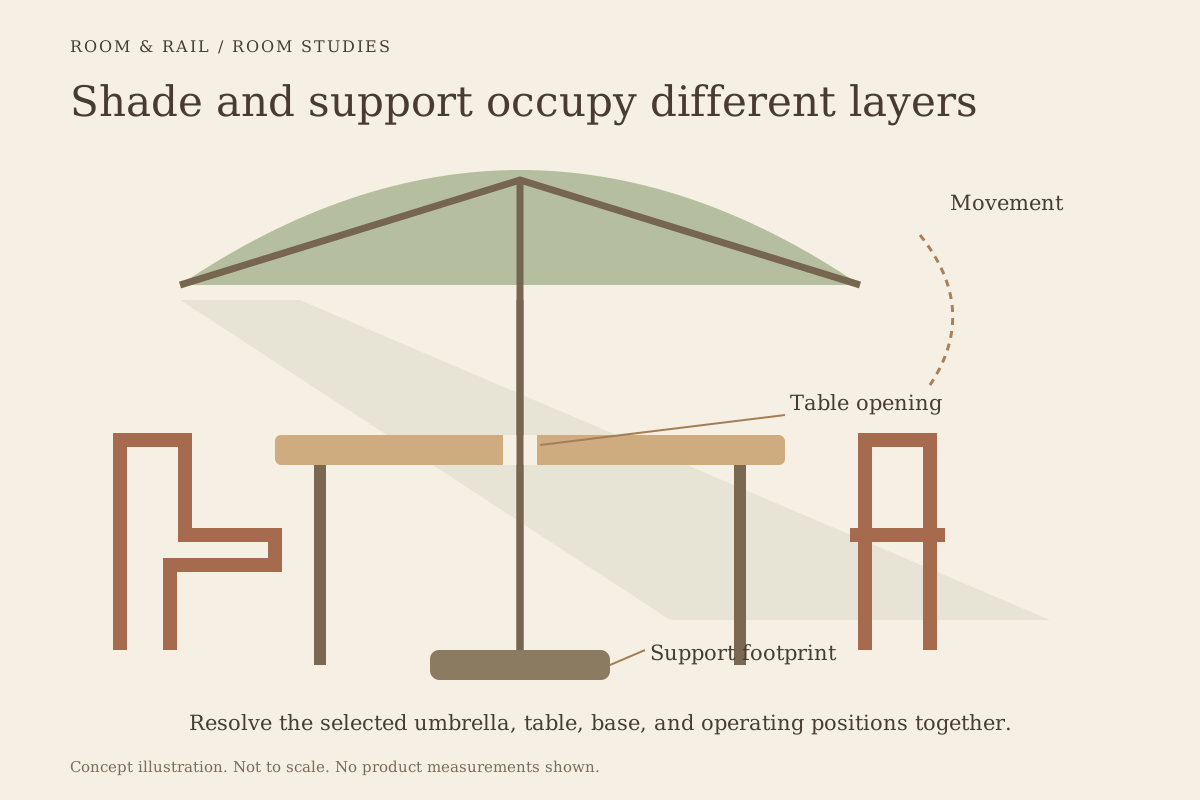
The umbrella-placement guide connects the shade system to the actual table and seats. Reconfirm the operating plan and staff responsibilities where weather conditions require changes.
Keep the room's approved routes clear as repaired pieces return. Replacement furniture should be checked against the real dimensions, since a visually similar chair can occupy a different footprint.
Reopen a room whose condition is understood
A useful reopening review ends with a defined service-ready group, a clear repair scope for retained pieces, and a replacement decision where needed. It does not rely on a fresh surface appearance as proof that every component is suitable.
Update the room's furniture list and retain the exact parts and materials used in the work. The patio can then begin the season with a coherent layout and a practical basis for ongoing care, rather than carrying unresolved problems back into daily service.