The room journal
Restaurant booth design: let the materials carry the identity
A booth can carry a restaurant's identity through a broad field of color, a recognizable line, or a repeated material detail. It does not need a logo on every back to feel connected to the brand. The furniture becomes convincing when its choices relate to the room, menu, lighting, and way guests use the space.
Begin by deciding what should be recognizable. That might be a warm wood tone, a restrained upholstery color, a vertical channel pattern, or a rounded silhouette. Choose a few elements with clear roles rather than asking every surface to repeat the entire brand palette.
Open diagram at full size (new tab) ↗
Translate identity into material decisions
A graphic color on a screen is not the same as a finished upholstery or wood stain. Texture, sheen, light, and the size of the surface change its appearance. The right material may be related to the brand color without being an exact numerical match.
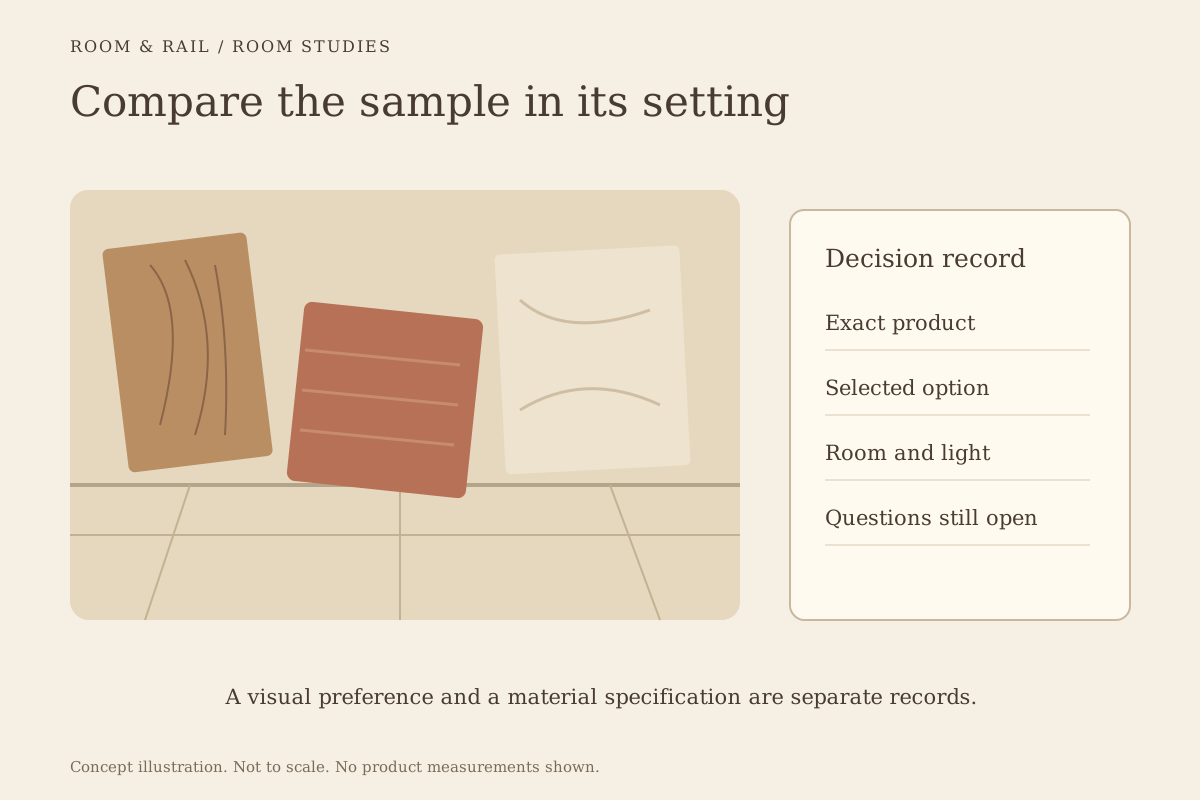
Use physical references for the room. The finish-sample guide helps compare the upholstery beside the actual floor, wall, table, and chair materials. Review the combination in daylight and in the lighting used during service.
Keep the material's product identity attached to the approval. A phrase such as warm red may communicate a direction, but it is not enough to reproduce the selected seat or back later.
Assign the booth a visual role
The booth may be the room's main color surface, a quieter background for expressive chairs, or a material link between the wall and the tables. Each role suggests a different level of contrast and detail.
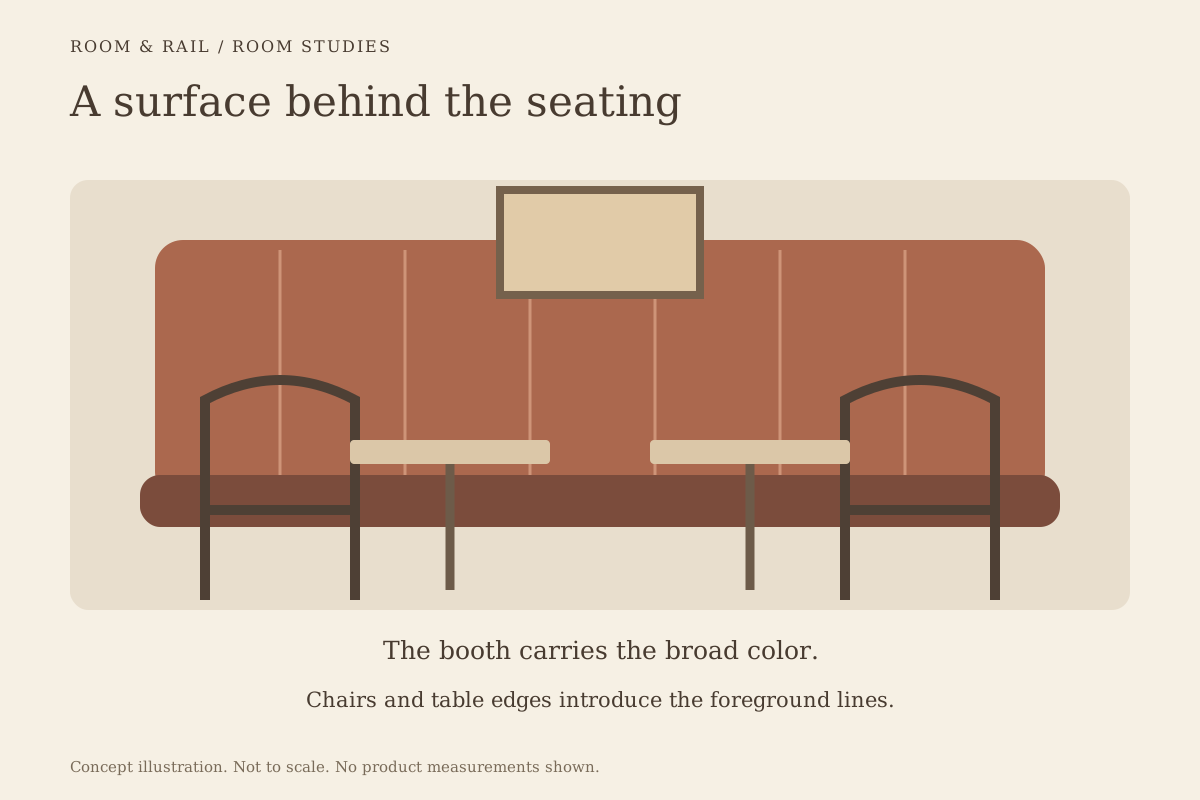
The booth-back study shows how broad upholstery fields interact with smaller furniture lines. If the booth carries a strong color, the table edge and chair frame can provide quieter structure. If the back is restrained, another part of the setting can carry the accent.
Review chairs and table tops in front of the booth, not beside it on separate pages. The overlap is the composition guests actually see.
Use construction to reinforce the character
A wood-framed booth exposes a different material rhythm from a fully padded back. A leg-supported form allows more of the floor to remain visible. An enclosed base creates a more continuous volume. These choices can communicate character without adding decorative graphics.
The DH wood booth lists wood, semi-padded, and fully padded back options. Its frame finish choices include wood tones and colors such as Black, White, Green, Red, Silver, and Yellow. Those options provide several ways to distribute color between frame and upholstery.
The Soho wood booth has wood or semi-padded back choices and wood or padded vinyl seat options. Compare the selected construction rather than treating all wood booths as the same visual object.
Let the back pattern support the rest of the room
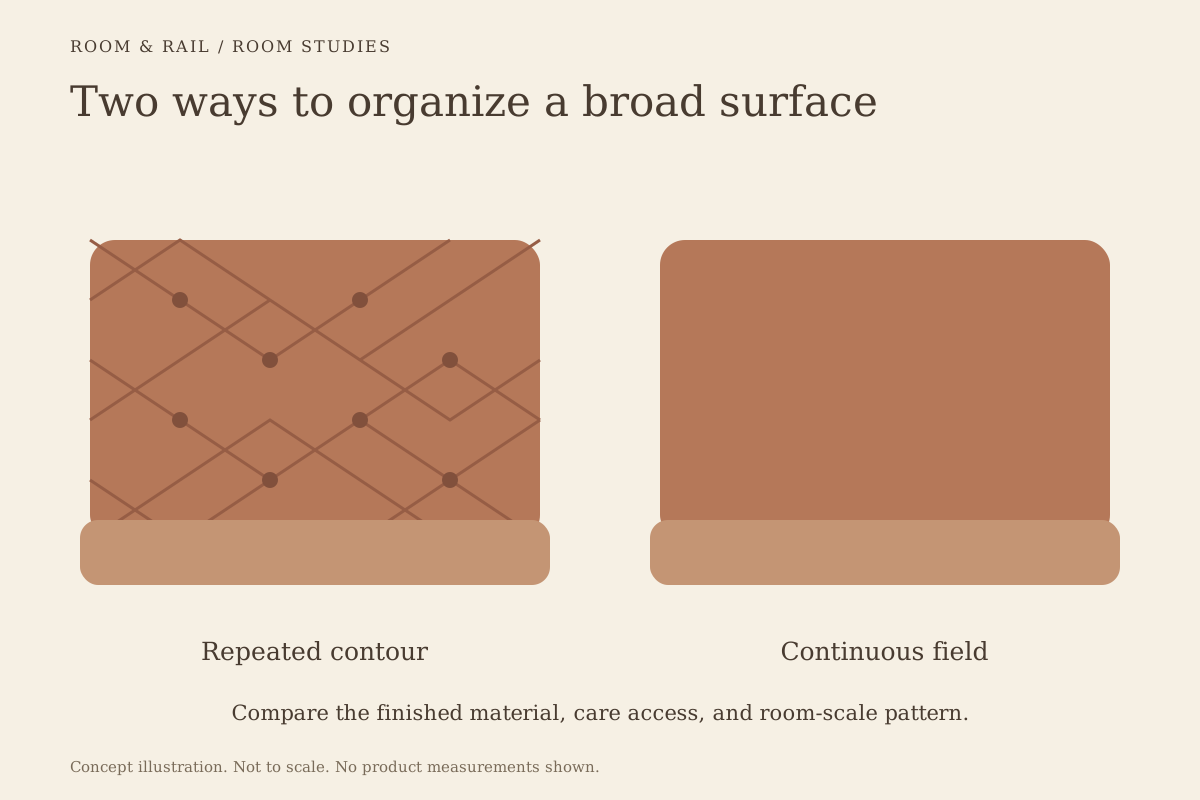
Channels, button tufting, and smooth upholstery organize the surface differently. Vertical channels can relate to wall paneling or window divisions. A smooth back can allow a material's texture to remain the main detail. Tufting creates a more pronounced pattern of light and shadow.
The tufted-versus-smooth guide helps compare those treatments without assigning a style label to the whole restaurant. Look at their repetition across the full run, especially where several booths appear in one view.
Avoid adding another pattern simply because the material is available. If the floor, wall, and menu graphics already carry strong motifs, a quiet booth surface may make the overall identity easier to read.
Check where the pattern stops at an exposed end or changes at a corner. A repeated channel or stripe needs a deliberate transition there, especially when the booth turns toward the entrance and the junction becomes a prominent part of the view.
Consider how the furniture appears while occupied
An empty-room image shows the upholstery and table surfaces clearly. During service, people, coats, plates, and glasses obscure portions of them. The strongest design connection may therefore come from the parts that remain visible, such as the upper back, exposed end, leg finish, or table edge.
The sightline article helps compare those layers. Review the entrance view, the view from a neighboring table, and the seated perspective rather than relying only on a wide empty-room photograph.
For a freestanding booth, the rear face may remain fully visible even when the dining side is occupied. Give it a defined material role instead of treating it as a hidden construction surface.
Keep color choices compatible with care and repair
A material should support the restaurant's routine as well as its appearance. The exact upholstery needs appropriate care instructions and a clear identity for later replacement. A striking swatch is not a complete purchasing decision.
The booth-material guide separates surface appearance from technical evidence. Consider how seams, texture, and the selected construction affect cleaning access and the appearance of a future repair.
If a brand accent is difficult to replace exactly, use it in a clearly defined component or zone rather than distributing an undocumented near-match everywhere. A deliberate replacement strategy can preserve the room's character even when the original material is no longer available.
Allow different rooms to share an identity without copying
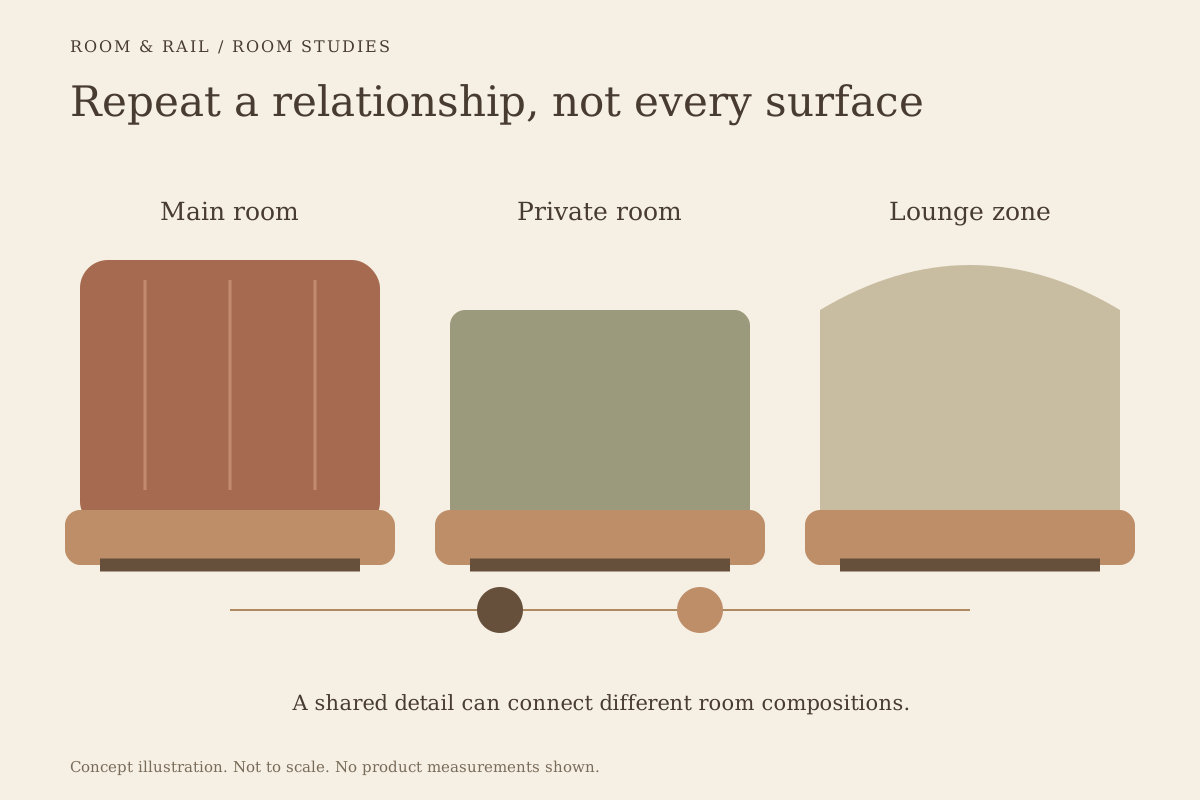
A private room, main dining room, and bar can use related furniture choices while remaining distinct. Repeat a wood tone, a curve, or a limited upholstery accent, then let the scale and treatment change with the setting.
The chair-and-stool coordination article applies this idea to different seat types. The same approach works across booth zones: a shared detail can connect them without requiring identical backs, heights, and materials.
Use room groups on the finish board to preserve those differences. A private room might use a deeper color while the main room uses a lighter related tone. The connection should be deliberate and visible in the selected materials.
Make the familiar detail worth repeating
The most useful brand standard is a small set of well-understood furniture relationships. It identifies the essential material or shape, explains where it belongs, and leaves room for the actual site and service. It is more adaptable than a rule that every booth must look identical.
Approve the booth with its table, chairs, lighting context, and care requirements. When those choices work together, the room's identity comes through in the experience of sitting there, rather than depending on a decorative statement that the furniture cannot sustain.