The furniture edit
Outdoor restaurant furniture
Outdoor dining feels different from the room inside, and the furniture should show it. Here you'll find 205 pieces for terraces, courtyards, and sidewalk patios, in aluminum, steel, resin, faux teak, and woven synthetics. Read on below the grid for how each material holds its color in sun, how to proportion tables and chairs, and how to keep finishes fresh.
205pieces to explore
Explore outdoor restaurant furniture
Jump to products ↓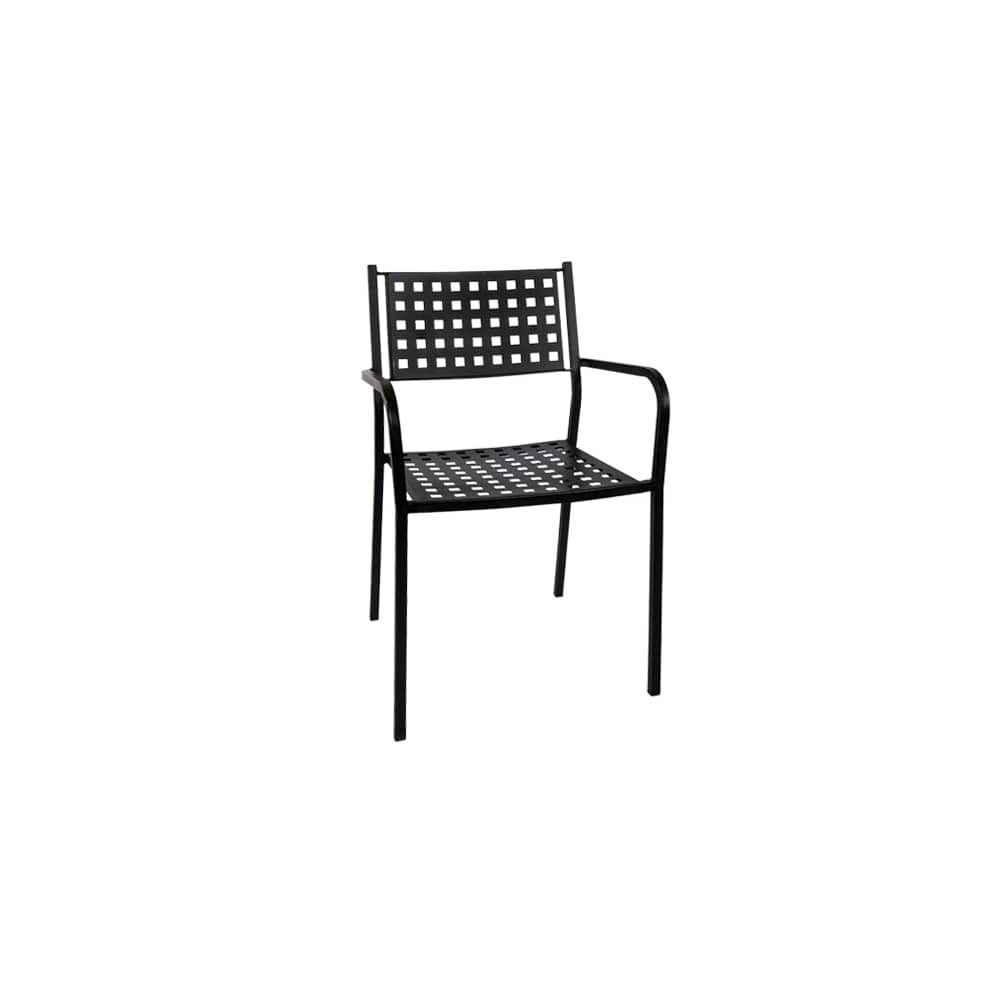
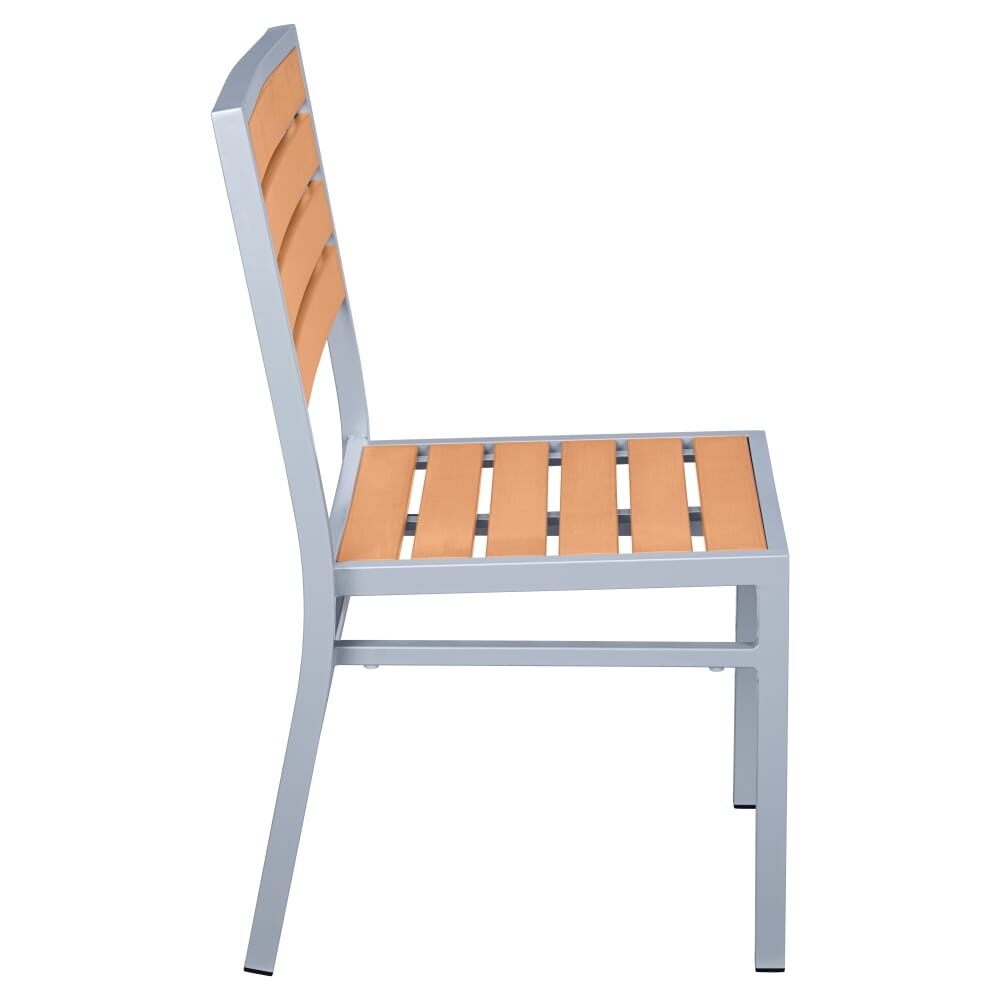
Aluminum and steel patio chairs41 products
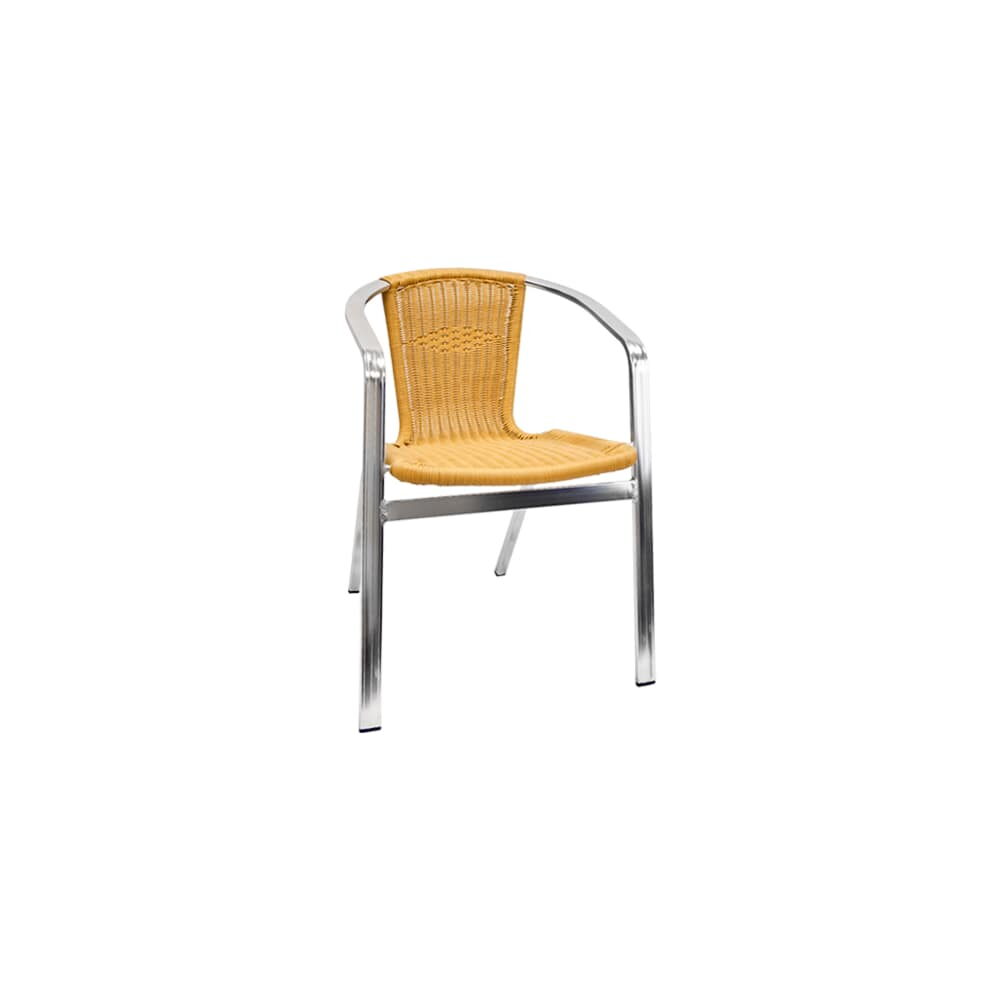
Faux rattan patio chairs29 products
Faux teak patio chairs18 products
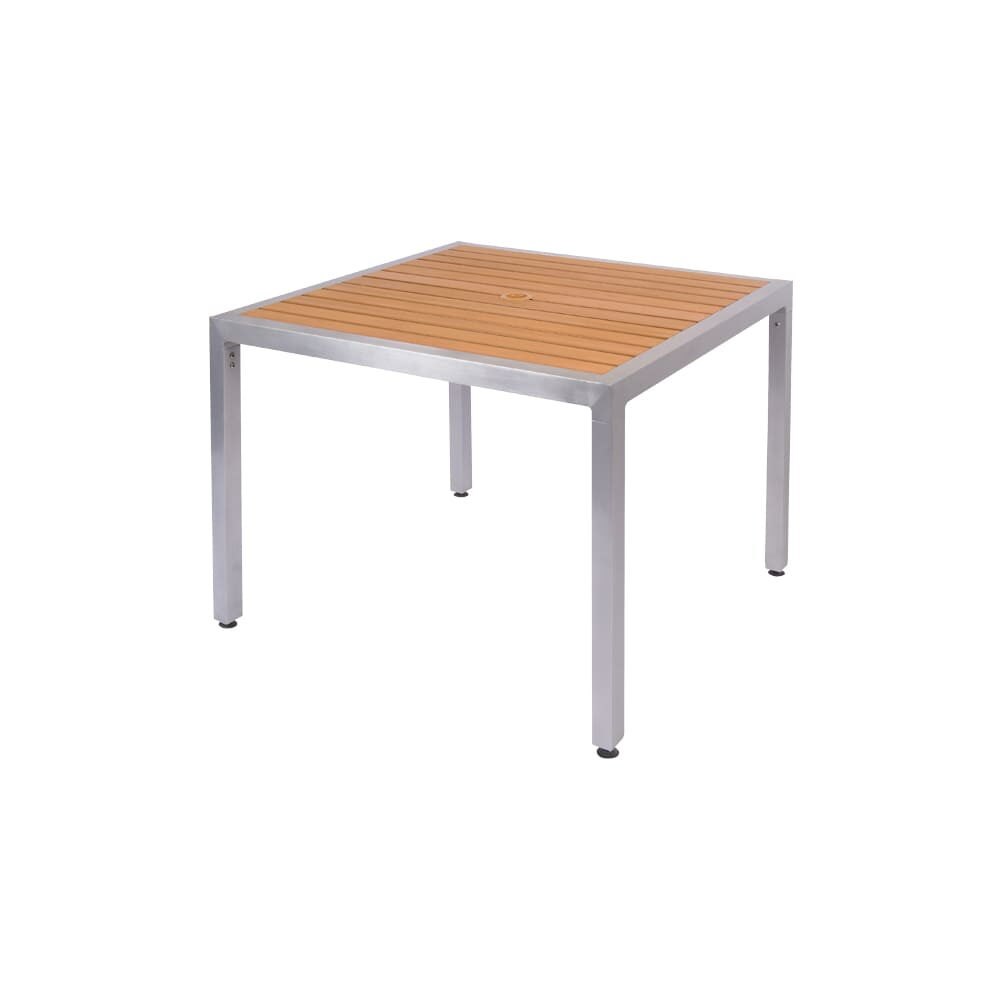
Faux teak patio tables21 products
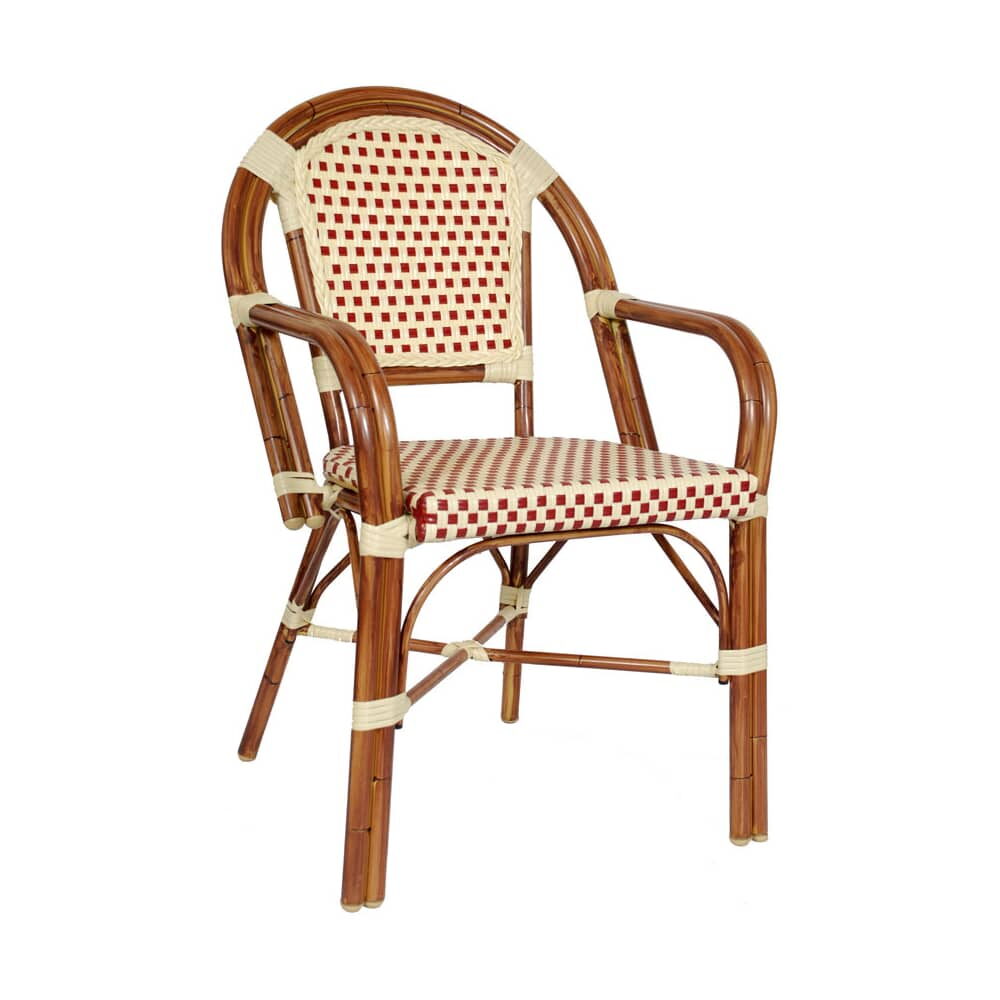
French bistro chairs16 products
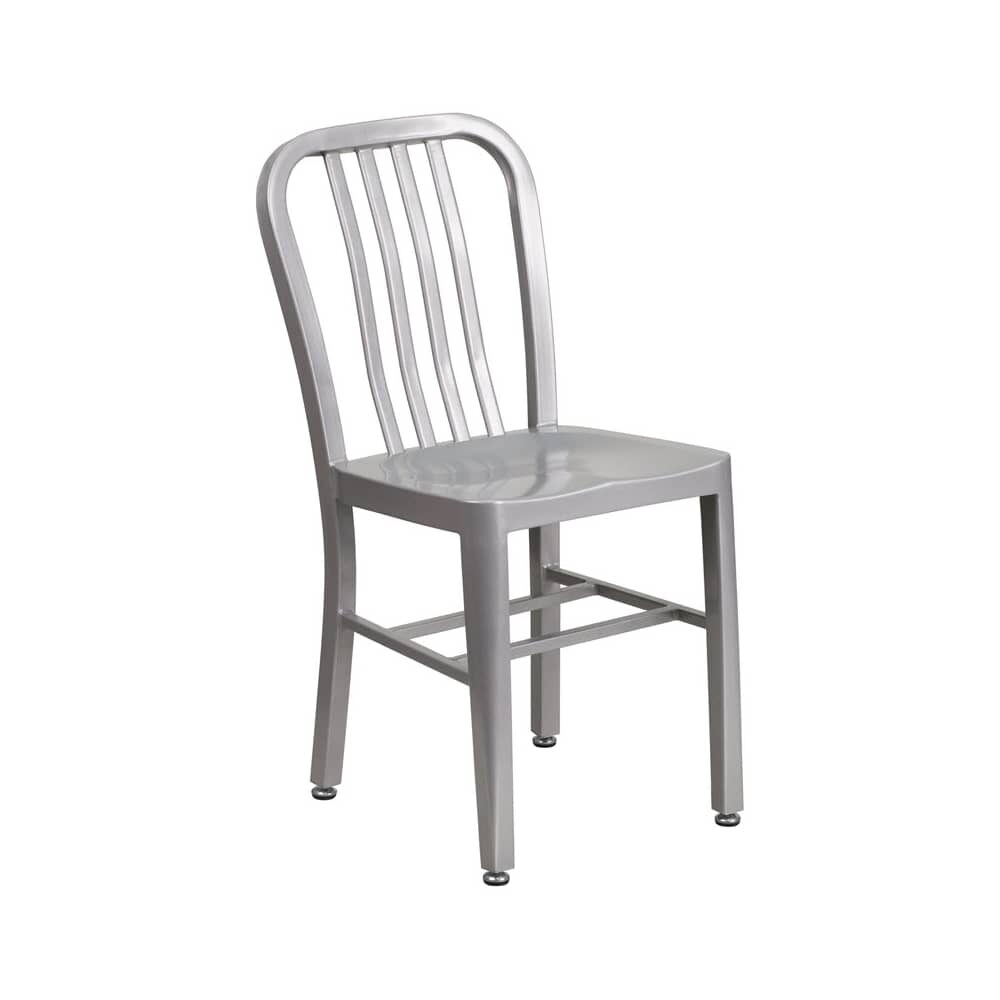
Indoor and outdoor seating6 products
Show 11 more selections
Metal patio furniture48 products
Outdoor furniture sets33 products
Patio chairs114 products
Patio tables49 products
Patio tables with umbrella holes16 products
Poly teak patio furniture42 products
Resin patio chairs22 products
Resin patio furniture45 products
Resin patio tables7 products
Steel and aluminum patio tables15 products
Teak patio tables3 products
Filter products
Outdoor
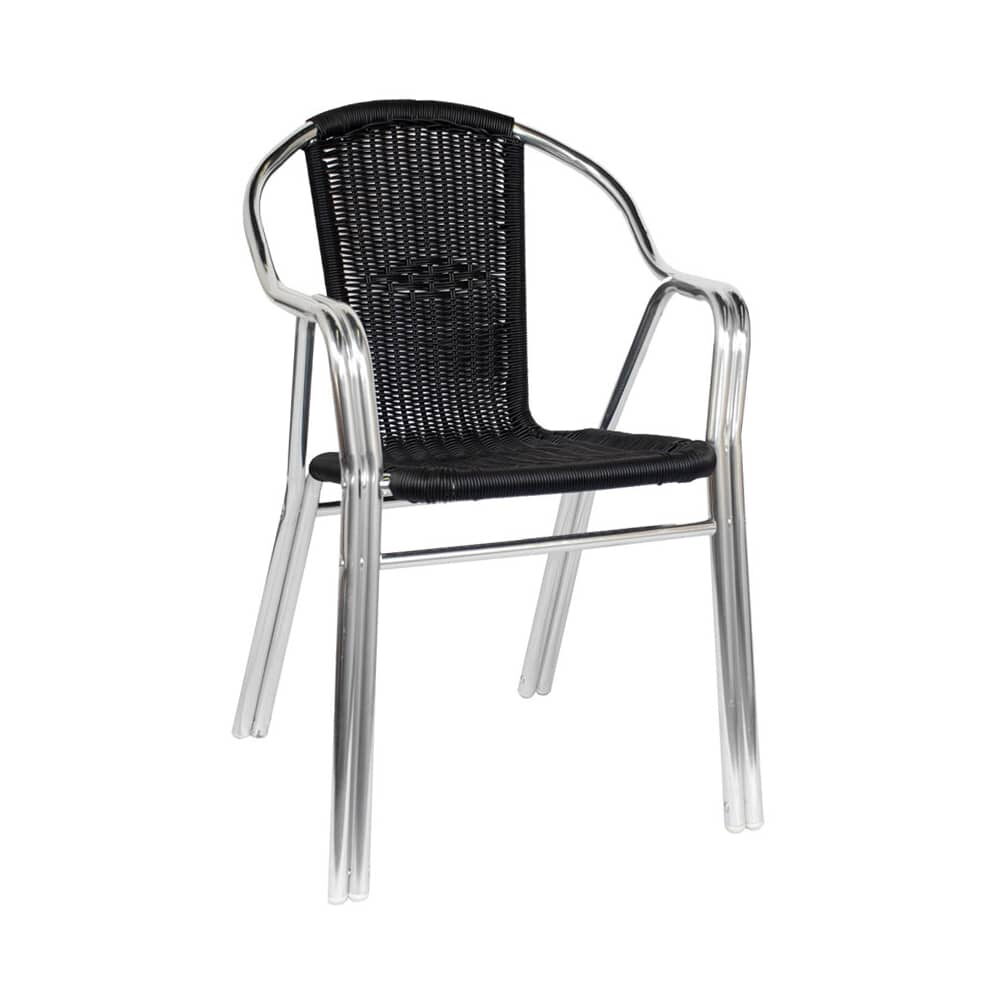
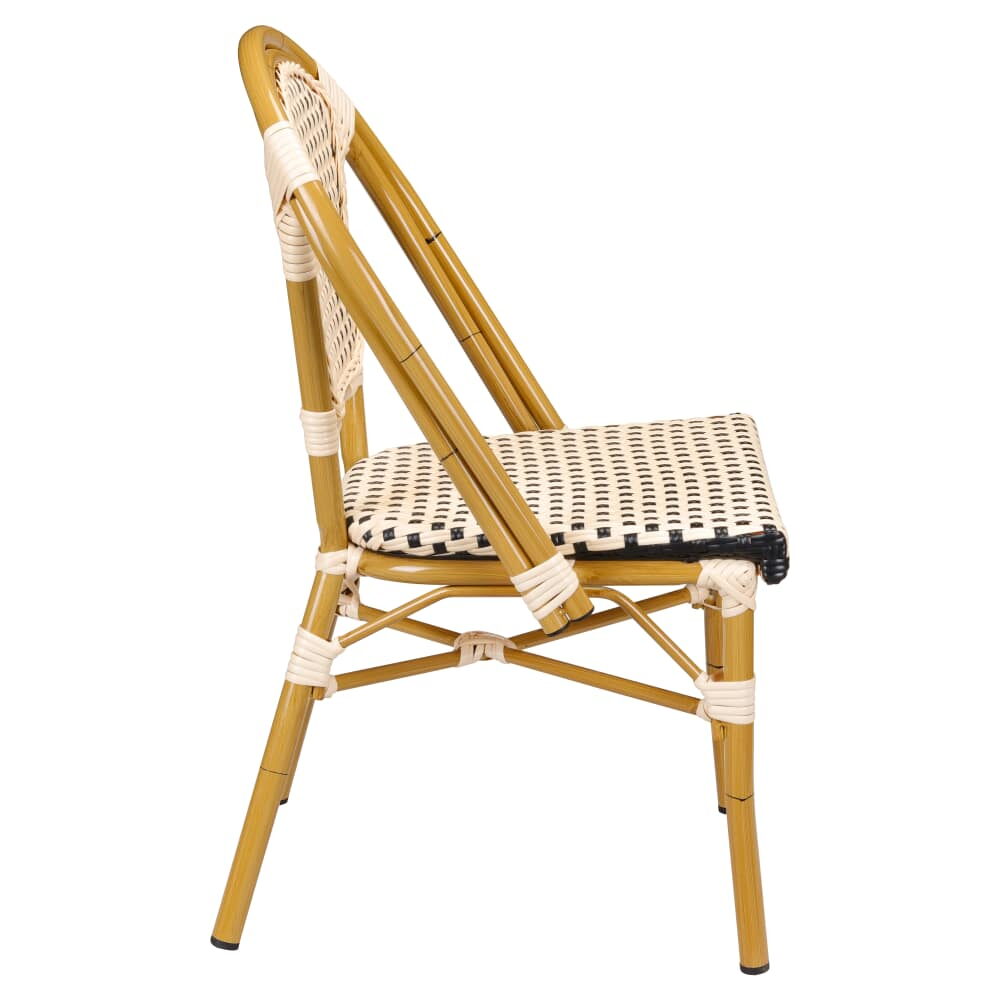
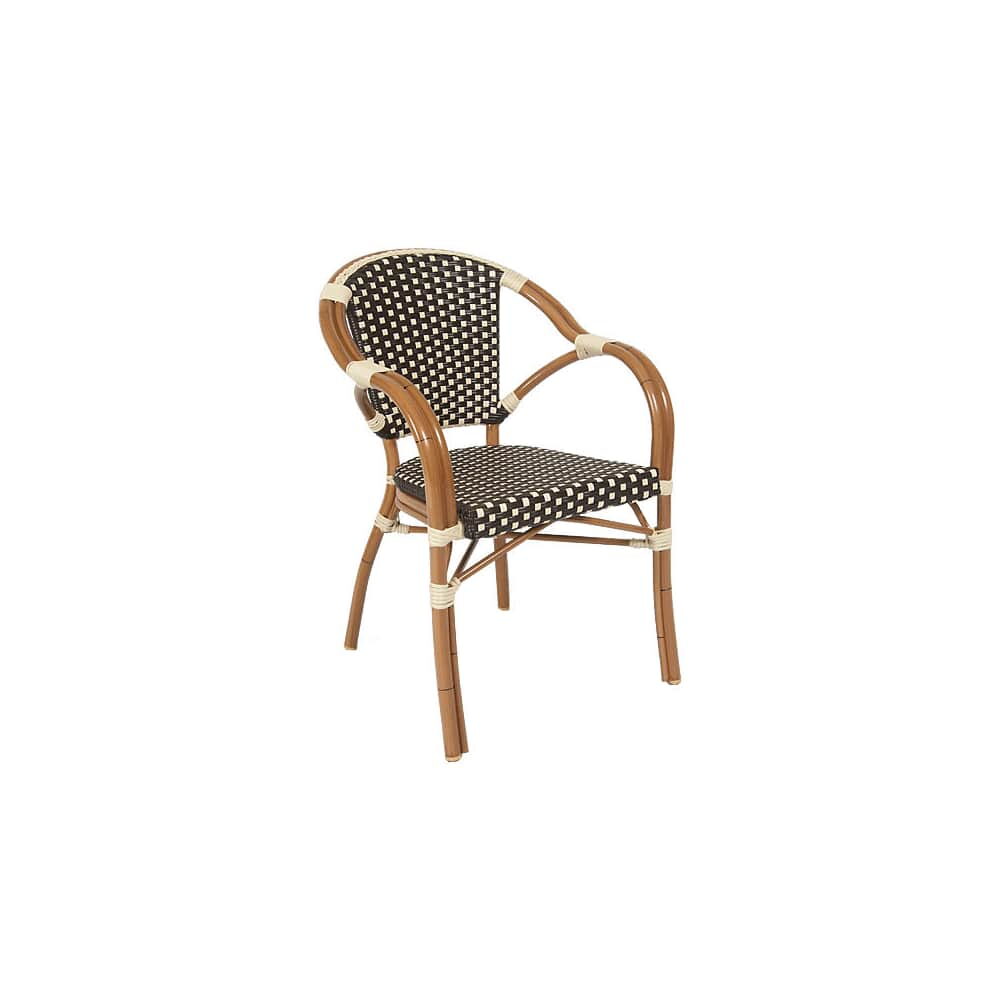
Aluminum Bamboo Patio Chair in Black and Cream Faux Rattan
Price $119.00Explore this piece
Compare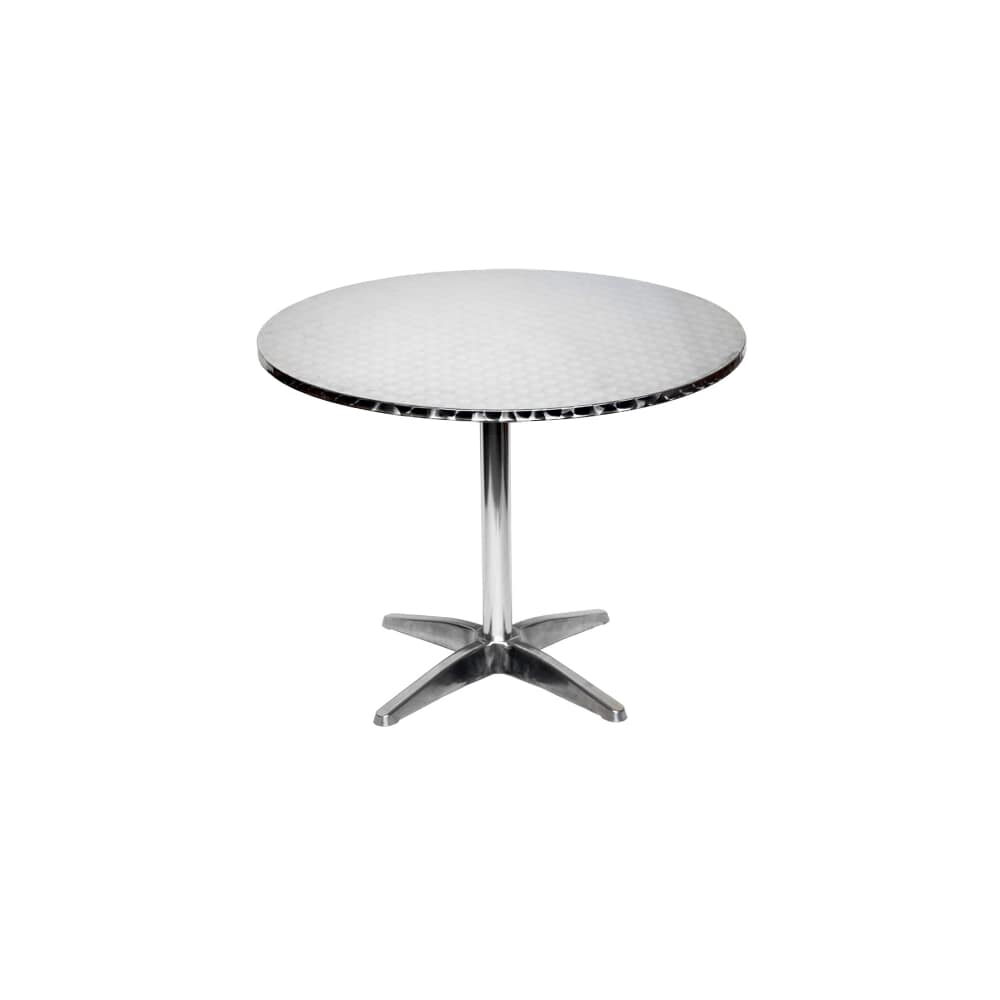
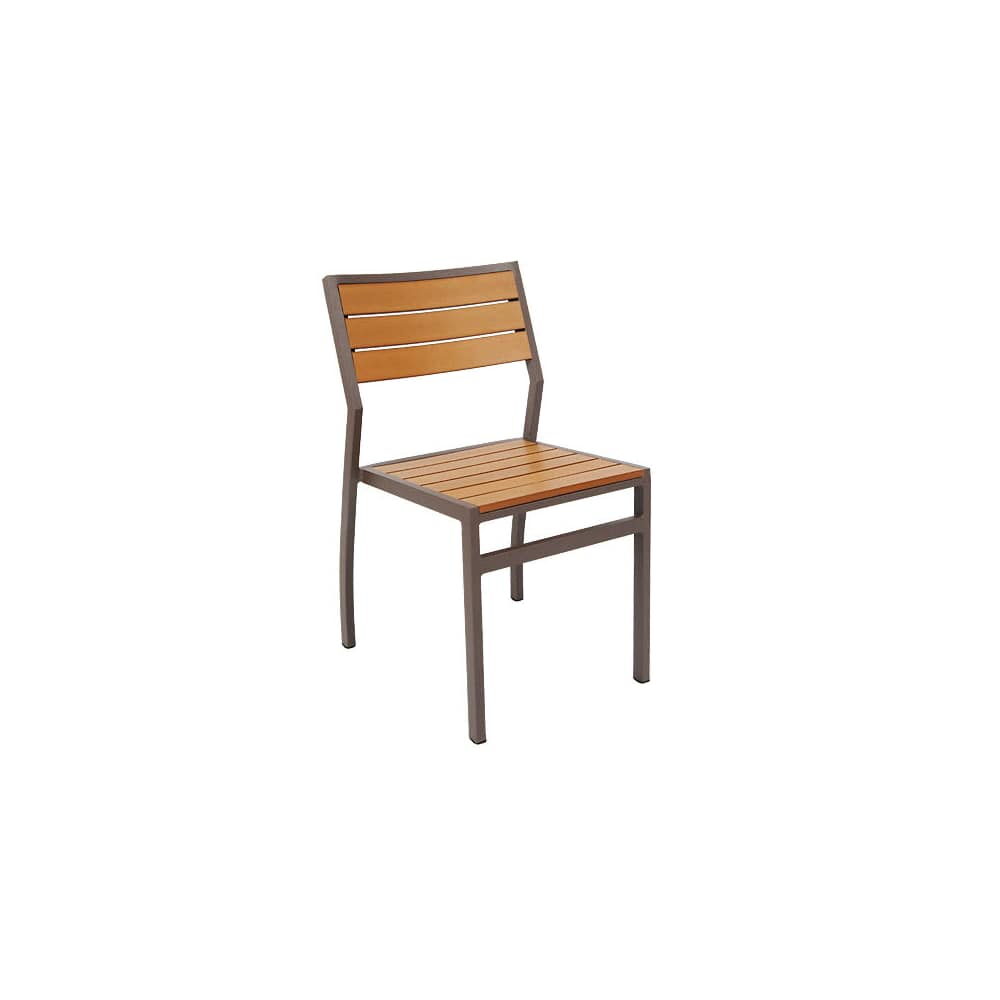
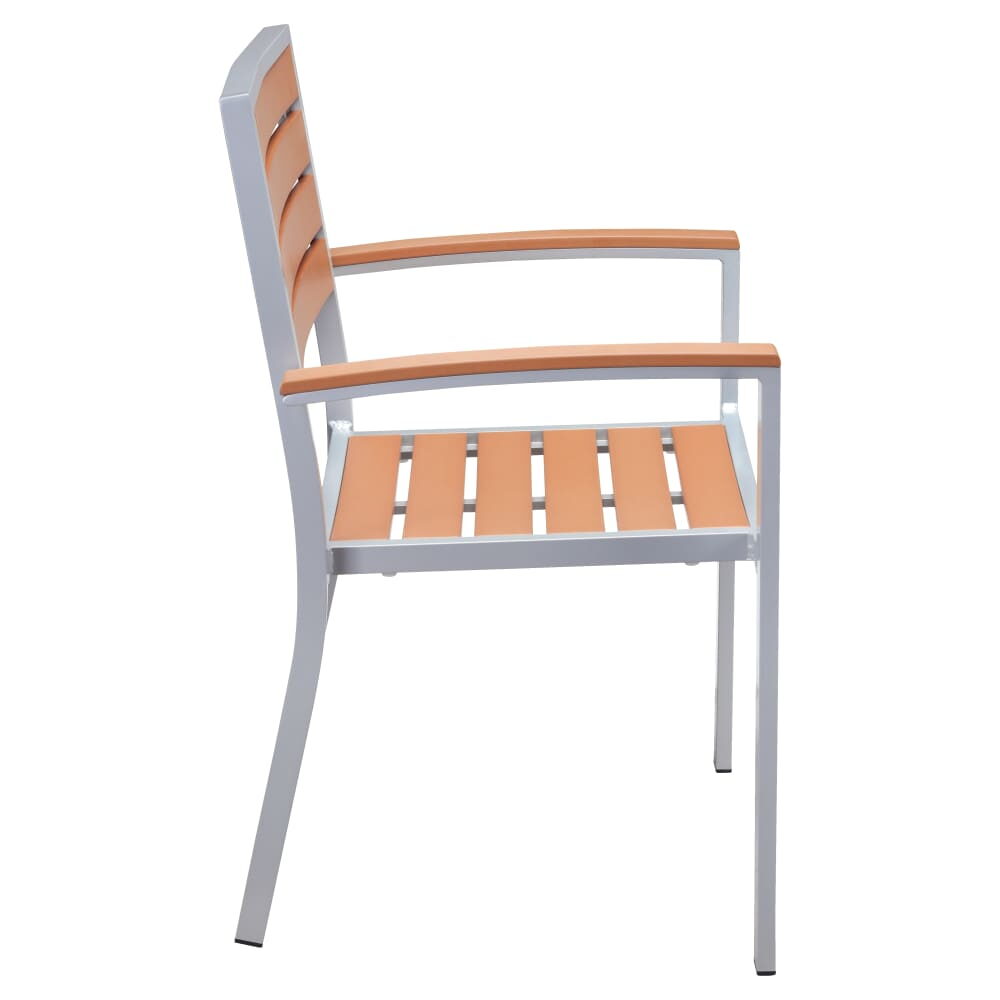
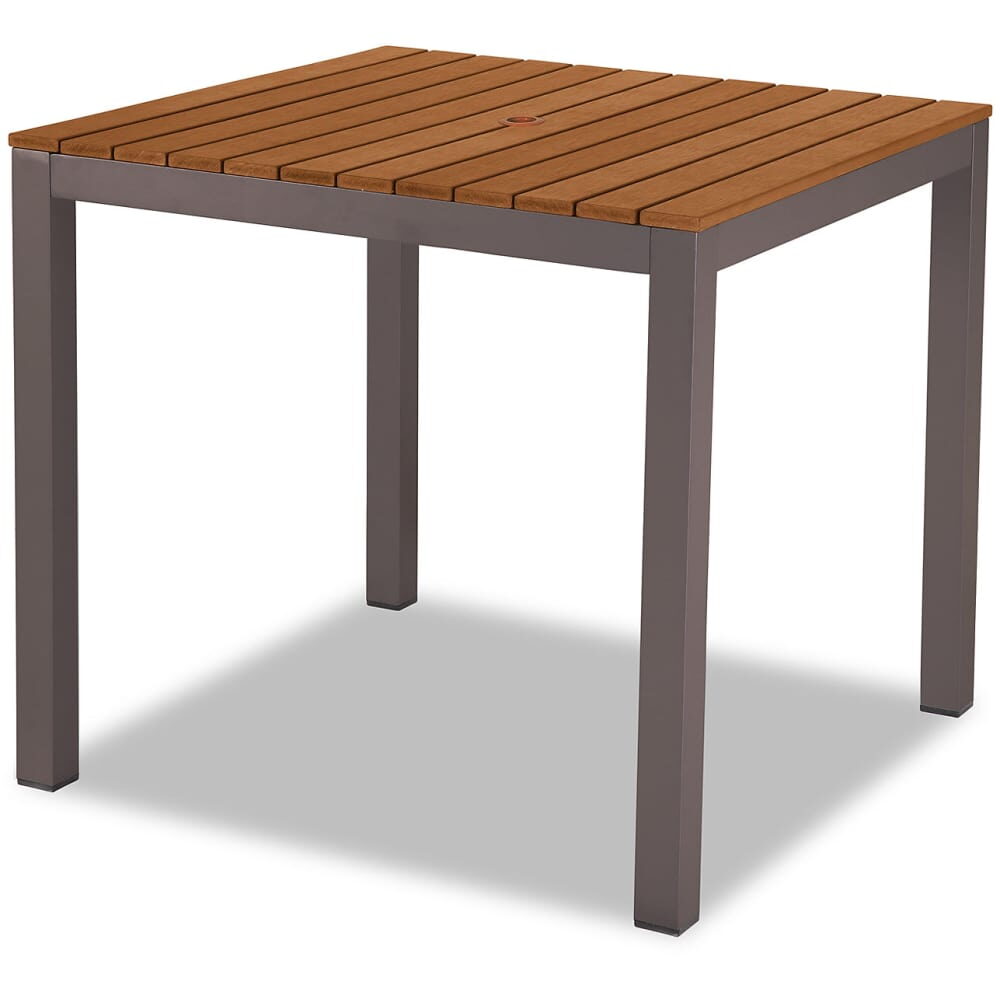
Outdoor
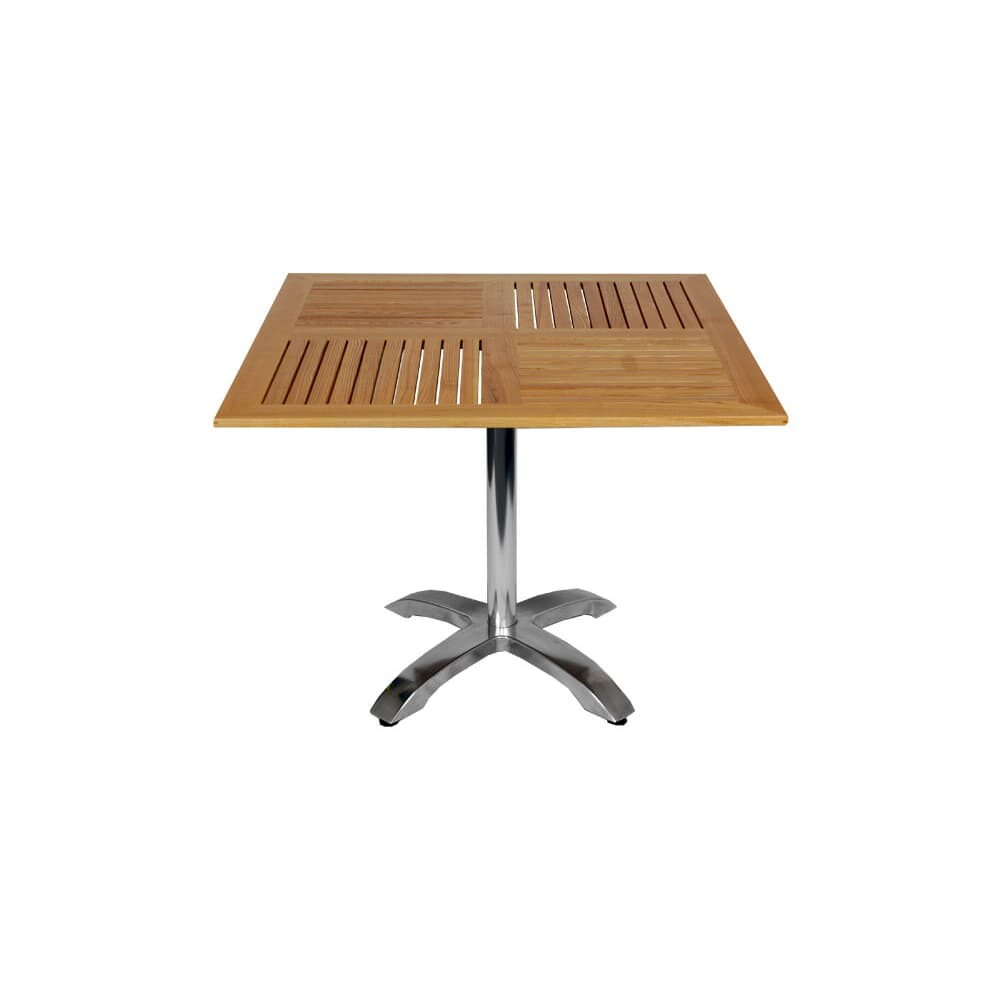
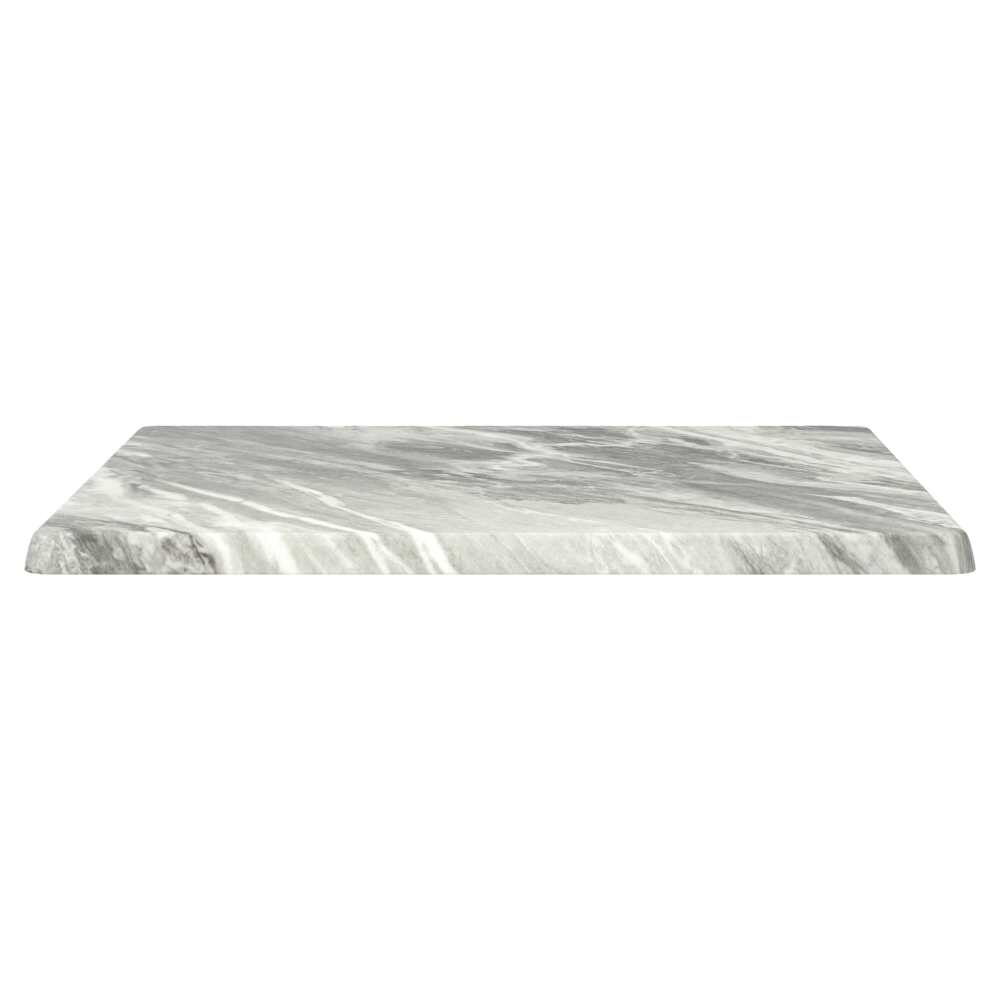
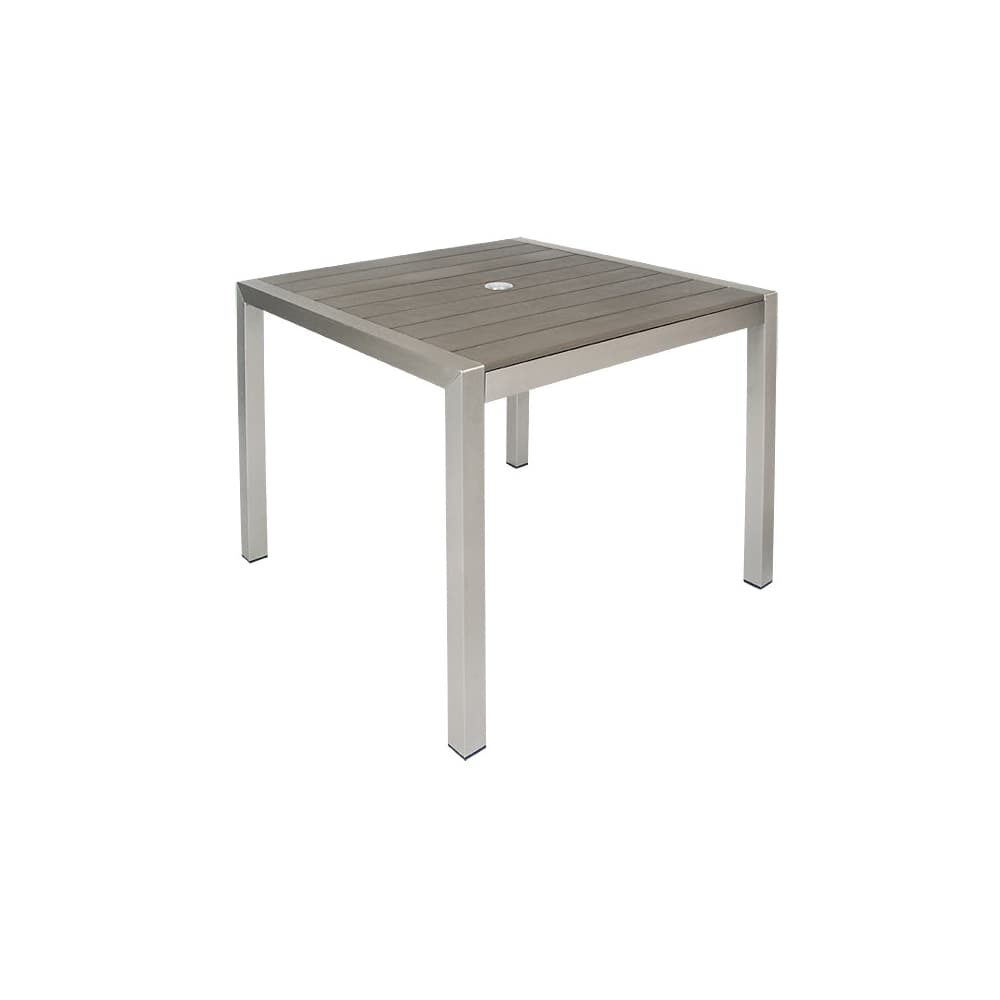
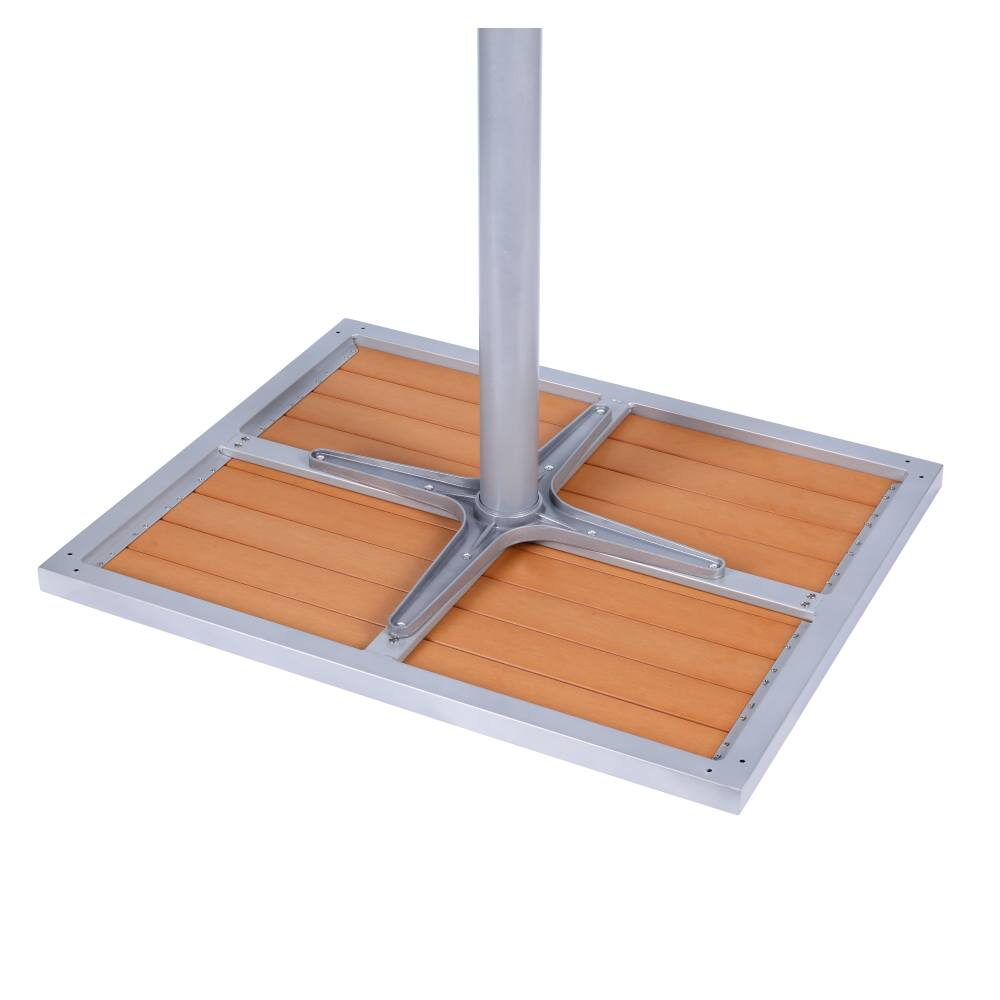
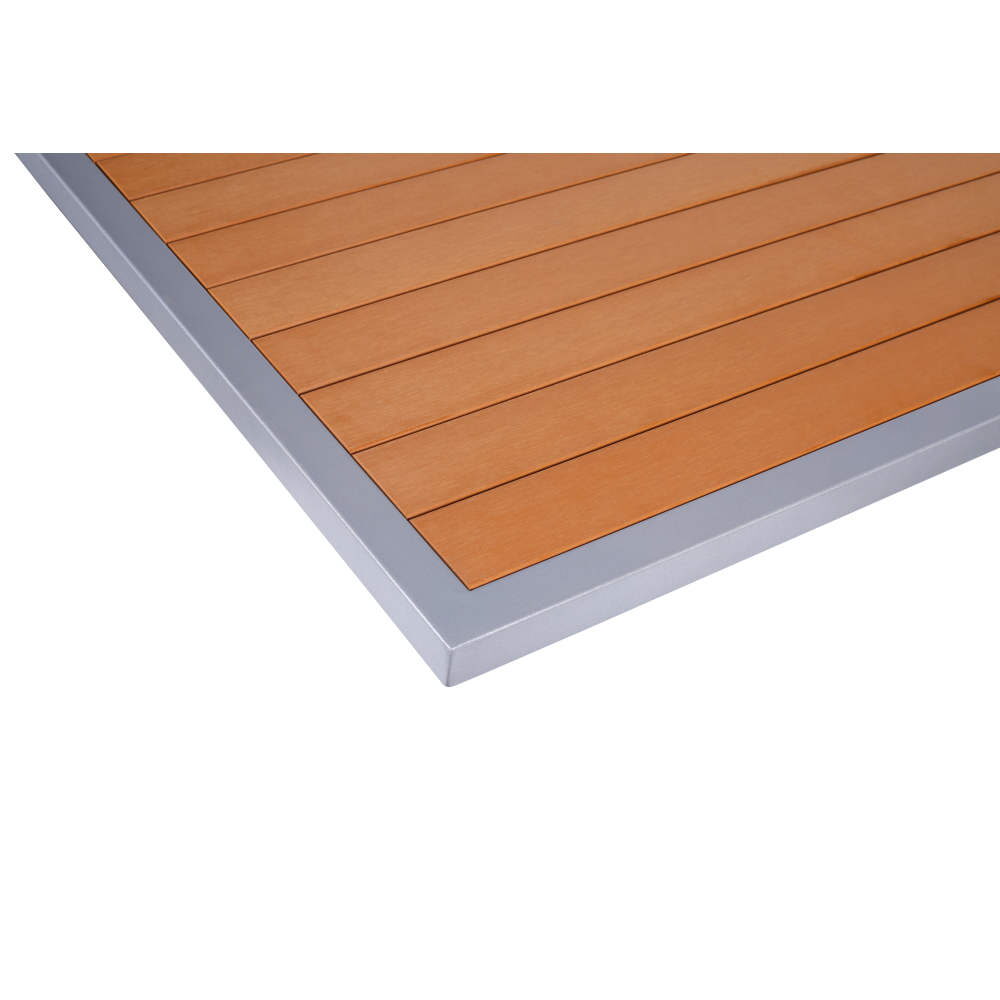
Aluminum Patio Table in Gray Finish with Faux Teak Slats
Price $397.00Explore this piece
Compare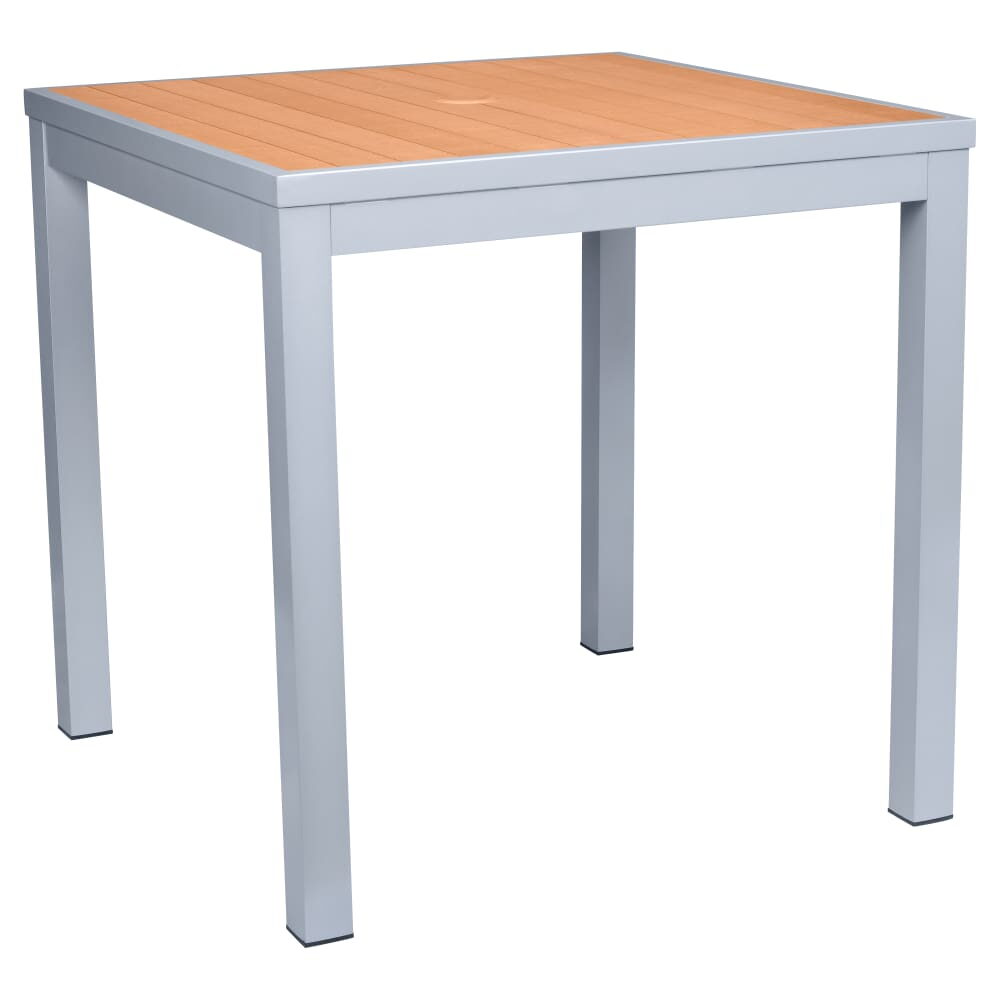
Outdoor
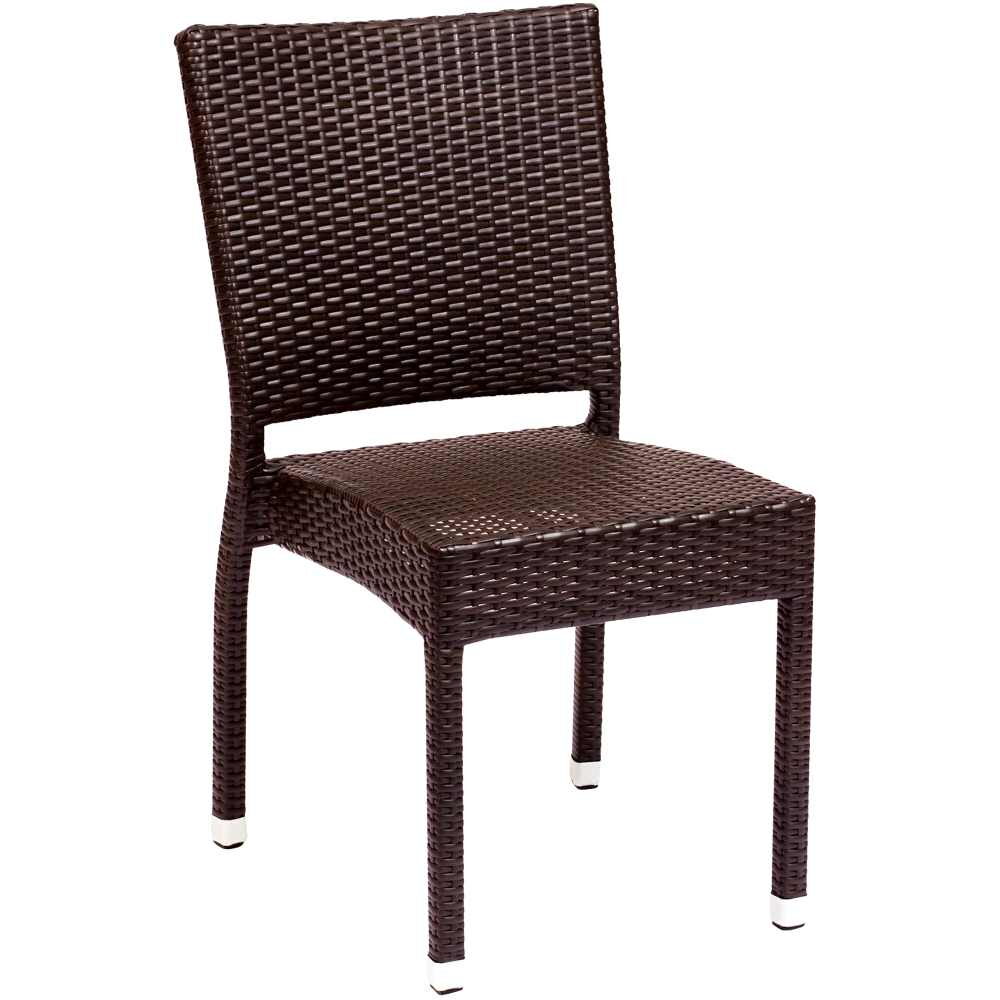
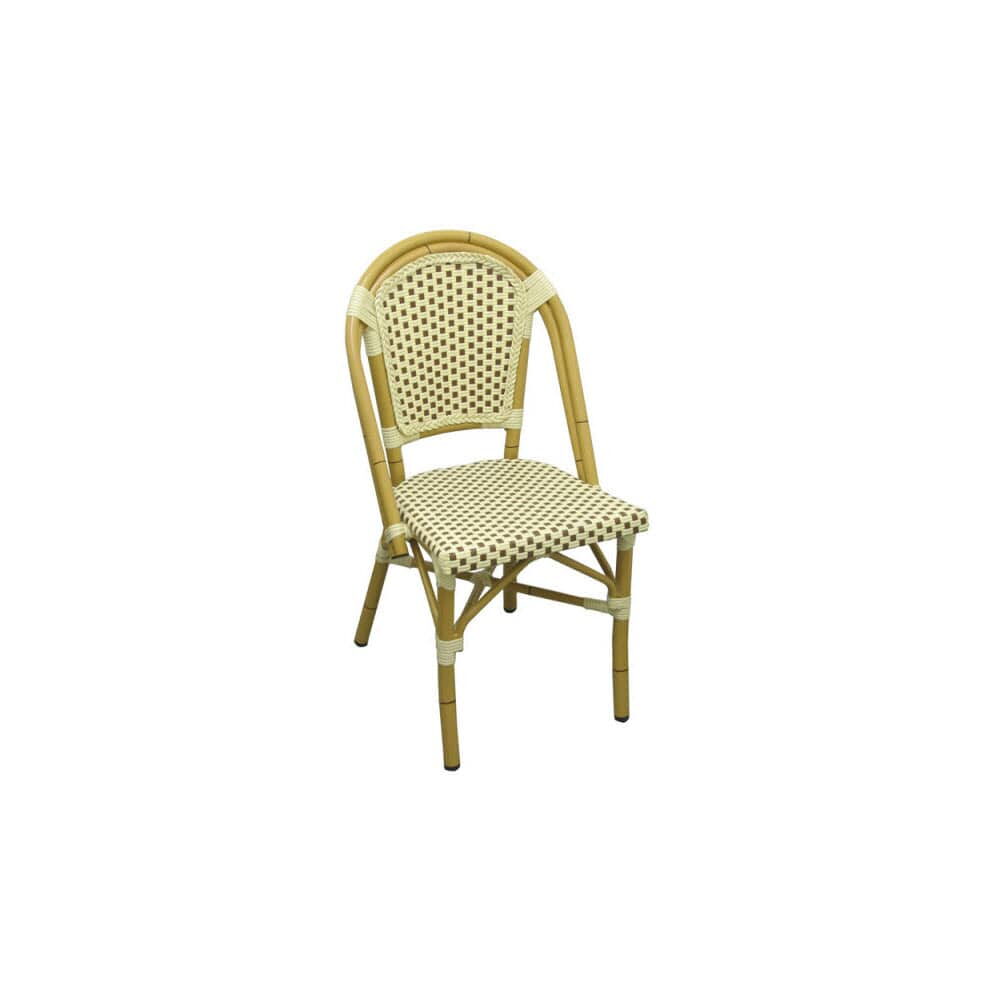
Aluminum Bamboo Patio Chair with Brown and White Rattan
Price $119.00Explore this piece
Compare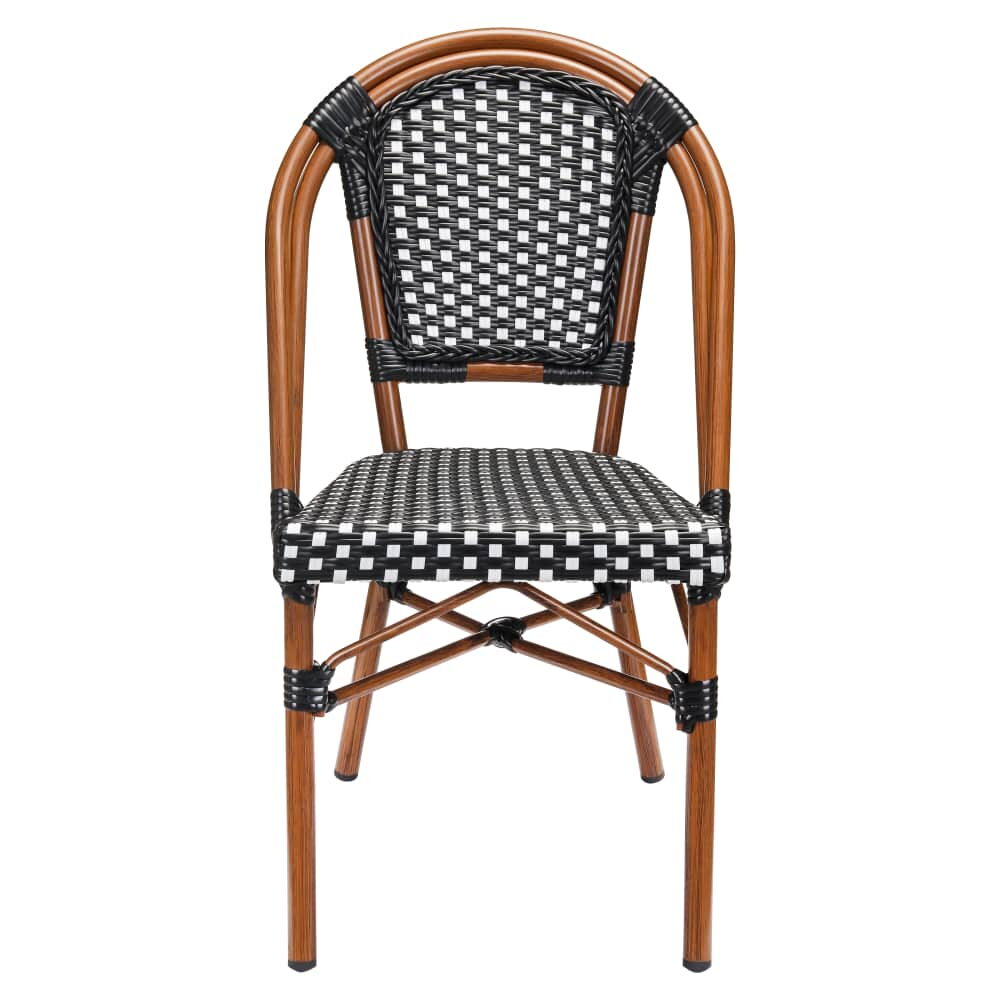
Outdoor
Aluminum Bamboo Patio Chair with Black and White Rattan
Price $119.00Explore this piece
Compare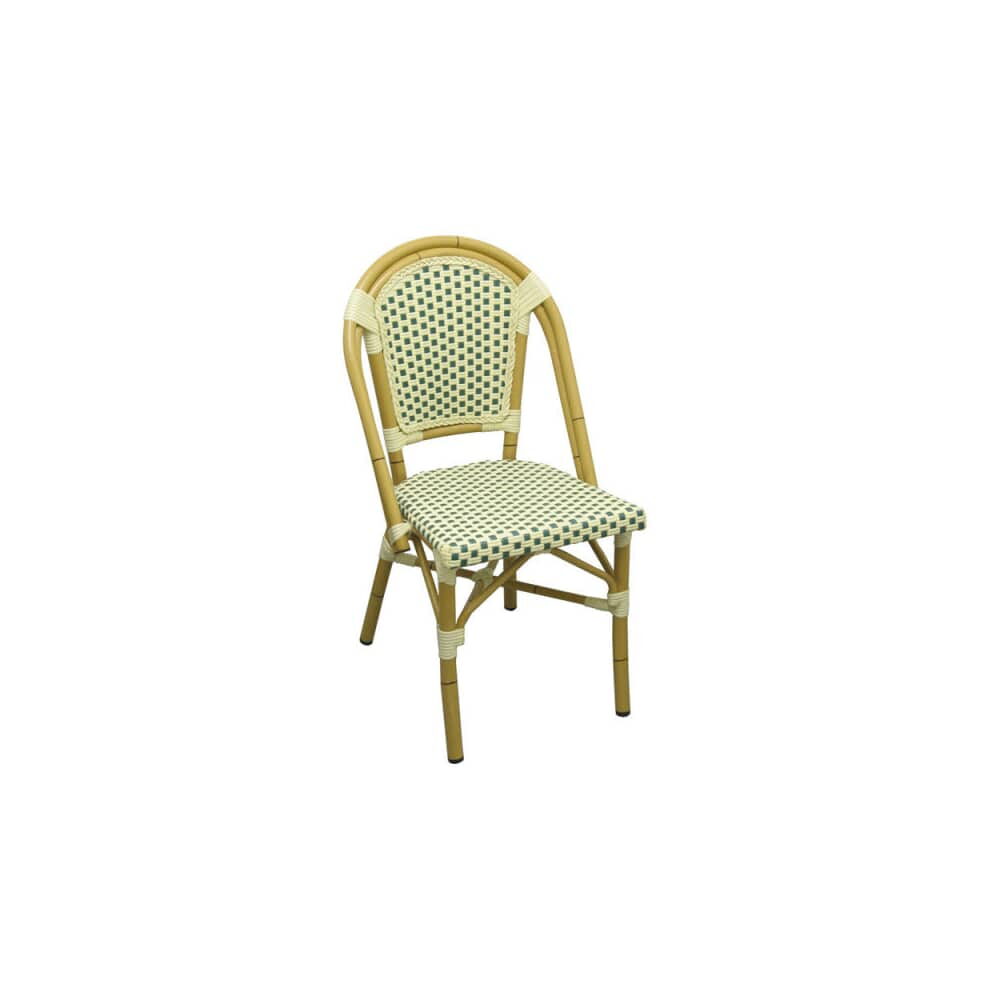
Outdoor
Aluminum Bamboo Patio Chair with Green and White Rattan
Price $119.00Explore this piece
Compare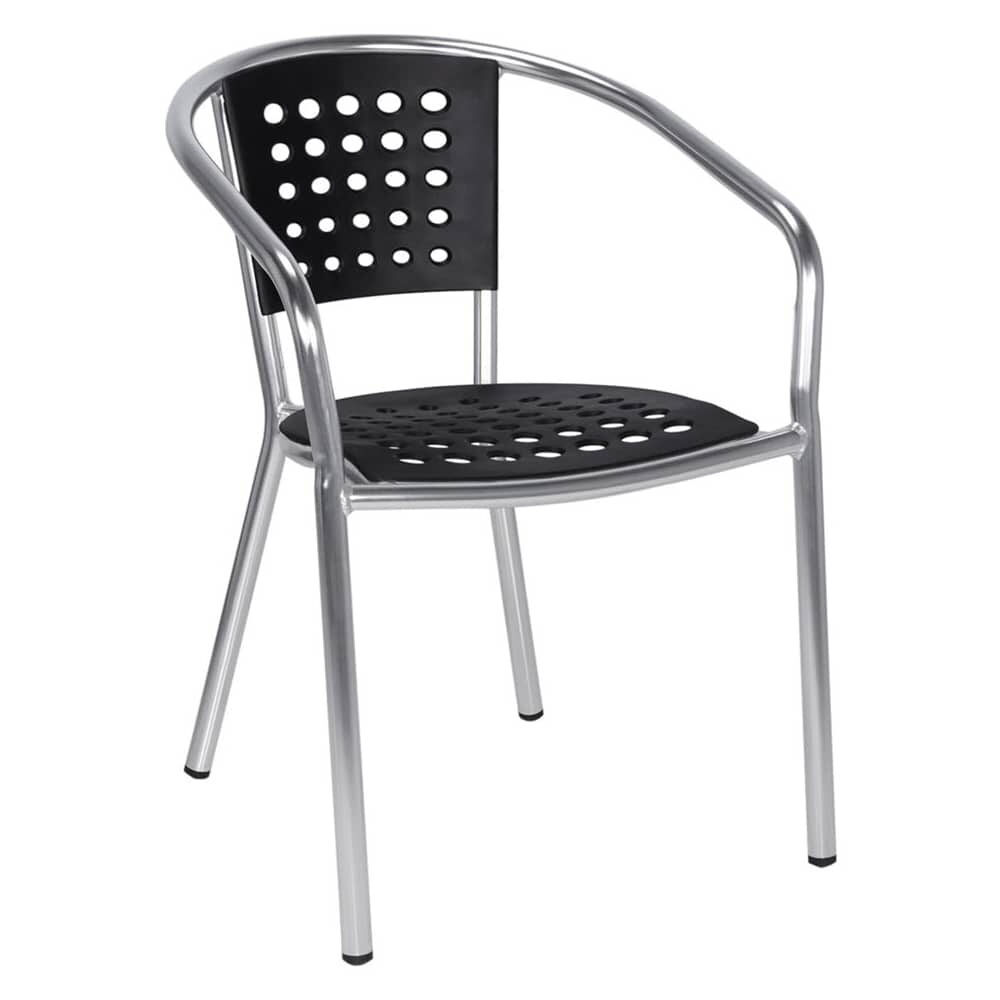
Start with light and ground
Before you choose a single chair, stand on the patio at the hour you'll be busiest. Notice where the sun lands, how the paving drains after rain, and what the wall behind you looks like. A shaded brick courtyard asks for something different than a sun-baked rooftop or a sidewalk strip beside traffic. The 205 pieces in this collection suit all three, and the material choice does most of the work of making each space feel right.
Most listings name both a frame material and a seat material. Of the 205, 183 are listed for indoor and patio use, so a chair can move between the dining room and the terrace, and 22 are listed for the patio only. Pin the frames and finishes you're weighing to a finish board and look at them beside your paving, planters, and awnings together.
Aluminum and steel frames
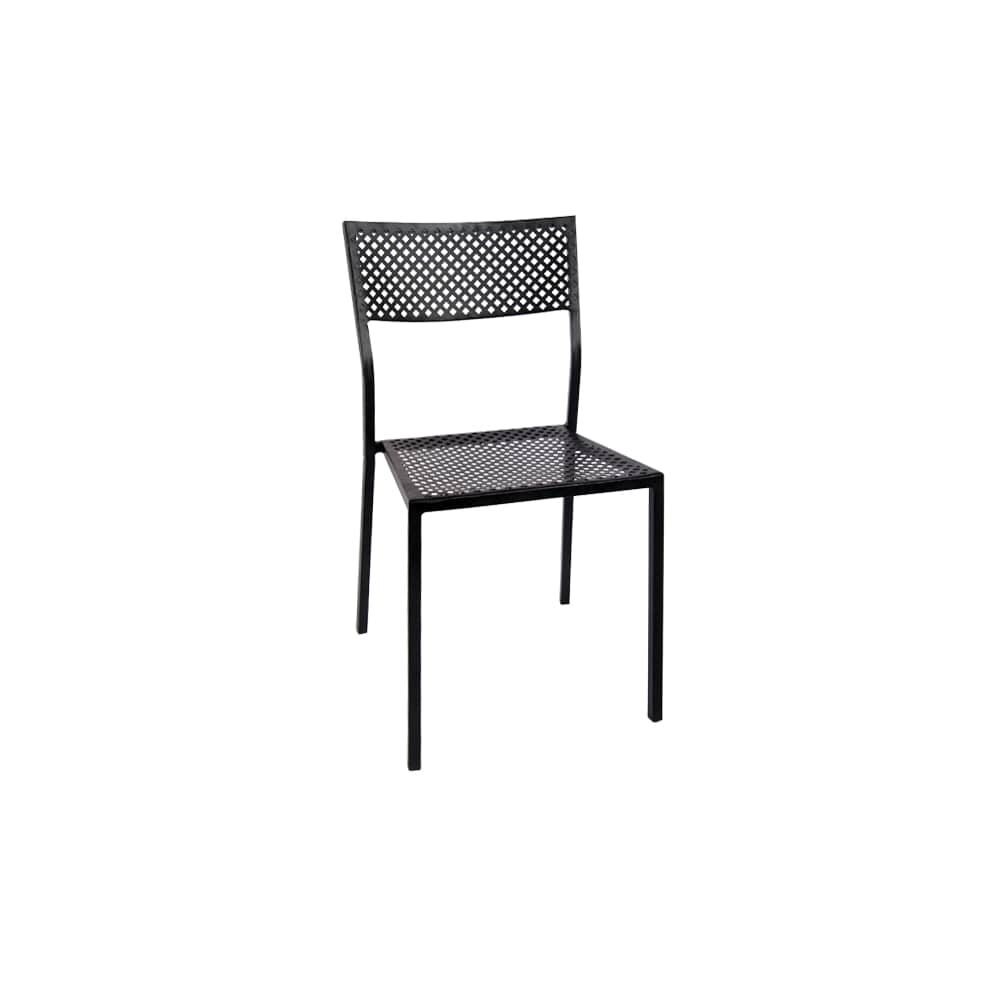
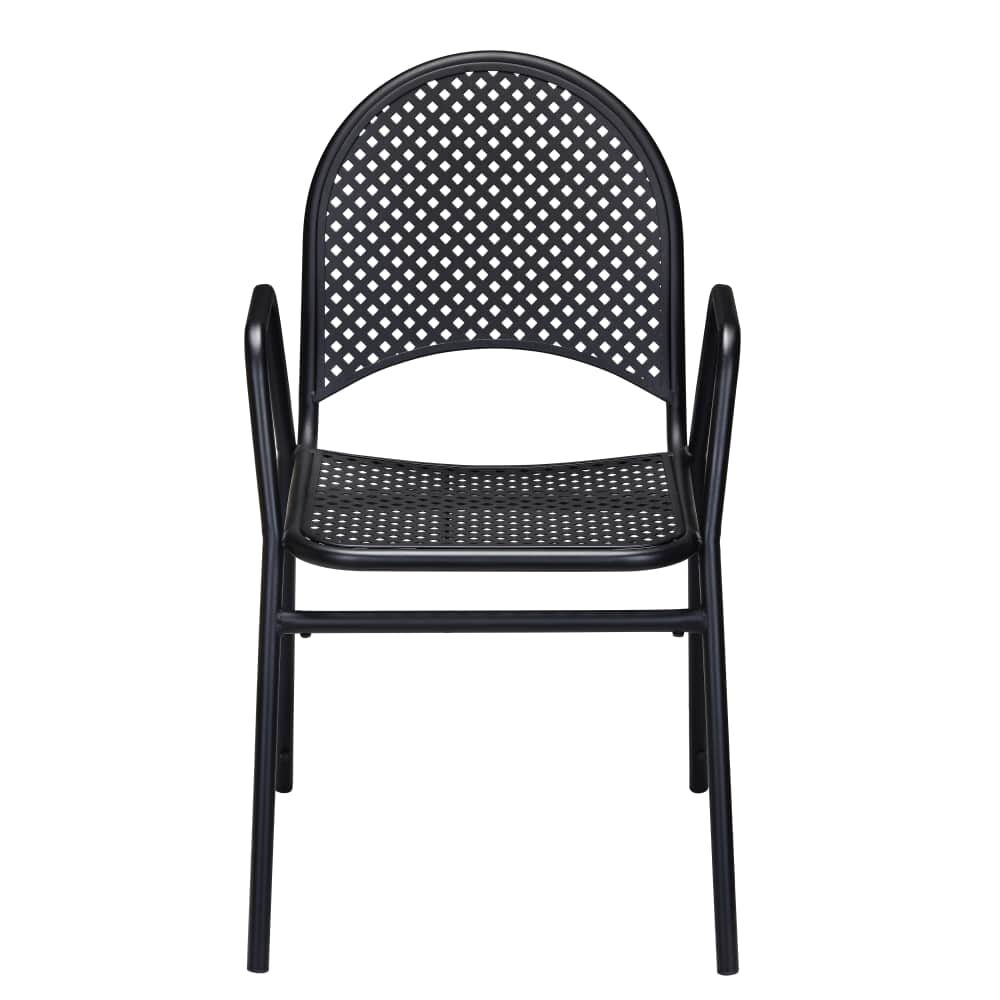
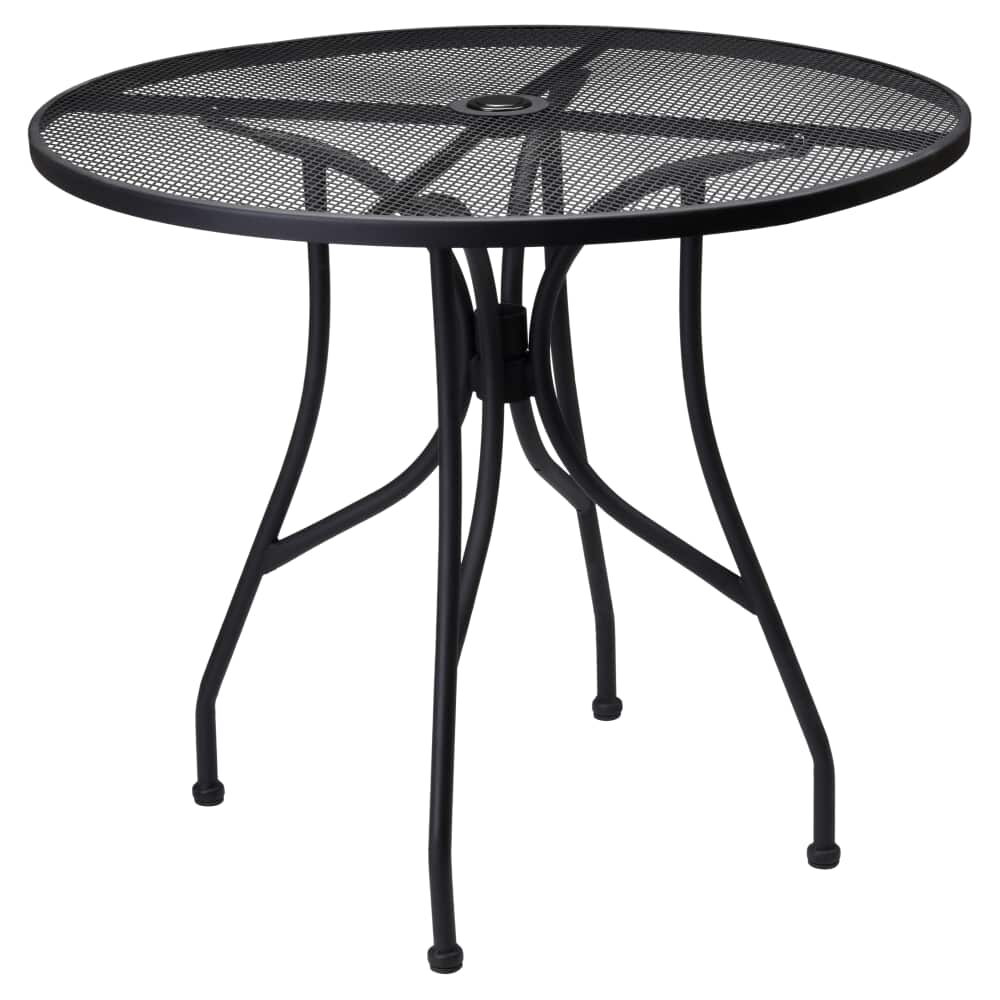
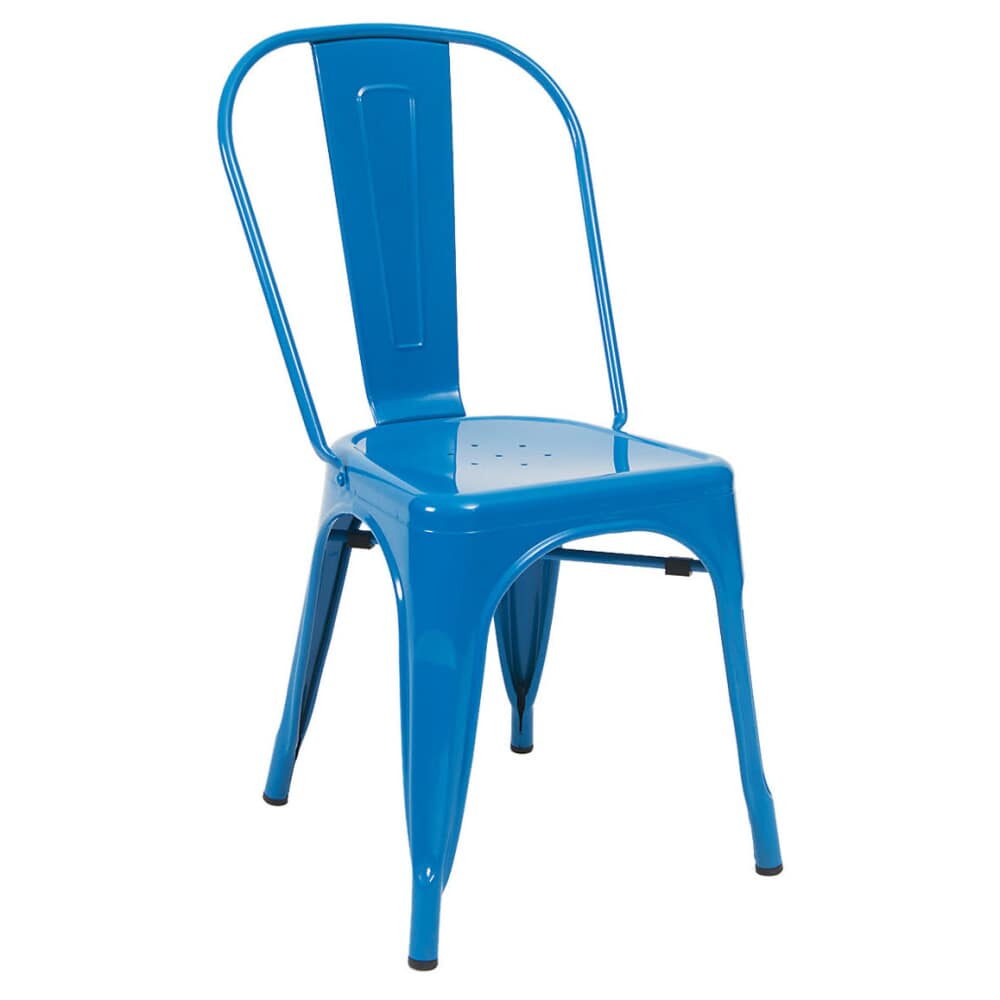
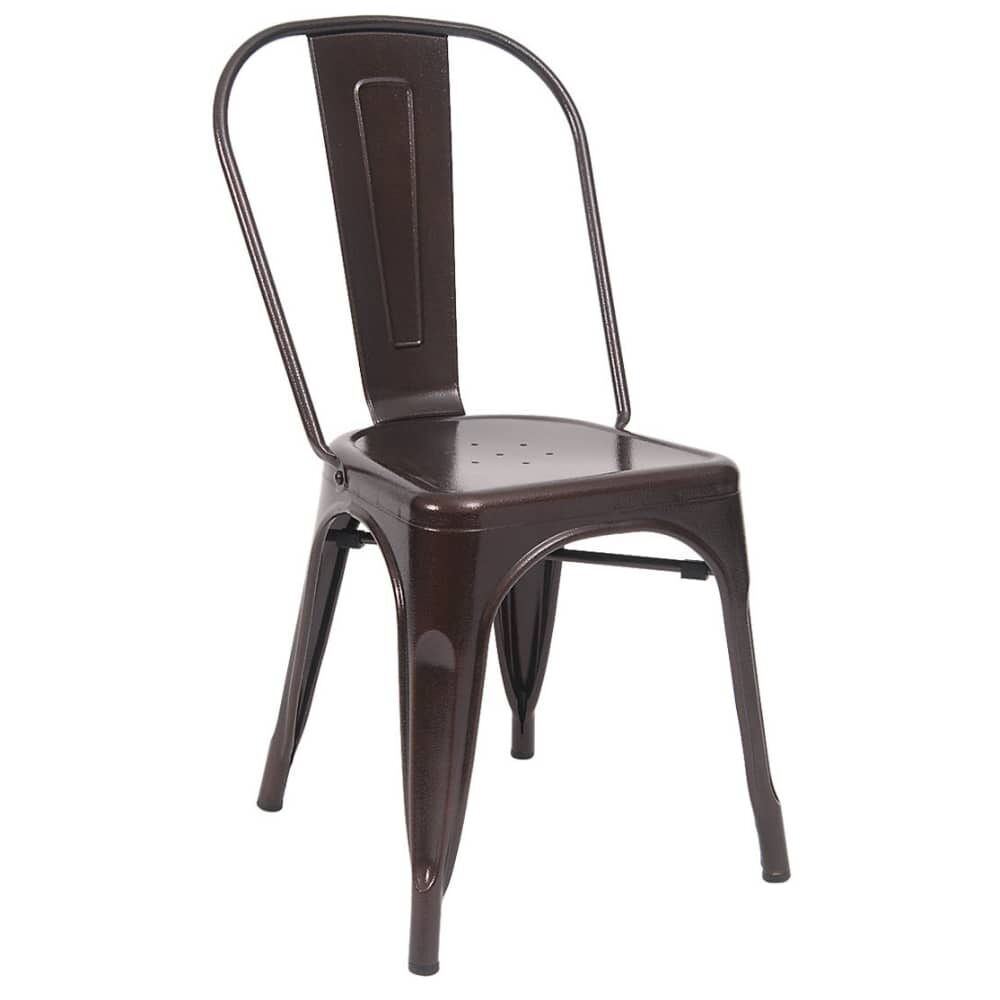
Metal gives a patio its line. Slim aluminum frames read light and modern, and they won't rust, which matters on a terrace that catches sea air. Steel is denser and often costs less per chair. Its finish carries the look, and a chip in it has to be touched up before rust appears. The aluminum and steel patio chairs run from mesh backs and ladder-backs to bistro-style chairs in pink, yellow, ice blue, and distressed green. A metal patio never has to feel industrial unless you want it to.
Resin, faux teak, and woven synthetics
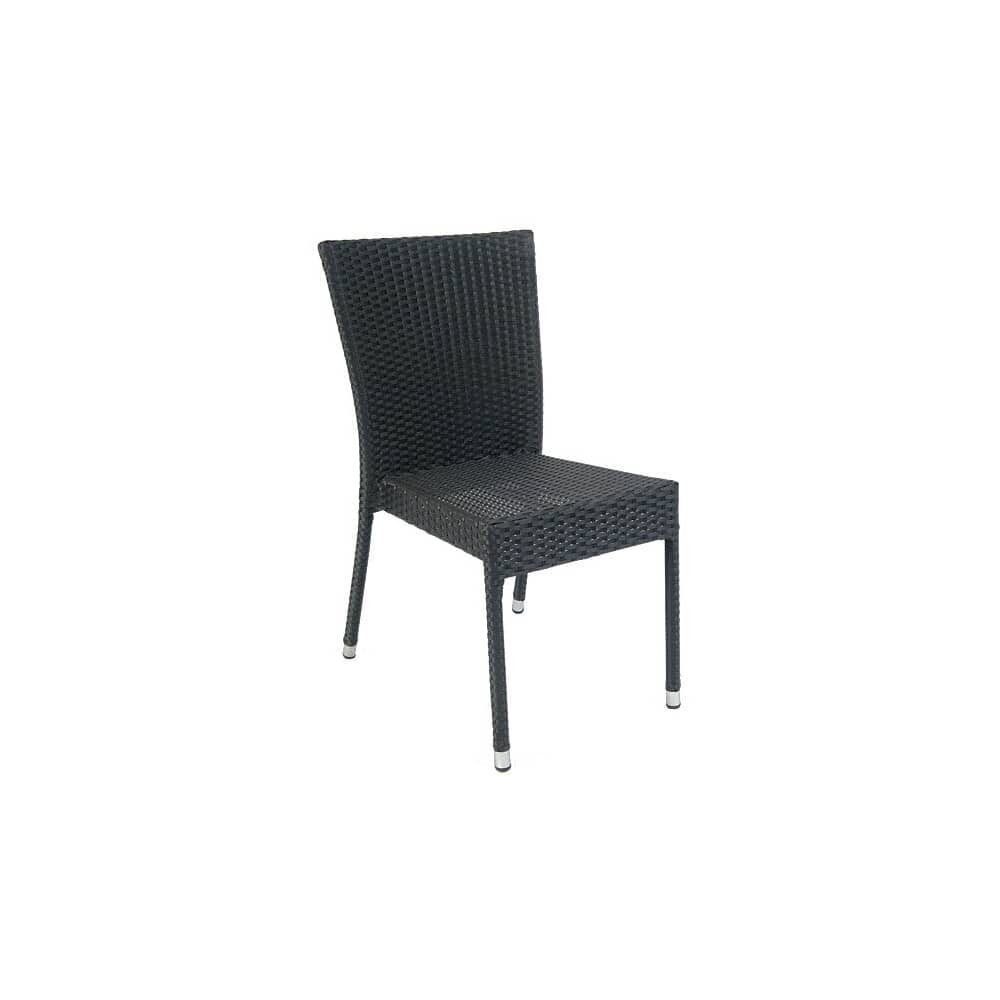
Resin is the forgiving choice. It's light, it cleans with soap and water, and resin patio tables sit alongside resin chairs that share their shapes. Faux teak brings the warmth of wood to a seat that never needs oil, and it looks at home against black, gray, or white aluminum. Synthetic rattan carries the most texture of all. The faux rattan patio chairs and French bistro chairs weave two-tone patterns such as black and white or red and cream over bamboo-look aluminum. You get the Paris sidewalk feel without the care that natural cane demands.
Prefer real wood? The teak patio tables use teak tops, and like any wood surface outdoors they'll swell and shrink a little as the humidity changes.
Color in full sun
Dark finishes photograph beautifully and get hot by July. A black metal seat or a deep walnut faux teak slat can soak up enough afternoon heat to make a guest flinch, while gray, white, and natural tones stay kinder to bare legs. Strong sun softens color over the years, too, so pick a tone you'll still like once it fades half a shade. Under a roof you have more freedom, and rich colors and woven seats keep their depth much longer there.
Faux teak alone gives you a small palette to play with. Here it comes in natural, dark walnut, gray, and black, set against black, gray, white, or rust-colored frames. Natural slats on gray aluminum feel sunny and coastal. Dark walnut on black reads closer to an evening cocktail terrace.
Proportions that feel generous
A patio feels relaxed when nobody's chair bumps the next table. Allow about 24 inches of edge for every guest, 18 at the tightest, and keep 36 inches clear where servers walk. Seats of 17 to 19 inches belong at 29- to 30-inch dining tables, and the listed heights on our patio chairs fall inside that band, from 17 up to 18 1/2 inches. Knees stay comfortable with 10 to 12 inches of air between the seat and the tabletop's underside. Under a round top, the base should spread at least two thirds of the diameter; outdoor table bases come in steel, stainless steel, aluminum, and chrome at standard and bar heights.
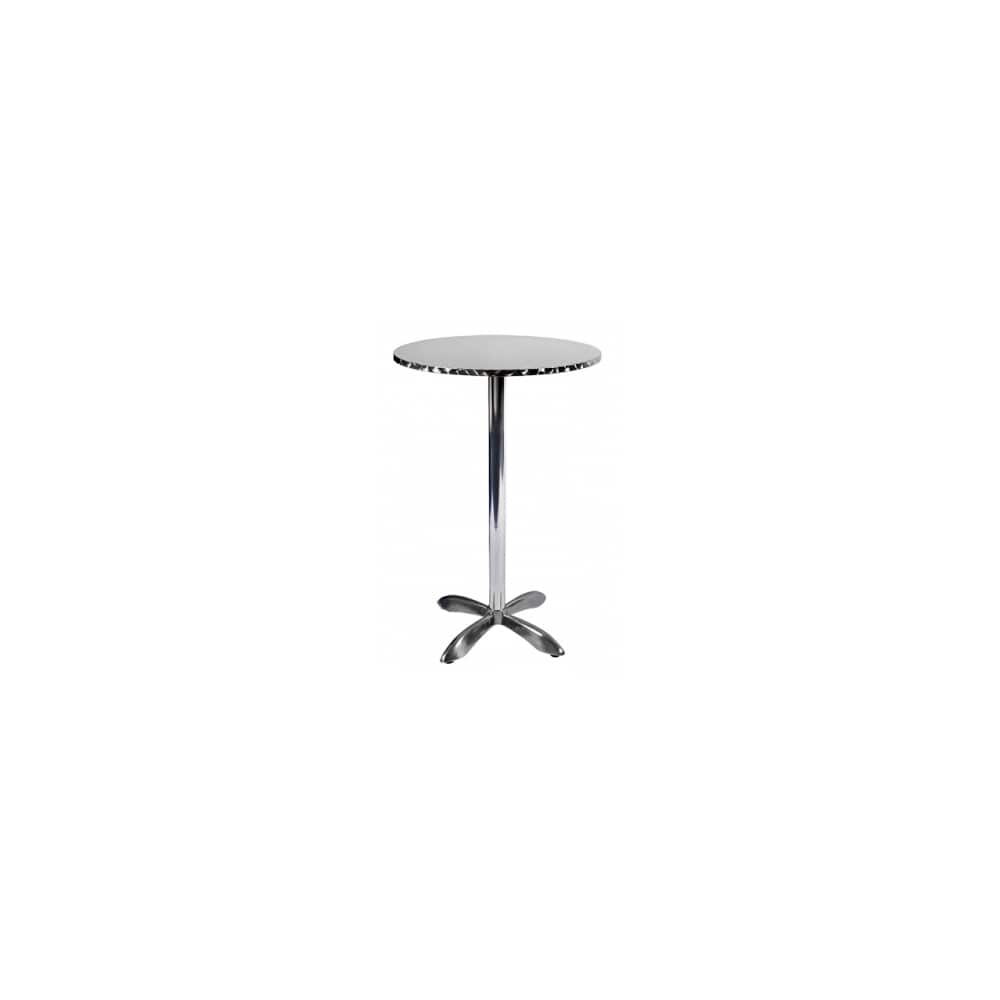
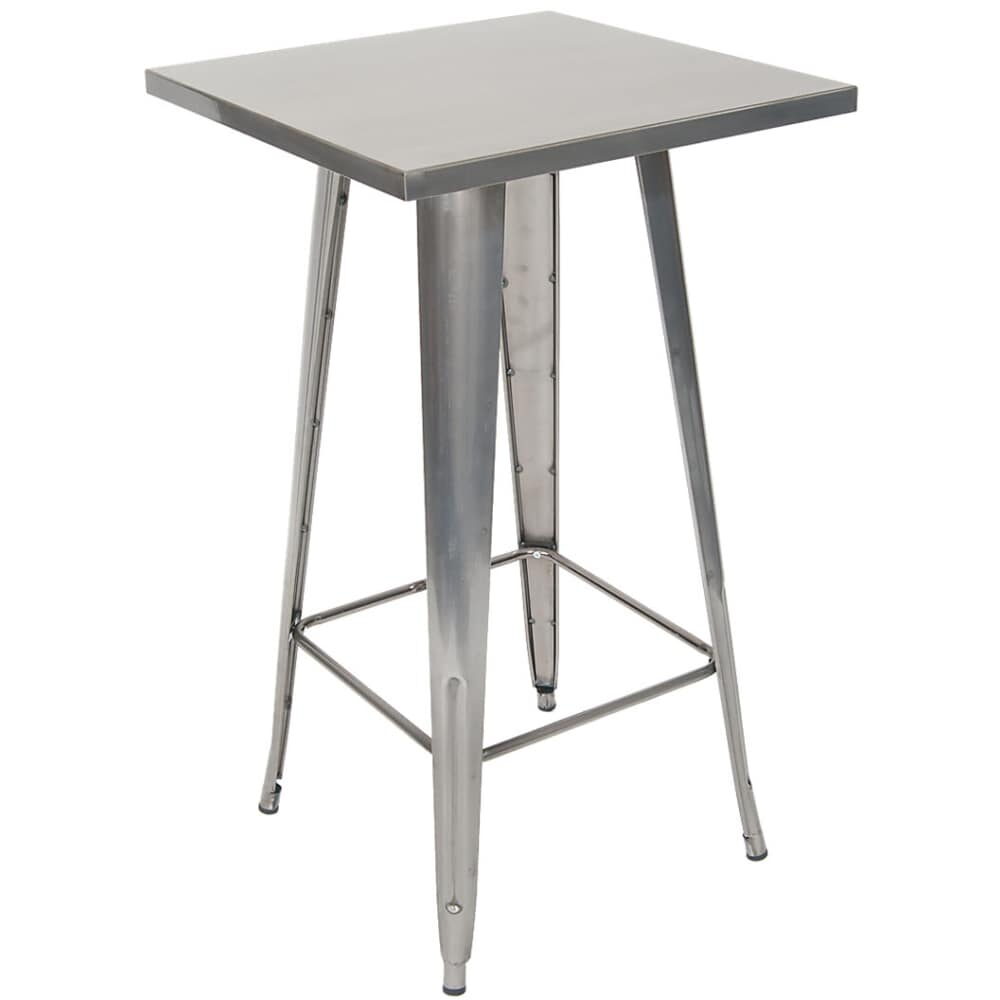
High-tops change the sightlines. A 41- to 42-inch table with stools of 29 to 31 inches puts guests at eye level with people walking by, which suits a lively sidewalk frontage, while dining height feels calmer in a courtyard. Bar-height patio tables in the same aluminum, faux teak, and resin families let the rail side echo the dining area instead of competing with it.
Shade and the table plan
Shade shapes an outdoor room as much as any wall does. Patio tables with an umbrella hole keep a canopy centered over each party, and the Carlo and round table-umbrella bases among the outdoor table bases carry the pole through the top, so the walkway stays clear. A canopy's color tints everything beneath it, so choose it with the tabletops in view, and use the base size the umbrella's instructions name.
Care through the seasons
Finishes stay handsome with very little effort as long as you do it often. Rinse off pollen and grit weekly, wash resin and faux teak with mild soap, and dry metal joints after a storm. Touch up chips in steel promptly. Fabric seats need their cleaning code read before anything stronger than water touches them. When the season ends, stack whatever is listed as stackable, cover what stays out, and bring woven pieces under cover. Slatted and perforated seats drain quickly, so they're ready for guests sooner after a shower. Woven seats and faux teak slats both hide light dust well, but a soft brush pulls grit out of the weave before it can wear at the strands.
Carrying the dining room outside
The patios people remember look like a continuation of the room inside. Pieces listed for both settings help. The indoor and outdoor seating group covers chairs in silver or distressed black metal, white aluminum with gray faux teak, and a resin club chair. Repeat one element from the dining room, a black frame or a wood tone, and the patio will read as part of the same restaurant. Give a pair of club chairs a corner of their own, set back from the dining tables, so the two moods don't blur. The materials guide explains how each finish ages over time.
Related reading