The furniture edit
Restaurant tables
A dining room takes its scale from the tables. Round tops soften a space, long plank tables pull it together, and tall bar tables lift the eye. Browse 85 restaurant tables in solid wood, laminate, resin, stainless, and patio-ready metal, then set each surface and base beside your chairs so the finishes feel chosen rather than collected.
85pieces to explore
Explore restaurant tables
Jump to products ↓


Outdoor
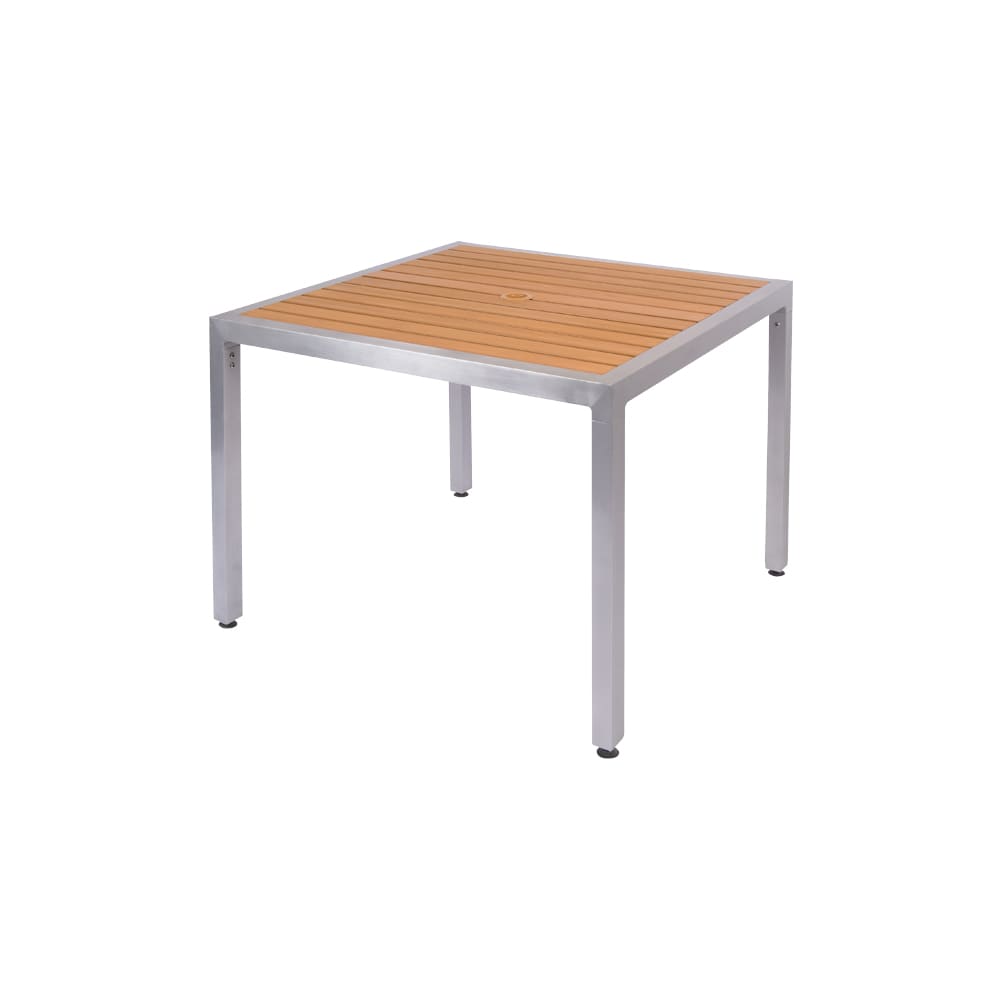
Aluminum Patio Table in Rust Color Finish with Faux Teak Slats
Price $356.00Explore this piece





A table sets the scale of the room
Walk into a room lined with 30-inch squares and it feels orderly, maybe a touch stiff. Swap a few for rounds and the same floor relaxes. That's the first decision, ahead of any finish: which shapes, in what proportion, and where they sit.
Rounds suit corners and open floor where guests approach from every side, and a 36-inch round seats four in a way that feels sociable rather than cramped. Squares and rectangles line up along banquettes and windows, and they join for larger parties. A long communal restaurant table can anchor an open plan the way a hearth anchors a living room. Plan about 24 inches of edge per guest and roughly 36 inches of clear aisle between occupied chairs, and the proportions read generous without wasting floor. Leave room for movement too: servers need to pass, guests need to push back a chair, and a room packed edge to edge feels anxious however lovely the finishes are.
Reading the surface
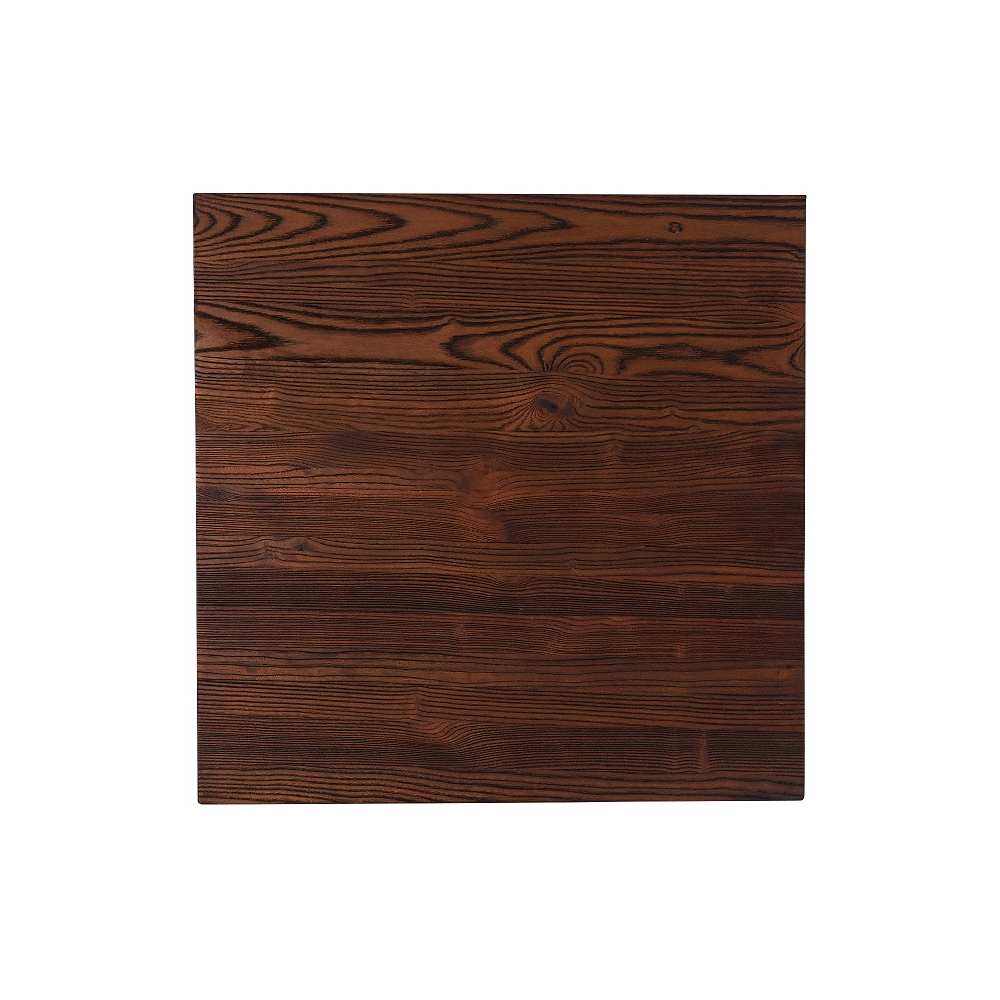
Because the top is the most touched thing in the room, its material carries the mood. Solid wood is the warmest choice, and about 20 tables here list a solid wood top, from plank to butcher block. It moves a little with humidity and wears in rather than wearing out, which suits farmhouse kitchens, steakhouses, and neighborhood bistros. Laminate gives pattern and color with almost no upkeep, including reversible tops that turn from black to mahogany or from oak to walnut. Resin passes convincingly for marble, terrazzo, or walnut and holds up outdoors. Stainless steel looks clean and slightly industrial, a good foil for a raw brick wall.
To study a surface on its own, the wood table tops and granite and stone table tops show the range up close.
Light, color and touch
Judge a top under your own lighting before you decide. A walnut that glows beneath warm pendants can turn muddy in cool daylight from a storefront window, and a white marble-look surface can glare at lunch. Touch matters as much as sight. Wood and resin feel warm under bare forearms, while steel and stone feel cool, pleasant on a summer patio and less so in a drafty winter room.
Sheen changes the upkeep you'll notice. Gloss shows fingerprints and plate marks within minutes, whereas matte and textured faces hide them between wipes. And if the room leans dark, a lighter top brightens the plates and the food on them without touching the lighting plan.
The base is half the silhouette
From across the room, guests see the base before they notice the top. A slim X-prong reads light and modern. A cast-iron column on a stepped foot feels traditional. Gold or chrome catches light the way a pendant does. Set the base beside your chair legs: black iron next to black steel frames looks intentional, while three unrelated metals in one sightline look accidental.
Stability shapes the feel of a meal too. Under a round top, the base should reach out to at least two thirds of the top's width, about 28 inches beneath a 42-inch round. Then a guest leaning on one elbow never tips the wine. Browse restaurant table bases by footprint and finish, and turn to decorative table bases when the base should be part of the design.
Heights that keep conversation level
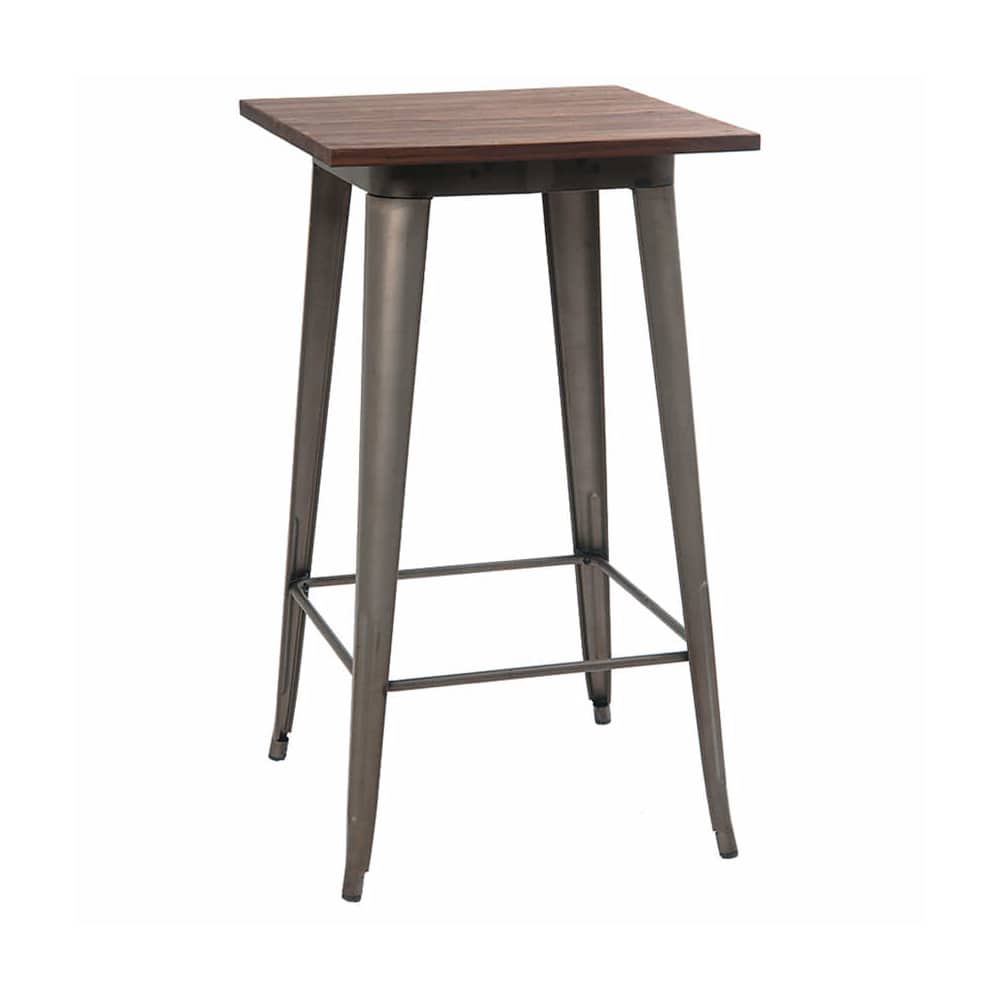
Mixed heights add rhythm, provided each table meets its seat. Dining tables at 29 to 30 inches pair with chair seats at 17 to 19 inches. Counter tables at 36 inches take 24 to 26 inch stools, and bar tables at 41 to 42 inches take stools of 29 to 31 inches. With 10 to 12 inches between seat and tabletop underside, guests sit comfortably at every level.
A band of bar-height restaurant tables near the bar lifts the energy, while dining height keeps the center of the room calm. Choose restaurant chairs and bar stools in one frame finish across both heights, and the levels still read as a single room. In a small space, keep the tall tables to one wall so they don't block the view across the floor.
Long tables, booth tables and pieces that fold away
Some tables have a narrower job. Solid wood communal tables bring strangers to one surface and suit cafes, beer halls, and brunch rooms. Backless stools along one keep sightlines open, while upholstered chairs make the same table feel like a dinner party. Restaurant booth tables sit between banquette seats, where a warm wood top softens a wall of upholstery. Folding tables in wood grain, metal, or granite-look plastic come out for private events and fold away after. And when you'd rather not pair parts yourself, complete restaurant tables arrive with top and base chosen together.
Bringing the dining room outside
A patio feels like part of the restaurant when its tables echo the inside. Forty-two tables here are listed for both indoor and patio use, and another 11 for patio service alone, in materials such as aluminum, synthetic teak, and resin. Keep the palette related: a teak-look top outdoors can answer the walnut inside, and a black aluminum frame can repeat the iron bases in the dining room. Shade shapes a terrace as much as the furniture does, and patio tables with an umbrella hole keep the canopy centered over each party instead of on a stand beside it. Outdoor furniture still needs drainage, UV resistance, and rust protection, and it lasts longer under covers or in storage when the season closes.
Caring for finishes so they age well
Wood tops prefer a damp cloth and a cleaner suited to the finish; harsh sanitizer and standing water dull them over time. Laminate and resin take routine wiping. Powder-coated bases stay sharp if you touch up chips before rust starts. Glides wear faster than anyone expects on tile, so replace them when a table first rocks, before bare metal marks the floor. Pin the finishes you choose to a Finish board beside your chairs and fabrics, and read the material and care notes before you settle the palette.
Related reading