The room journal
Replacing restaurant table tops while keeping the bases
Replacing restaurant table tops can change the room without replacing every visible base. It can also expose a mismatch that was hidden by the previous assembly. The retained base must suit the new top's dimensions, weight, mounting, and use, while remaining in appropriate condition itself.
Begin by identifying what is actually staying. A familiar black pedestal may look generic, but its model, plate, column, feet, and height determine the review. Keeping those details precise turns a surface refresh into a defined furniture project instead of a collection of guessed attachments.
Open diagram at full size (new tab) ↗
Identify the base as an assembly
Locate the original model or order record where possible, then compare it with the base in the room. Confirm the actual configuration, including the size and height. A base family can contain several versions whose photographs appear similar.
The FRU-TB-RND-TABLE base, for example, offers 17-inch, 22-inch, and 30-inch round sizes. Its record lists cast iron, indoor use, and a 28-inch height. Naming the family alone would leave an important size choice unresolved.
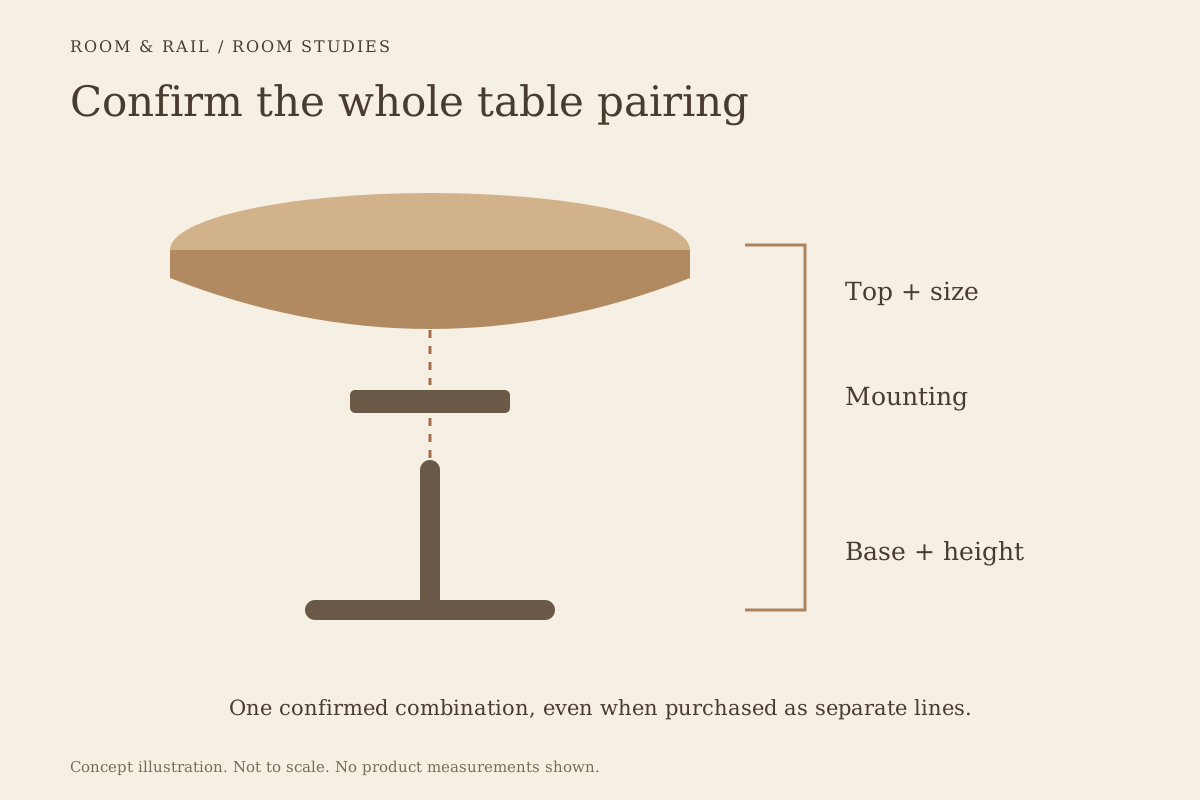
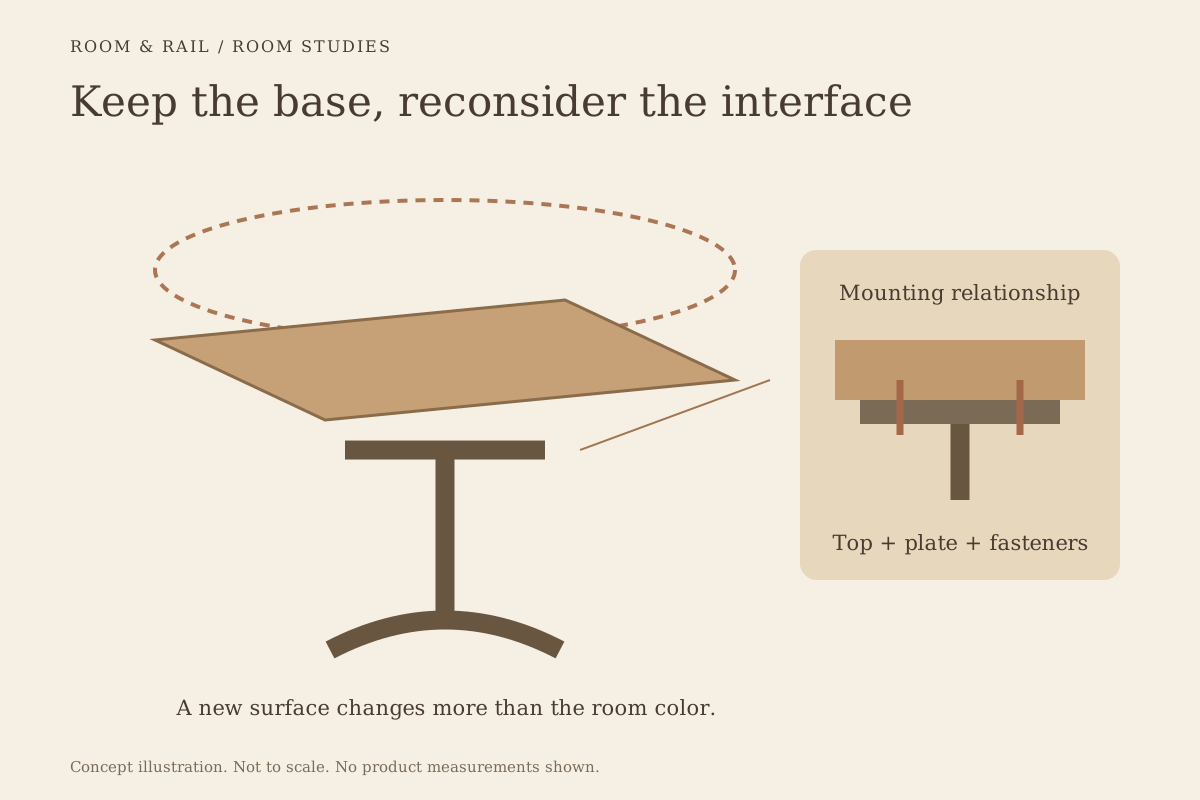
The table-system guide treats the mounting interface as part of the product. Retain the plate and attachment details as well as the base's floor outline. The new top must work with the supporting assembly, not only resemble the surface that was removed.
Assess the retained condition before choosing the surface
Review the base and its connections through the applicable inspection process. A loose column, damaged plate, missing foot, or other concern should be resolved before a new top is installed. The expense of a new surface should not conceal an old support problem.
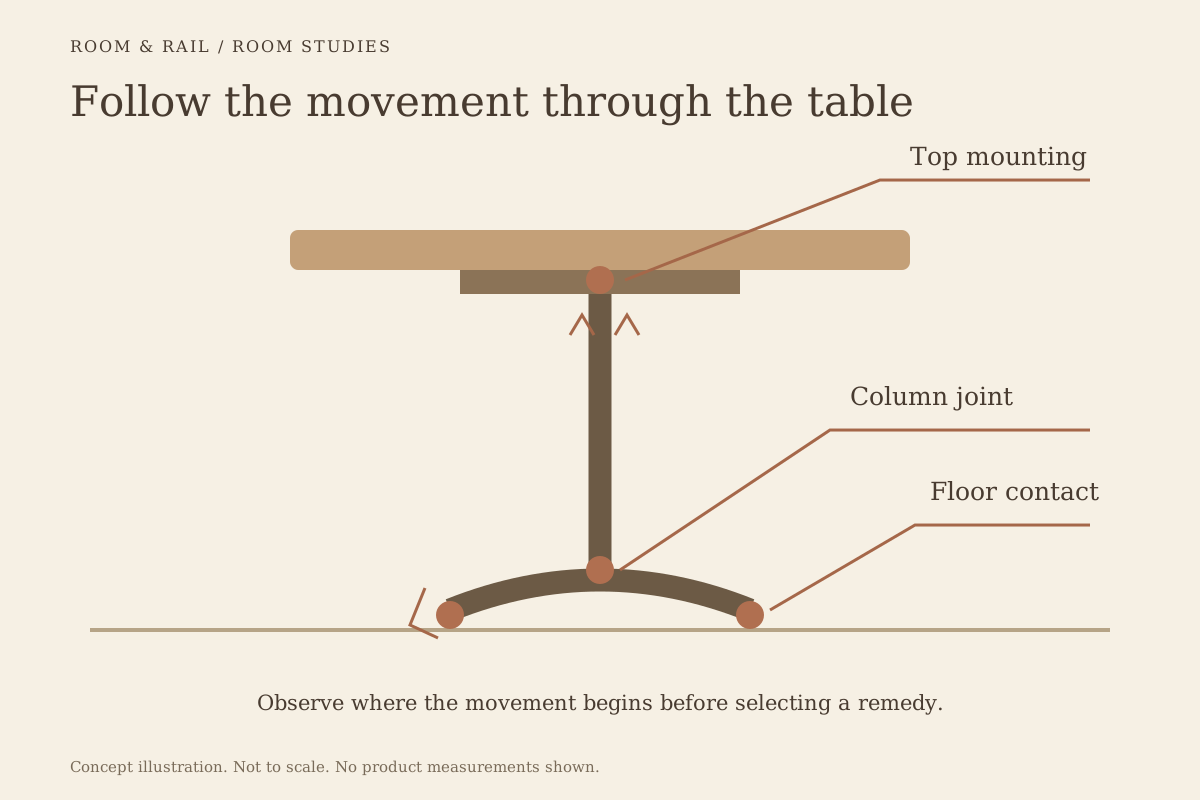
The table-wobble article separates floor contact from movement in the assembly. That distinction matters here because replacing the top will not necessarily correct rocking at the floor or looseness in a column connection.
If several bases are being reused, identify differences among them. One may have a replaced glide or a different plate despite sharing the same finish. A room-wide order should not assume every base matches the best-documented example unless that has been checked.
Compare size, shape, and weight together
A new top can have the same width as the old one but a different shape or material. That changes the surface perimeter and may change its weight or distribution. The base manufacturer's approved pairing information should address the actual new configuration.
The round-versus-square study shows why nominal width is an incomplete comparison. A 30-inch round and a 30-inch square occupy different areas within the same bounding box. Neither is automatically suitable simply because the old top also measured 30 inches across.
The laminate-and-wood guide adds construction to that question. Do not estimate a top's weight from its appearance or assume that a thinner-looking surface is always lighter. Obtain the information needed for the specific size and material under consideration.
Check the finished height with the new thickness
Base height and completed table height are different measurements. The top and any mounting arrangement contribute to the final assembly. A change in thickness can alter the relationship to the existing chairs even when the base remains the same.
The FRU-LAE-SFCH laminate top lists a 1 1/4-inch thickness. The FRU-SW-BB solid wood top lists 1 1/2 inches. Their nominal thickness difference is 1/4 inch, but the complete mounted height must be established from the approved assembly rather than those two numbers alone.
The chair comfort-review guide can help evaluate the actual table-and-seat relationship. Include the underside and any apron or mounting obstruction. A new surface that looks right from above may change the space available below.
Confirm the attachment without copying old holes
Existing holes show where a previous top was attached; they do not prove the correct pattern for a new top. The material, thickness, approved fasteners, and mounting method may differ. The new surface needs its own instructions and compatibility confirmation.
For solid wood, the movement guide explains why the connection must suit the top's construction. A mounting arrangement that restrains a new wood top incorrectly can create another problem. Adding screws wherever the plate happens to reach is not a substitute for the approved method.
Keep installation work within the applicable instructions and qualified scope. The buying decision should supply the correct components and information before work begins. It should not require an installer to invent an attachment because the product names were considered close enough.
Review the seating positions around the retained base
The new top may overhang the same base differently. A changed shape or orientation can place a base foot near another seating position, even if the base itself is unmoved. Draw the actual combination with the selected chairs and the ordinary meal setting.
The base-footroom article considers those lower-level relationships. A larger surface can create the impression of additional places while the support remains in the way of the proposed guests. Surface area and usable seating are separate questions.
If tables are combined for parties, use the flexible-table guide to review the joined arrangement as well. New edges or thicknesses may change the seam between tops. Keeping the same bases does not guarantee that the combined setting remains equivalent.
Make the new finish work with the retained furniture
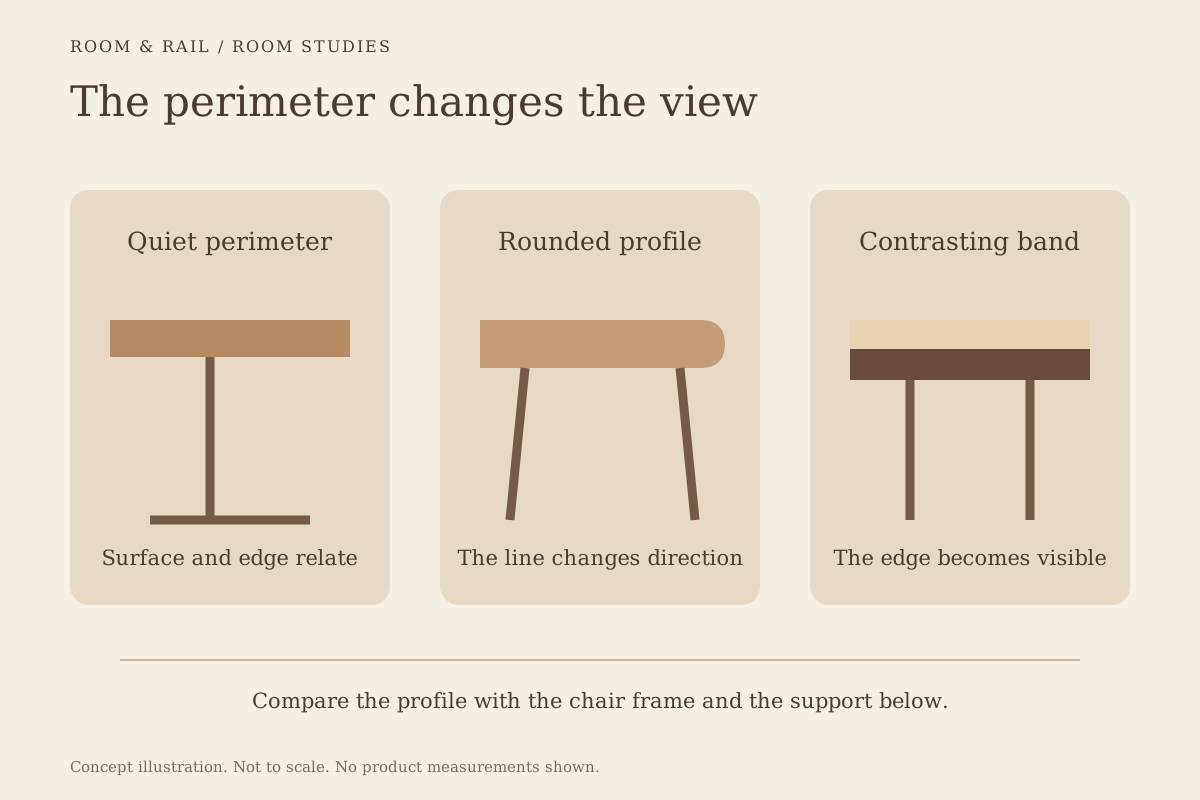
A reused base already has a color, surface condition, and visual weight. Compare the proposed top against it directly. A fresh pale surface may make an aged dark base more prominent; a thick contrasting edge may create a stronger horizontal line than the previous top.
The table-edge study helps evaluate that perimeter. Keep a sample of the actual edge treatment with the top reference, because the edge is often what appears beside the chair back or booth upholstery from a seated view.
Use the finish-sample method with the existing chairs and floor. A tabletop refresh can change the balance of the whole room even when every other furniture piece remains. The objective should be a deliberate new relationship, not merely the closest available color to the old top.
Compare the complete refurbishment scope
Price the selected tops, any approved mounting components, labor, transport, and other applicable charges. Include required work on the retained bases rather than treating it as free because the furniture is already owned. Compare that scope with complete replacement tables if the condition or compatibility work is substantial.
Follow the buying workflow and retain the assumptions and quantities in your purchasing record. Starting prices are useful for browsing, but the decision needs the actual sizes and options. A low tabletop price should not decide the project before the support and installation questions are resolved.
Keep the retained base only when the pairing is clear
Save the final top and retained-base identity together in the finish board, with the room group and quantity. Keep the approved installation information in the project record so the next replacement does not begin with the same uncertainty.
A surface refresh works best when it treats the existing furniture as a known assembly. The result can preserve a useful base and give the room a distinct new appearance. That benefit depends on a confirmed pairing, suitable condition, and a complete scope of work, not on the assumption that every tabletop fits every pedestal.